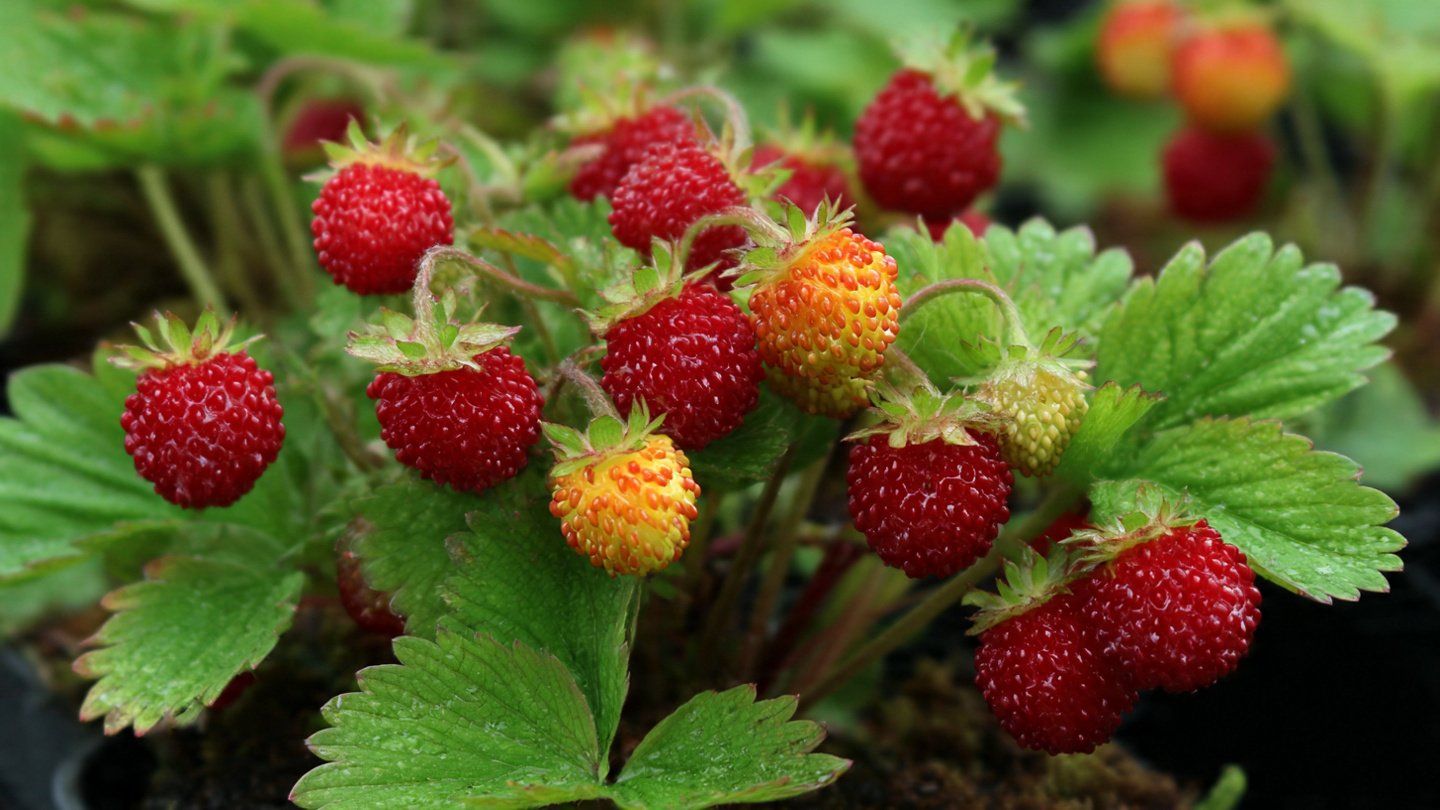
Alpine strawberries, also known as Fragaria vesca, are a delightful and hardy variety of strawberries known for their small, sweet fruit and resilient nature. They thrive in various climates, especially in colder regions, making them an ideal choice for gardeners looking to grow strawberries year-round. This article will guide you through the benefits of growing Alpine strawberries, the steps to cultivate them successfully in cold climates, and how to harvest them for a bountiful year-round yield.
Understanding Alpine Strawberries
Alpine strawberries are a perennial plant that can bloom and produce fruit continuously throughout their growing season. Here are some features that make them special:
- Resilience: These strawberries can withstand frost and cold temperatures, making them suitable for northern regions.
- Small but Sweet: Their petite size does not diminish their flavor; they are often described as sweeter than larger varieties.
- Low Maintenance: Alpine strawberries require less care compared to traditional strawberries, making them a perfect choice for busy gardeners or beginners.
Benefits of Growing Alpine Strawberries
- Year-Round Harvests: With the right techniques, you can continuously harvest strawberries throughout spring and summer, and even into fall in milder conditions.
- Space Saving: They do not spread as much as other strawberry varieties, making them suitable for limited garden spaces.
- Nutritional Value: Rich in vitamins, minerals, and antioxidants, they are a healthy addition to your diet.
Preparing for Success
Before planting, it’s crucial to prepare the gardening environment and select suitable varieties of Alpine strawberries.
Selecting Varieties
Common varieties include:
- Mignonette: Known for its delightful flavor and petite size.
- Alexandria: Larger fruit with a rich flavor, ideal for colder areas.
- Yellow Wonder: Unique yellow fruits with a sweet taste, adding diversity to your harvest.
Soil Preparation
Alpine strawberries flourish in well-drained, loamy soil rich in organic matter. Follow these steps for soil preparation:
- Testing the Soil: Conduct a soil test to check pH levels. Alpine strawberries prefer a slightly acidic to neutral pH (5.5 to 7.0).
- Amending the Soil: Based on test results, you may need to amend the soil with lime to raise pH or sulfur to lower it. Incorporating compost or well-rotted manure can improve soil fertility and structure.
- Tilling the Soil: Till the soil to a depth of at least 12 inches to aerate it and improve drainage.
Choosing the Right Location
Alpine strawberries thrive in full sun, so select a location that receives at least 6 to 8 hours of sunlight each day. Ensure the site is protected from strong winds that may damage the plants.
Planting Alpine Strawberries
Timing
The best time to plant Alpine strawberries is in early spring after the last frost, or in the fall for a late harvest. If planting in spring, ensure that the soil temperature is at least 60°F (15°C) for optimal growth.
Planting Process
- Spacing: Space plants 12 to 18 inches apart in rows 24 inches apart. This spacing allows air circulation and reduces the risk of disease.
- Depth: Dig holes deep enough to accommodate the root system without bending the roots. The crown of the plant should be level with the soil surface.
- Watering: After planting, water the strawberries thoroughly to help settle the soil around the roots.
Mulching
Applying a 2- to 3-inch layer of mulch (such as straw or shredded leaves) helps retain soil moisture, suppresses weeds, and maintains a stable soil temperature.
Caring for Alpine Strawberries
Watering
Alpine strawberries require consistent moisture, especially during flowering and fruit development. Water them weekly, more frequently during dry spells. Avoid overhead watering to prevent fungal diseases.
Fertilization
Lightly fertilize with a balanced, slow-release fertilizer in the early spring. Avoid over-fertilizing, as it can lead to excessive leaf growth at the expense of fruit production.
Pruning
Prune dead or damaged leaves regularly to promote air circulation and reduce disease risk. After the fruiting season, cut back any worn-out foliage to encourage new growth.
Pest and Disease Management
Alpine strawberries are relatively pest-resistant, but keep an eye out for:
- Slugs and Snails: Hand-picking or using organic traps can control these pests.
- Powdery Mildew: Improve air circulation and avoid overhead watering to prevent this fungal disease.
- Birds: Netting may be necessary to protect ripening fruit.
Harvesting Techniques
Alpine strawberries often bear fruit during the growing season and can provide multiple harvests. Here’s how to maximize your yield:
When to Harvest
- Timing: Strawberries are ripe when they are fully colored, fragrant, and slightly soft to the touch. Pick them in the morning for the best flavor and freshness.
How to Harvest
- Careful Picking: Use scissors or shears to cut the fruit from the stem, leaving a small portion attached to prevent crushing.
- Handle Gently: Strawberries are fragile; handle them with care to avoid bruising.
Year-Round Cultivation Techniques
Winter Care
In colder climates, Alpine strawberries can survive winter, but additional protection will help them thrive.
- Mulching: A thick layer of mulch before the first frost will insulate the roots and prevent freeze-thaw cycles that can damage them.
- Row Covers: Using row covers can provide additional warmth during extreme cold.
Indoor Growing
Consider growing Alpine strawberries indoors or in a greenhouse during colder months:
- Selecting Containers: Use pots with drainage holes to prevent overwatering.
- Lighting: Providing supplemental lighting for at least 12 hours a day can mimic growing conditions.
- Temperature Control: Maintain a stable indoor temperature around 60°F to 75°F (16°C to 24°C).
Hydroponics
If you’re interested in modern gardening techniques, growing Alpine strawberries hydroponically is a viable option. This method allows for year-round growth and provides specific control over nutrients and water.
Frequently Asked Questions (FAQs)
- Can Alpine strawberries survive in winter?
Yes, Alpine strawberries are hardy and can survive winter in cold climates with proper care such as mulching and protection from extreme weather. - How long does it take for Alpine strawberries to bear fruit?
Alpine strawberries typically begin to produce fruit within 4 to 6 weeks after planting. - Are Alpine strawberries ever invasive?
No, they are less invasive than other strawberry varieties, making them suitable for smaller gardens. - What are the best companions for Alpine strawberries?
Good companions include spinach, lettuce, and herbs like basil or thyme, which can thrive alongside them without competing for nutrients. - How often should I water Alpine strawberries?
Water them once a week during dry spells, ensuring the soil does not dry out completely. - Do Alpine strawberries require fertilization?
Yes, light fertilization in early spring can stimulate growth, but avoid over-fertilizing. - Can I grow Alpine strawberries in containers?
Absolutely! They grow well in containers, making them perfect for small spaces.
Conclusion
Growing Alpine strawberries in cold climates is not only possible; it’s incredibly rewarding. With their delightful flavor, hearty nature, and low-maintenance requirements, these strawberries can thrive in challenging conditions. By following the steps outlined above and employing proper care techniques, you can enjoy a continuous harvest of these tasty treats all year round. Whether you’re a novice gardener or a seasoned pro, Alpine strawberries are a must-try for your garden.