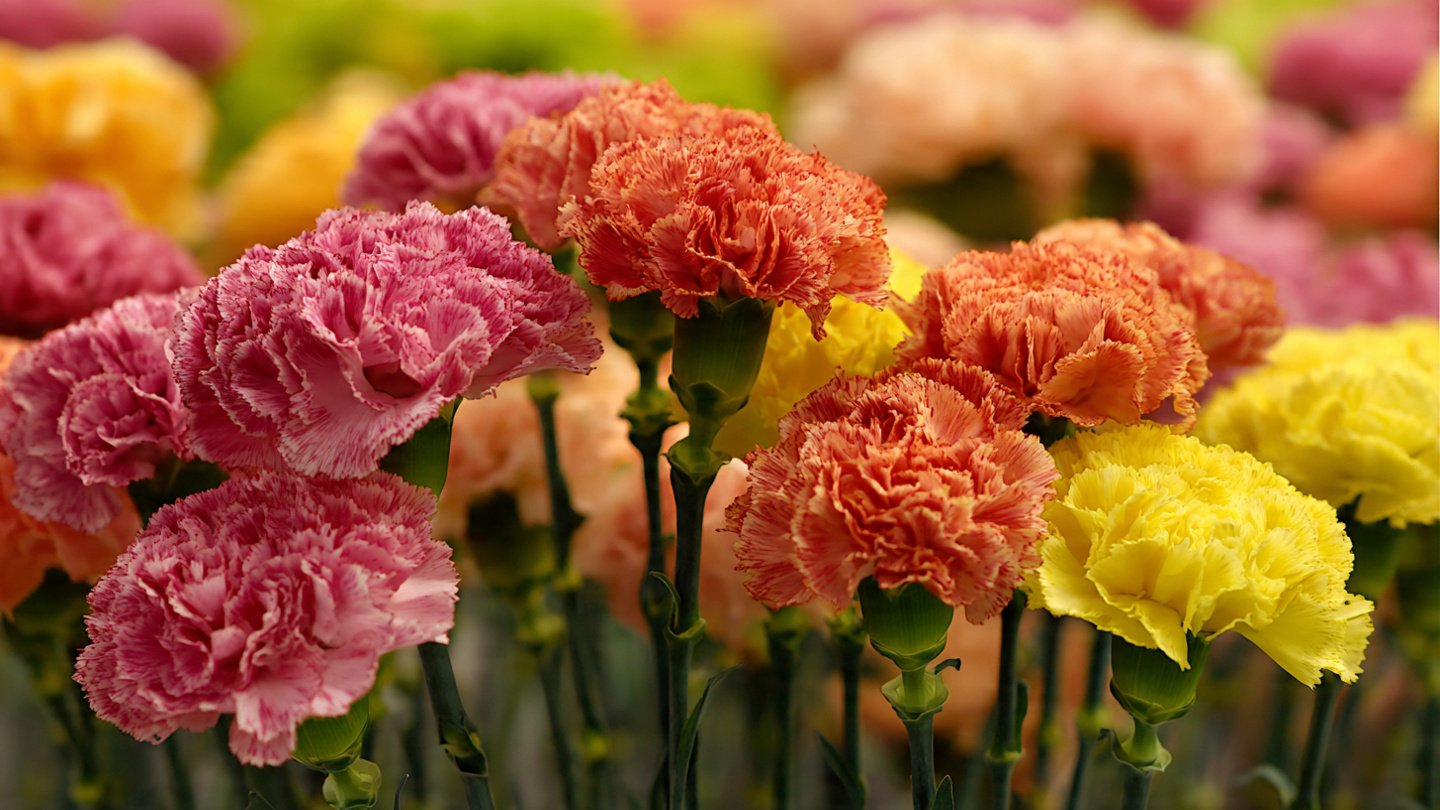
Carnations (Dianthus caryophyllus) are beloved for their delightful fragrance and vibrant colors. Among the various types of carnations, spray carnations (often referred to as spray types) are especially sought after because they produce multiple blooms on each stem, making them perfect for both bouquets and garden displays. This guide will walk you through the essential steps to successfully grow spray carnations in your home garden, ensuring that you enjoy a stunning display of these lovely flowers.
1. Understanding Spray Carnations
What Are Spray Carnations?
Spray carnations are characterized by their clusters of small flowers along a single stem. This gives them a bushy appearance, differentiating them from standard single-stem carnations. They come in various colors, including pink, red, white, and yellow, and are favored for their long-lasting blooms and rich fragrance.
Benefits of Growing Spray Carnations
- Diverse Color Palette: Wide range of colors to choose from.
- Multiple Blooms: Each stem produces several flowers, offering more blooms per plant.
- Fragrance: The scent of carnations is pleasant and can enhance any garden space.
- Longevity: They are hardy and can last long in bouquets.
2. Selecting the Right Location
Sun Requirements
Carnations thrive in full sunlight. Choose a location that receives at least 6 to 8 hours of direct sunlight each day. This helps the plants grow robustly and produce more flowers.
Soil Considerations
Spray carnations prefer well-drained, nutrient-rich soil. The ideal soil pH is between 6.0 and 7.0. You can conduct a soil test to determine acidity and adjust accordingly.
Drainage
Ensure good drainage to prevent root rot. If your garden soil is heavy, consider amending it with compost to improve its structure. Raised garden beds are also a great option for growing carnations.
3. Preparing the Soil
Before planting, prepare the soil by following these steps:
3.1. Clear the Area
Remove any weeds, debris, or old plants from the area where you plan to plant your carnations.
3.2. Amend the Soil
Incorporate organic matter such as compost or well-rotted manure into the soil to improve its fertility.
3.3. Tilling the Soil
Using a garden fork or tiller, mix the amendments into the top 12 inches of soil to ensure that nutrients are well-distributed.
4. Planting Spray Carnations
4.1. Choosing Varieties
When selecting spray carnation varieties, consider factors like climate and desired flower color. Popular varieties include ‘Red Freedom’, ‘Pink Rhapsody’, and ‘White Simplicity’.
4.2. Planting Time
The best time to plant spray carnations is in early spring when the danger of frost has passed. In warmer climates, you can also plant in the fall.
4.3. Spacing and Planting Depth
Plant spray carnations about 12 to 18 inches apart and at a depth of 1 inch, ensuring that the roots are well-covered.
4.4. Watering After Planting
Water the newly planted carnations thoroughly to settle the soil. Ensure that the soil remains consistently moist but not waterlogged.
5. Care and Maintenance
5.1. Watering
During dry periods, water your carnations weekly. As a rule of thumb, spray carnations need about 1 inch of water per week, either from rainfall or supplemental irrigation.
5.2. Fertilizing
Start fertilizing your carnations about a month after planting. Use a balanced fertilizer (like a 10-10-10 NPK) and follow the manufacturer’s instructions for application. Fertilizing every four to six weeks during the growing season will promote healthy growth.
5.3. Pruning and Deadheading
To encourage continuous blooming, regularly deadhead spent flowers. Use sharp scissors or garden shears to cut off spent blooms just above the first set of leaves.
5.4. Pest and Disease Management
Keep an eye out for common pests such as aphids and spider mites. Use insecticidal soap or neem oil for pest control. Ensure good air circulation around the plants to prevent diseases like powdery mildew, which can affect carnations.
6. Harvesting Spray Carnations
6.1. Timing
To harvest spray carnations for indoor arrangements, cut stems in the morning when the flowers are fully open but not yet wilting.
6.2. Technique
Use sharp scissors or shears to cut the stems at an angle and place them immediately in water to keep them hydrated.
6.3. Arranging Cut Flowers
When arranging spray carnations, mix them with other flowers and greenery to create stunning displays. Keep them in a vase with fresh water and a flower preservative to extend their lifespan.
7. Troubleshooting Common Issues
Despite your best efforts, you may encounter some issues while growing spray carnations. Here are a few solutions:
7.1. Poor Flowering
If your carnations fail to bloom, check for insufficient sunlight, lack of nutrients, or overcrowding.
7.2. Wilted Leaves
Wilting could be a sign of underwatering or overwatering. Adjust your watering schedule accordingly.
7.3. Discoloration
Leaves turning yellow may indicate nutrient deficiencies or water stress. Monitor soil moisture and consider using a balanced fertilizer.
8. Seasonal Care
Understanding seasonal changes is crucial for maintaining healthy spray carnations.
8.1. Winter Protection
In colder climates, provide mulching to protect the roots during winter. Cover the plants with frost cloths during extreme cold spells.
8.2. Spring Refresh
As spring approaches, trim back dead foliage and apply fresh mulch to prepare for the growing season.
9. FAQs (Frequently Asked Questions)
Q1: How long do spray carnations bloom?
A1: Spray carnations typically bloom from late spring through fall, with proper care ensuring a long flowering season.
Q2: Can spray carnations grow in containers?
A2: Yes, spray carnations can thrive in containers. Ensure the pot has drainage holes and use a quality potting mix.
Q3: What pests are common on spray carnations?
A3: Common pests include aphids, spider mites, and whiteflies. Regular inspection and using natural pest control methods can help mitigate these issues.
Q4: How do I extend the life of cut spray carnations?
A4: Use sharp scissors to cut stems at an angle and place them in clean water with a flower preservative. Change the water every couple of days to keep them fresh.
Q5: Are spray carnations suitable for all climates?
A5: Spray carnations enjoy temperate climates but can adapt to varying conditions. However, extreme heat or humidity can stress them, so ensure they have a suitable environment.
Conclusion
With careful planning and diligent maintenance, you can enjoy the beauty of spray carnations in your home garden. By following this comprehensive guide, you’ll cultivate vibrant and fragrant blooms that will enhance your garden landscape and bring joy throughout the growing season. Happy gardening!