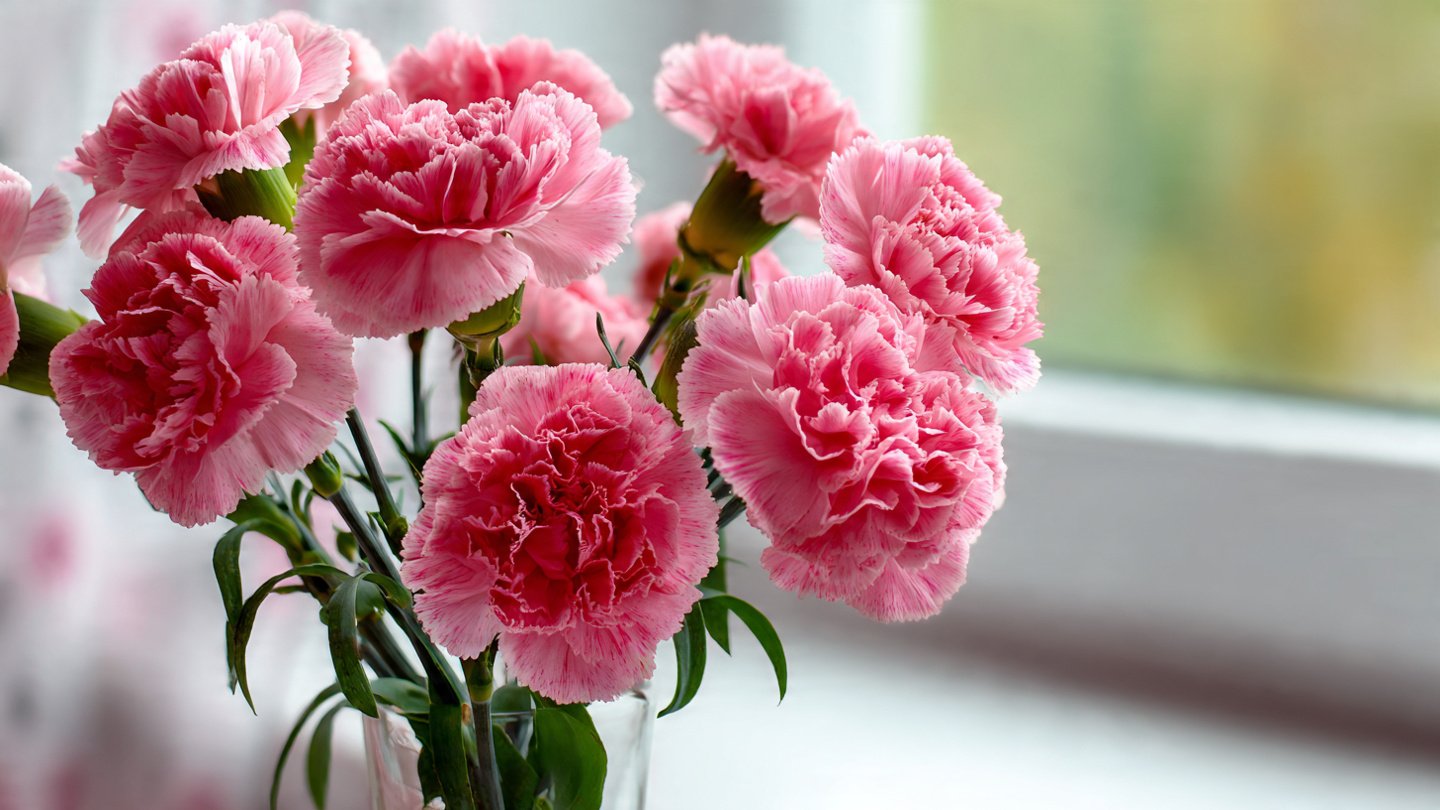
Carnations, scientifically known as Dianthus caryophyllus, are cherished for their elegant blooms and delightful fragrances. With their rich history in floral arrangements and gardens, carnations can brighten any indoor space. Growing them indoors not only adds beauty to your home but also creates a calming environment. If you’re eager to cultivate these stunning flowers, here are some easy hacks to succeed in growing carnations indoors.
1. Choosing the Right Variety
Selecting the Perfect Strain
Before diving into growing carnations, it’s essential to choose the right variety. Carnations come in many colors, sizes, and fragrances. For indoor cultivation, consider varieties such as:
- Miniature Carnations: Ideal for small spaces, these have compact blooms and are easier to manage.
- Pinks: Known for their frilled edges and strong scents, pinks are a delightful addition, perfect for indoor pots.
Purchasing from a Reputable Source
Ensure that you acquire your plants from reputable nurseries or stores. Healthy plants have a higher success rate and are less likely to succumb to diseases.
2. Selecting the Right Containers
Opting for Proper Pots
When it comes to growing carnations indoors, the container you choose plays a crucial role. Use pots that are:
- At least 6-8 inches in diameter: This size allows for ample root growth.
- Have drainage holes: Proper drainage prevents waterlogging, which can lead to root rot.
Material Matters
Select pots made of materials such as clay or plastic. Clay pots offer better breathability, while plastic pots retain moisture longer. Choose based on your watering schedule and indoor environment.
3. Soil Selection
Utilizing Well-Draining Mix
Carnations thrive in well-draining soil. A potting mixture of:
- 60% potting soil
- 20% perlite
- 20% sand
This blend ensures excellent drainage and adequate aeration for the roots.
pH Levels
Carnations prefer a slightly alkaline pH level between 6.5 and 7.0. Periodically testing the soil can help you maintain these levels, ensuring optimal growth.
4. Optimal Lighting Conditions
Finding the Right Spot
Carnations love bright light. Position your pots where they receive at least 6 hours of indirect sunlight daily. A south-facing window is often ideal, but ensure that the plants are shielded from harsh afternoon sun to avoid leaf scorch.
Artificial Lighting
If natural light is sparse, invest in grow lights. These simulate sunlight and can provide the necessary light spectrum for healthy growth. Use fluorescent or LED grow lights, keeping them 12-16 inches above the plants.
5. Watering Techniques
Finding the Right Watering Routine
Establishing a proper watering schedule is paramount. Carnations prefer their soil to be:
- Moist but not soggy: Overwatering can cause root rot. Allow the top inch of soil to dry out before watering again.
Signs of Water Stress
Pay attention to your plants for signs of water stress:
- Drooping leaves often indicate underwatering.
- Yellowing foliage can signal overwatering.
6. Fertilizing for Success
Choosing the Right Fertilizer
Bring vibrance to your carnations by applying a balanced liquid fertilizer every 4-6 weeks during the growing season. Look for a formulation that includes:
- Nitrogen: Boosts foliage growth.
- Phosphorus: Encourages blooming.
- Potassium: Strengthens the plant.
Dilution is Key
Follow the manufacturer’s instructions for dilution. Over-fertilizing can cause harm rather than benefit.
7. Pruning for Growth
Regular Maintenance
Pruning is essential for promoting healthy growth and vibrant blooms. Focus on:
- Removing Dead Flowers (Deadheading): This encourages the plant to produce more blooms.
- Trimming Leggy Growth: If your carnations become leggy, prune back stems to promote bushy growth.
Seasonal Pruning
In late fall, after the blooming season, prune back your carnations by about one-third. This prepares them for new growth in spring.
8. Pest Management Strategies
Vigilance Against Pests
Carnations can attract pests like aphids and spider mites. Keep an eye out for:
- Spider webs on the leaves (a sign of spider mites).
- Sticky residue or small insects (indicative of aphids).
Natural Remedies
If you encounter pests, try natural treatments:
- Insecticidal soap: Safe for indoors and effective against soft-bodied insects.
- Neem oil: A natural insect repellent that also has antifungal properties.
9. Humidity and Temperature Control
Ideal Environment
Carnations prefer moderate humidity levels. Aim for around 40-50% humidity indoors. If your environment is particularly dry, consider:
- Grouping plants: This naturally increases humidity.
- Using a pebble tray with water: Place the pot on a tray filled with pebbles and water to maintain humidity without submerging the pot.
Temperature Range
Maintaining a temperature between 60°F and 70°F (15°C – 21°C) is optimal for carnation growth. Disturbances in temperature can affect blooming. Ensure they are not placed near drafty windows or heat sources.
10. Propagation Techniques
Getting More Plants
Once you’ve mastered growing carnations, consider propagation to expand your indoor garden:
- Cuttings: Snip stem cuttings about 4 inches long and remove the lower leaves. Place them in water or a moist potting mix. Roots should develop within a few weeks.
- Seeds: Start seeds indoors 8-10 weeks before the last frost date. Plant them in seed trays, keeping the soil consistently moist until germination.
Frequently Asked Questions (FAQs)
1. How long do carnations typically bloom?
Carnations can bloom for several weeks, typically from late spring to early fall, depending on the variety and care.
2. Can I grow carnations from seeds indoors?
Yes, you can start seeds indoors. Germination usually takes 10-14 days under optimal conditions.
3. Why are my carnation leaves turning yellow?
Yellow leaves may indicate overwatering, poor drainage, or nutrient deficiencies. Check your watering schedule and soil conditions.
4. How often should I fertilize my indoor carnations?
Fertilize every 4-6 weeks during the growing season with a balanced fertilizer.
5. How do I know if my carnations are getting enough light?
If your carnations are leggy or not producing flowers, they may need more light. Ensure they receive at least 6 hours of indirect sunlight daily.
6. Are carnations toxic to pets?
No, carnations are not considered toxic to pets, but over-consumption can lead to mild gastrointestinal upset.
7. Can I overwinter my indoor carnations?
Yes, you can overwinter them. Keep them in a cool, bright area and reduce watering as they enter dormancy.
8. What’s the best way to prevent fungal diseases?
Avoid overhead watering, ensure good air circulation around your plants, and keep humidity levels moderate.
With these easy hacks and tips, you can cultivate stunning indoor carnations, bringing vibrancy and joy to your living space. Celebrate the beauty of these flowers as they flourish in your home garden, creating an inviting atmosphere and a sense of serenity. Happy gardening!