Introduction
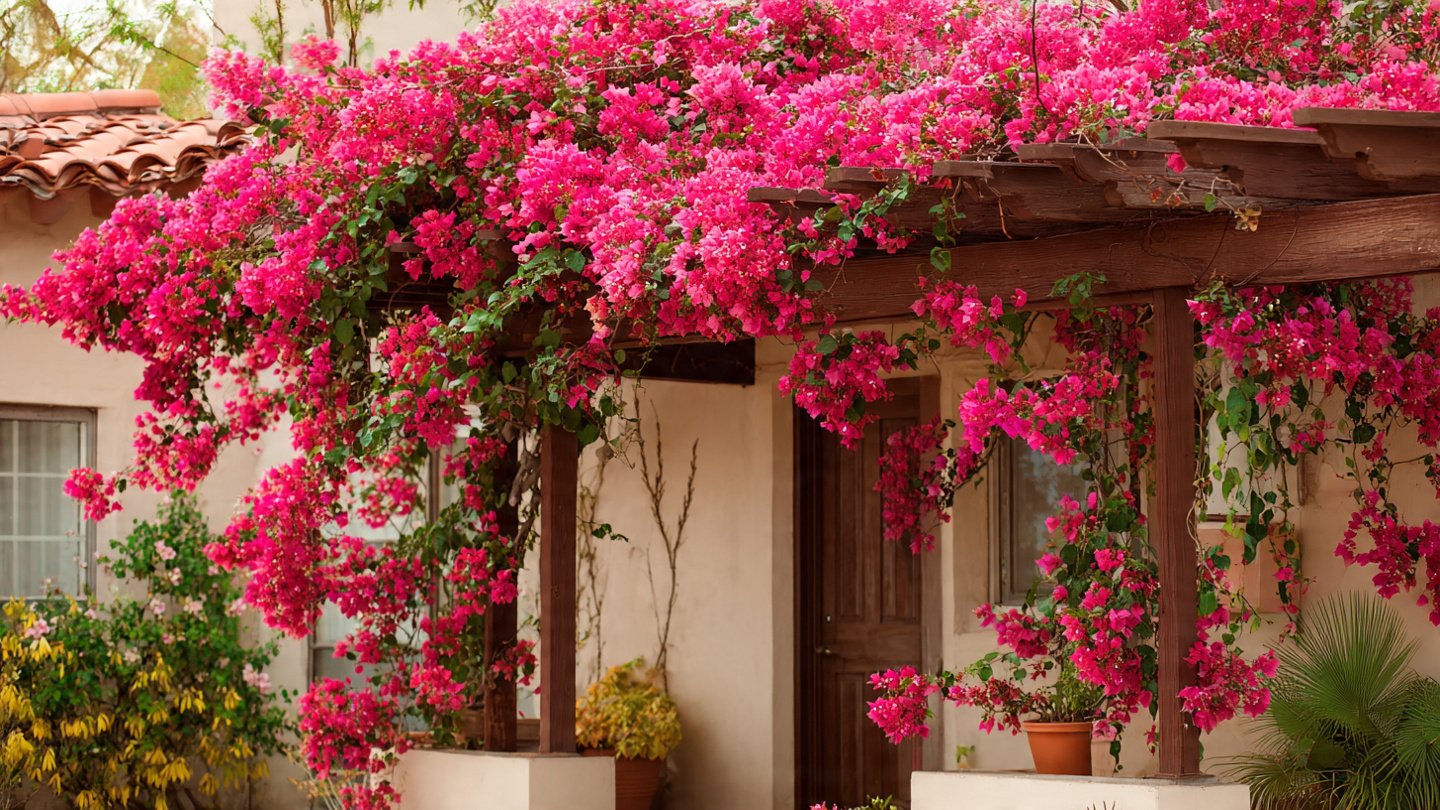
Bougainvillea is a spectacular flowering plant known for its vibrant, colorful bracts that bloom throughout the year in warm climates. When cultivated over a pergola, it creates a stunning visual focal point that can transform any outdoor space into a lush, tropical haven. In this ultimate guide, we will explore the best practices for growing bougainvillea over your pergola, from site selection and planting methods to care tips and common challenges. You’ll soon see why bougainvillea is a favorite among gardeners and landscape designers alike.
Understanding Bougainvillea
Species and Varieties
Bougainvillea is categorized into various species, with the most commonly grown varieties being:
- Bougainvillea glabra (Paper Flower): This variety is known for its soft, papery leaves in hues of purple, pink, or white.
- Bougainvillea spectabilis: This type has larger bracts and is often found in brighter colors such as magenta and deep orange.
- Bougainvillea peruviana: Known for its rapid growth, this variety can be a good choice for covering large pergolas quickly.
Climate and Growing Zones
Bougainvillea thrives in USDA hardiness zones 9-11, making it ideal for warm, tropical, and subtropical climates. It loves full sun and is drought-tolerant, though it can also handle brief periods of high humidity.
Site Selection and Preparation
Choosing the Right Location
Select a location that receives full sunlight for at least six hours a day. Bougainvillea’s vibrant blossoms are best produced under optimal light conditions. Ideally, the site should also have good drainage to prevent root rot.
Preparing the Soil
Bougainvillea prefers well-drained, slightly acidic to neutral soil with a pH between 6.0 and 7.0. Amend heavy clay or sandy soils with compost to improve fertility and drainage. Creating mounds can also help prevent water from pooling around the roots.
Constructing the Pergola
Your pergola should be sturdy enough to support the weight of the bougainvillea as it grows. Consider these factors:
- Material: Wood is popular, but metal or vinyl can also work well. Ensure it is treated for outdoor use to prolong durability.
- Dimensions: The structure should be at least 7-8 feet tall to allow for adequate headroom and air circulation.
Planting Bougainvillea
Timing
The best time to plant bougainvillea is in the spring after the last frost, as the plant will have a full growing season to establish itself.
Planting Procedure
- Digging the Hole: Make a hole twice the width and the same depth as the root ball.
- Watering: Soak the root ball in water for a few hours before planting.
- Positioning: Place the plant in the hole, ensuring the top of the root ball is level with the soil surface.
- Filling the Hole: Backfill with the removed soil and water thoroughly to eliminate air pockets.
- Mulching: Apply a 2-3 inch layer of mulch to retain moisture and suppress weeds.
Training and Supporting Bougainvillea
Initial Training
Bougainvillea is a climbing plant that requires initial guidance to train it to grow over your pergola.
- Trellis or Wire: Attach string or wire to the pergola beams to guide the stems.
- Tying Shoots: As new growth appears, gently tie shoots to the support structure using soft ties to avoid damage.
Pruning
Regular pruning is vital for encouraging growth and maintaining shape:
- When to Prune: The best time to prune bougainvillea is after blooming, usually in late winter or early spring.
- How to Prune: Cut back about one-third of the growth, focusing on removing dead or weak stems.
Care and Maintenance
Watering
Bougainvillea is drought-tolerant, but newly planted specimens need consistent moisture until established:
- Frequency: Water once a week, reducing frequency as the plant matures.
- Signs of Water Stress: Yellowing leaves or wilting indicate underwatering, while drooping stems suggest overwatering.
Fertilizing
To promote healthy growth, feed bougainvillea with a balanced, slow-release fertilizer every 6-8 weeks, especially during the growing season. Look for fertilizers high in phosphorus to support blooming.
Pest and Disease Management
Bougainvillea is generally pest-resistant, but it can attract:
- Aphids: Treat with insecticidal soap or neem oil.
- Spider Mites: Regularly misting the leaves helps control these nuisances.
- Root Rot: Overwatering causes root rot, so ensure proper drainage.
Seasonal Considerations
Winter Care
In cooler climates, protect your bougainvillea during winter:
- Mulch: Increased mulch around the base helps insulate the roots.
- Covering: Use frost cloths or blankets during heavy frost, but remove them during the day for airflow.
Summer Care
During summer, ensure the plant gets plenty of water and support as it grows vigorously.
Troubleshooting Common Issues
Stunted Growth
If your bougainvillea isn’t thriving:
- Check for pests: Inspect leaves, stem, and root systems.
- Assess light and water: Ensure it receives sufficient sunlight and isn’t over or under-watered.
Poor Flower Production
For reduced blooming:
- Fertilization: Reassess your fertilization method, focusing on lower nitrogen and higher phosphorus.
- Pruning: Proper pruning can lead to better blooming cycles.
Creating a Beautiful Environment
Companion Planting
Enhance the surroundings of your bougainvillea with compatible plants that share similar needs, such as:
- Agapanthus: Tall flowering perennial that adds vertical interest.
- Pentas: Low-growing flowering plants that attract butterflies and bees.
Outdoor Living Space
Utilize your pergola with furnishings like outdoor seating, dining tables, and decorative lights to create a cozy and inviting space that’s enhanced by the beauty of bougainvillea.
Conclusion
Bougainvillea is more than just a plant; it’s a statement piece that can transform your outdoor area into a stunning visual retreat. With the right preparation, care, and knowledge, you can successfully cultivate this beautiful flowering vine over your pergola, adding color, texture, and a touch of tropical elegance to your garden.
FAQs
1. How fast does bougainvillea grow?
Bougainvillea can grow quite quickly under ideal conditions, reaching heights of 3 to 10 feet in a single growing season.
2. Can bougainvillea be grown in pots?
Yes, bougainvillea can be grown in pots, but ensure the pot has good drainage and be prepared to water more frequently.
3. How often should I fertilize my bougainvillea?
Fertilize every 6-8 weeks during the growing season with a balanced, slow-release fertilizer.
4. Does bougainvillea attract bees and butterflies?
Yes! Bougainvillea is a beautiful nectar source, attracting various pollinators to your garden.
5. Can I grow bougainvillea in a colder climate?
Bougainvillea prefers warm climates but can be grown in pots and taken indoors or covered during the colder months in colder regions.
With this guide, you are well-equipped to embark on your journey of cultivating bougainvillea over your pergola. Enjoy the vibrant colors and natural beauty this plant brings to your outdoor living space!