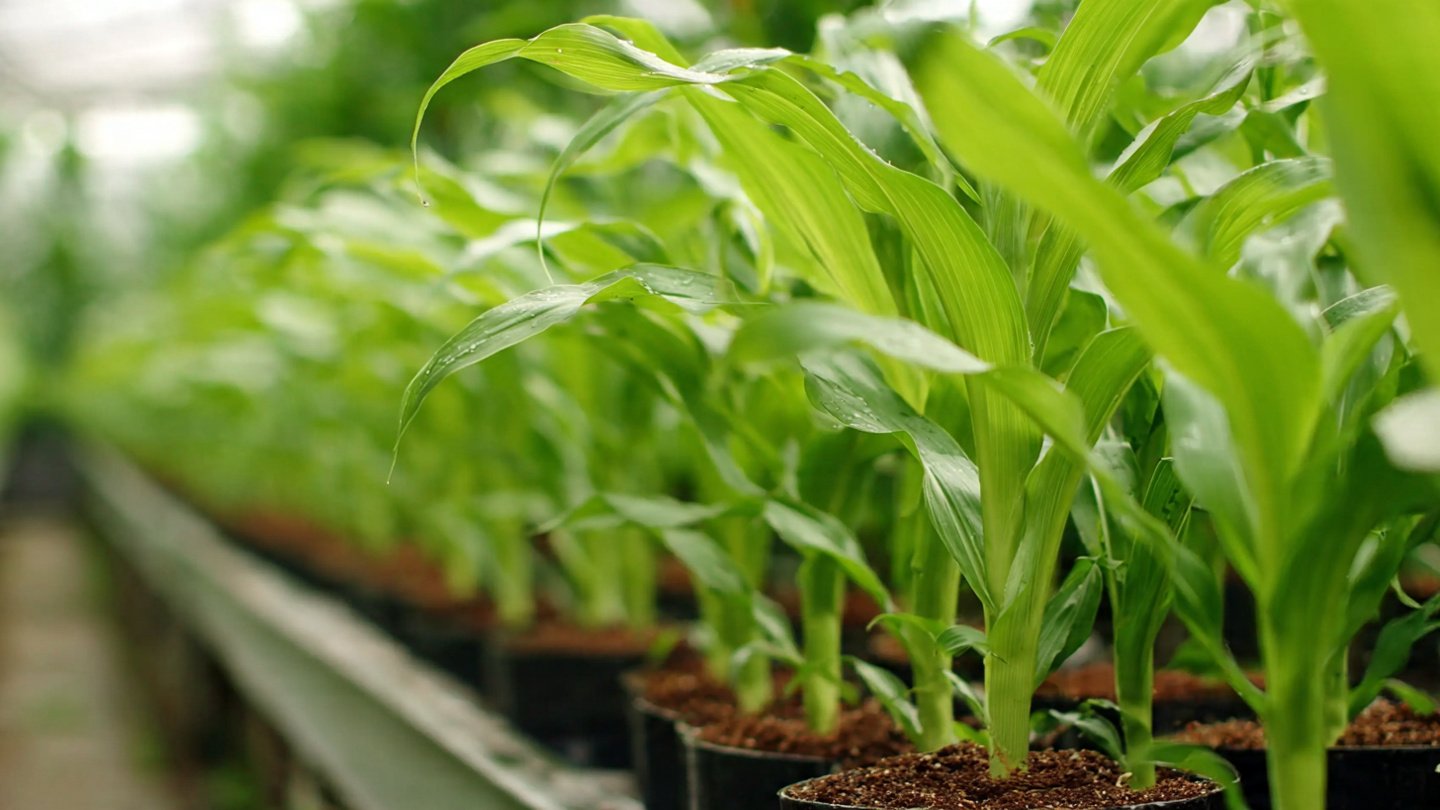
Growing corn in terrace pots offers urban gardeners the opportunity to enjoy the satisfaction of cultivating this staple crop despite limited space. Corn is traditionally a field crop, but with the right techniques, it can thrive in pots on balconies, patios, or small yards. This article delves into the most effective techniques for successfully growing corn in terrace pots to maximize yield.
Understanding Corn Varieties
Before you begin, understanding the different varieties of corn is crucial. Corn can be categorized into several types, including:
- Sweet Corn: Ideal for fresh eating; it’s tender, juicy, and a favorite among home gardeners.
- Field Corn: Primarily grown for animal feed or industrial products; it has a tougher texture and is usually harvested when mature.
- Popcorn: A specific type of corn that pops when heated, it requires particular conditions for optimal growth.
- Ornamental Corn: Grown for decorative purposes; its colorful kernels can add visual appeal to your terrace.
For terrace gardening, sweet corn is often the preferred choice due to its shorter growing cycle and palatable taste.
Choosing the Right Pots
Size and Depth
The size of your pots is critical for successful corn cultivation. Here are key points to consider:
-
Pot Size: Each corn plant requires about 2-4 square feet for adequate growth. Choose pots that are at least 12-18 inches deep and 14-18 inches wide. Larger pots are preferable, as they retain moisture and nutrients better.
-
Material: Terra cotta, ceramic, or plastic pots are good options. Ensure your pots have drainage holes to prevent waterlogging, which can lead to root rot.
Quantity of Pots
Plan to plant at least four to six seeds per pot, considering that not all seeds will germinate. This setup will allow successful pollination, which requires planting in blocks rather than rows.
Optimal Soil Mixture
The soil you choose will significantly influence your corn’s growth. Here are important aspects to consider:
Ingredients
- Base Soil: Use a high-quality potting mix as your base, ensuring it’s light and well-draining.
- Compost: Adding organic compost will enrich the soil with essential nutrients and improve water retention.
- Fertilizer: Incorporate a slow-release fertilizer high in nitrogen, phosphorus, and potassium. A balanced fertilizer (like 10-10-10) can work wonders.
Soil pH
Corn thrives in slightly acidic to neutral soil, with a pH range of 6.0 to 7.0. Test your soil pH and amend it as necessary using lime to raise the pH or sulfur to lower it.
Planting Techniques
Timing
Corn is a warm-season crop that should be planted once the danger of frost has passed, and the temperatures are consistently above 60°F (15°C). Depending on your local climate, this could be late spring to early summer.
Seed Preparation
- Seed Selection: Choose hybrid varieties instead of heirlooms for better yield and disease resistance.
- Pre-soaking: Soak seeds in water for 12-24 hours before planting to boost germination rates.
Planting Depth and Spacing
- Spacing: Plant seeds about 1-2 inches apart and at a depth of 1-2 inches.
- Corn Blocks: If growing multiple pots, group them together in a block formation to facilitate wind pollination.
Watering Techniques
Corn requires consistent moisture, especially during the pollination stage. Here are some watering techniques:
Frequency
-
Watering Schedule: Water deeply but infrequently to encourage deep root growth. Depending on weather conditions, this may mean watering every 2-3 days.
-
Time of Day: Water in the morning or evening to reduce evaporation and maximize moisture absorption.
Mulching
Applying a layer of organic mulch (straw, wood chips, or grass clippings) can help retain moisture, suppress weeds, and regulate soil temperature.
Sunlight Requirements
Corn loves sunlight; therefore, ensure that your terrace pots receive at least 6-8 hours of direct sunlight daily. If your terrace doesn’t get sufficient sunlight, you may need to consider relocating your pots or utilizing reflective materials to increase light exposure.
Fertilization Schedule
To achieve maximum yield, a strategic fertilization schedule is essential. Consider the following:
Initial Fertilization
When planting, mix a slow-release granular fertilizer into the soil to provide nutrients during initial growth.
Side Dressing
Once the corn reaches about 12 inches in height, side-dress with additional fertilizer, such as nitrogen-rich products (urea or ammonium nitrate), every 4-6 weeks. This promotes healthy growth and improves stalk strength.
Pest and Disease Management
Monitoring for pests and diseases is key to successful corn cultivation. Here are some common challenges and how to address them:
Common Pests
- Corn Earworms: These pests can damage the silk and ears. Use organic insecticides or handpick when possible.
- Aphids: They can stunt growth and spread disease. Introduce beneficial insects like ladybugs or use insecticidal soap to manage them.
Common Diseases
- Corn Smut: This fungus can appear on ears and kernels. Remove infected plants immediately.
- Gray Leaf Spot: Fungal disease that can develop in humid conditions. Ensure proper spacing and airflow and treat with fungicides if necessary.
Harvesting Techniques
Corn is typically ready for harvest about 60-100 days after planting. Here’s how to determine when your corn is ready:
Visual Signs
- Silk Appearance: When the silks turn brown and dry out, and the kernels feel plump, the corn is ready to harvest.
- Kernel Test: Press a kernel with your fingernail; if the juice is milky, it’s time to harvest.
Harvesting Process
Using a sharp knife or pruners, cut the ears from the stalk, leaving a small portion of the cob attached for easy handling.
Post-Harvest Care
Once harvested, consider your empty pots:
- Crop Rotation: Avoid planting corn in the same pots consecutively to prevent soil-borne diseases. Rotate with legumes or other plants to refresh the soil’s nutrients.
- Soil Maintenance: Incorporate leftover plant material into the soil and replenish nutrients for the next growing season.
FAQs
1. Can I grow corn in small pots?
Yes, but it is best to use pots at least 12-18 inches deep and wide. Larger sizes promote better growth.
2. How much sunlight does corn need?
Corn requires 6-8 hours of direct sunlight daily for optimal growth.
3. How often should I water my corn?
Water deeply every 2-3 days, adjusting based on weather conditions and moisture levels.
4. When is the best time to plant corn in pots?
Plant corn once the danger of frost has passed and temperatures are consistently above 60°F (15°C), typically late spring to early summer.
5. What pests should I watch out for?
Common pests include corn earworms and aphids. Monitor your plants regularly for signs of infestation.
6. Can I grow sweet corn in a container?
Yes, sweet corn is an excellent choice for container gardening, especially if you have limited space.
7. How do I know when my corn is ready to harvest?
Typically, when the silks turn brown and the kernels feel plump and produce a milky juice when pressed, they are ready to harvest.
8. What type of fertilizer is best for corn?
Use a balanced slow-release fertilizer high in nitrogen, phosphorus, and potassium, such as a 10-10-10 formula.
9. Is it necessary to stake corn in pots?
Generally, corn grown in pots will not need staking unless grown in particularly windy conditions.
10. What can I grow after harvesting corn?
Rotate with legumes or other vegetables like tomatoes or peppers to refresh soil nutrients and prevent disease buildup.
By employing these techniques, you can successfully grow corn in terrace pots and enjoy a bountiful harvest right from your urban garden. Happy gardening!