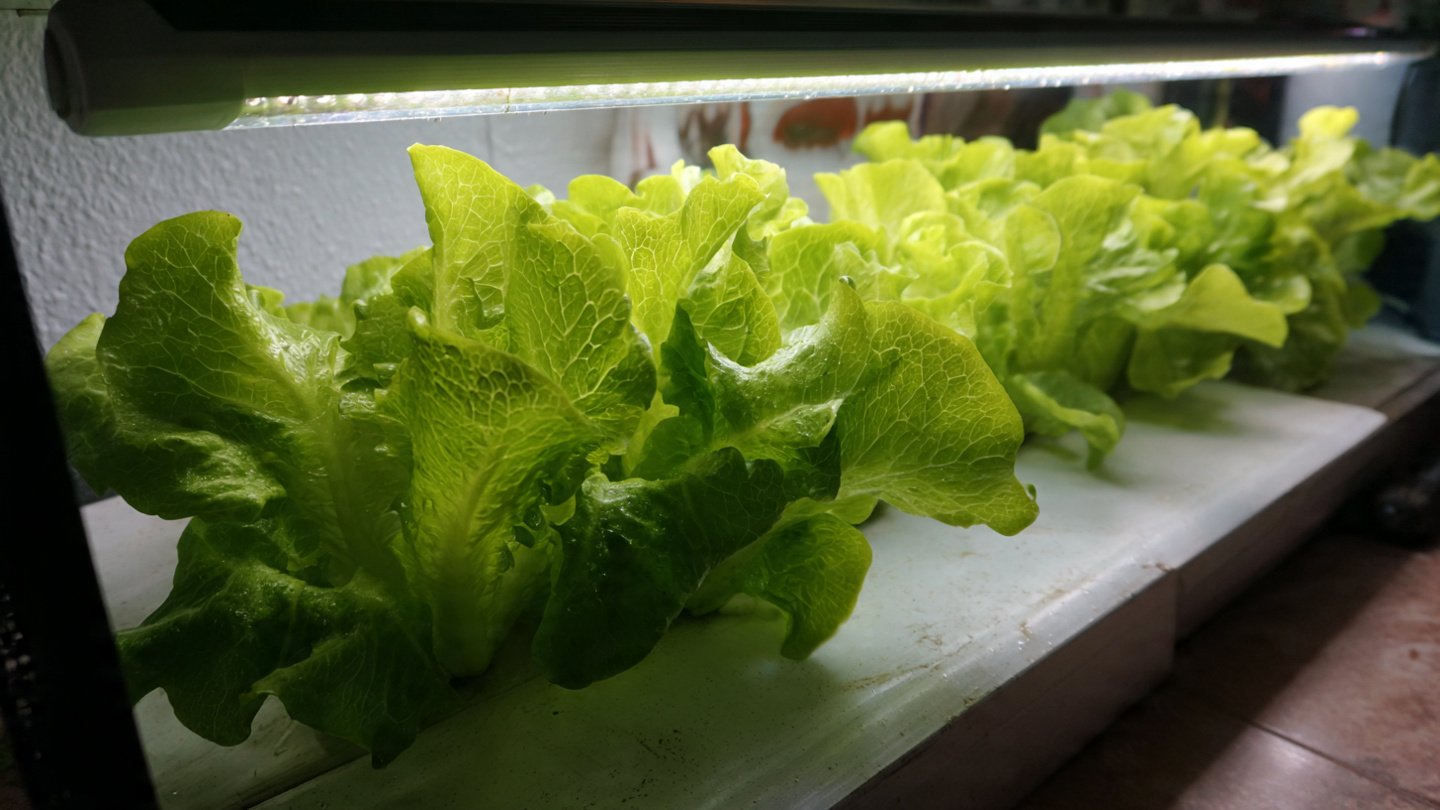
Growing lettuce indoors can seem daunting, but with the right knowledge and tools, you can cultivate fresh, lush leaves all year round. This guide will provide you with step-by-step instructions on how to grow indoor lettuce, including tips on the best varieties, lighting, soil, watering, and care, along with frequently asked questions to address common concerns.
1. Understanding Lettuce Varieties
Lettuce comes in various types, each with unique flavors, textures, and growing requirements. Here are some popular indoor varieties:
- Romaine: Crisp with a sweet flavor, romaine is robust and grows well indoors.
- Butterhead: Soft leaves with a buttery texture, suitable for salads and wraps.
- Leaf Lettuce: Fast-growing and easy to harvest, leaf lettuce provides abundant leaves throughout its growing season.
- Oak Leaf: Unique lobed leaves that add visual interest and a mild taste.
Choose varieties that match your culinary preferences and growing conditions. Leaf lettuce is often the best choice for beginners due to its rapid growth and ease of care.
2. Preparing for Indoor Lettuce Gardening
a. Choosing the Right Containers
Select containers that have drainage holes to allow excess water to escape. Plastic containers, clay pots, or even recycling materials like yogurt cups can work. In general, opt for containers that are 6-12 inches deep to accommodate root growth.
b. Selecting a Suitable Location
Lettuce thrives in bright, indirect sunlight. A south-facing window is ideal, but if your space lacks sufficient natural light, consider using grow lights. Position your containers where they can receive 12-16 hours of light each day.
3. Soil Preparation
Quality soil is vital for successful indoor lettuce gardening. Here are some recommendations:
- Potting Mix: Use a commercial potting mix formulated for container gardening. Look for mixes that contain peat moss, vermiculite, and perlite for good drainage and aeration.
- Nutrients: Incorporate a slow-release fertilizer into the soil to provide essential nutrients for your lettuce.
Blend the potting mix with fertilizer according to package directions, ensuring proper nutrient release.
4. Planting Lettuce Seeds
a. Seed Selection
When purchasing lettuce seeds, opt for organic or heirloom varieties for better flavor and yield. You can easily find these at garden centers or online.
b. Sowing the Seeds
- Fill Containers: Fill your containers with the prepared potting mix, leaving about an inch of space at the top.
- Moisten the Soil: Gently water the soil until it is damp but not soggy.
- Sowing Seeds: Sprinkle seeds evenly over the surface. Cover them lightly with more potting mix (about 1/4 inch) and gently press down.
- Water Again: Mist the top layer using a spray bottle to keep the soil moist without displacing the seeds.
5. Caring for Indoor Lettuce
Once your seeds are planted, the focus shifts to proper care to encourage healthy growth.
a. Light Requirements
If using natural light, rotate your containers weekly to ensure even light exposure. If growing under artificial lights, maintain a distance of 6-12 inches between the light source and the plants to prevent burning.
b. Watering
Lettuce prefers consistently moist soil. Check the soil regularly by sticking your finger into about an inch deep. If it feels dry, water it. Aim to water at the base of the plant to prevent mold and disease.
c. Temperature and Humidity
Lettuce grows best in cooler temperatures, ideally between 60°F to 70°F (15°C to 21°C). Keep your indoor climate stable, avoiding hot drafts from heaters or air conditioners. Aim for moderate humidity; using a humidity tray can help if your indoor environment is too dry.
6. Fertilizing Your Lettuce
Lettuce is a nutrient-demanding crop. After the seedlings have about three leaves, start fertilizing every two weeks with a balanced liquid fertilizer. Dilute the fertilizer according to package instructions to prevent over-fertilization, which can lead to bitter flavors.
7. Harvesting Your Lettuce
a. When to Harvest
You can begin harvesting leaf lettuce about 4-6 weeks after planting, depending on the variety and growing conditions. Harvesting at the right time is crucial to ensuring tender leaves and enhancing flavor.
b. How to Harvest
- Use scissors to cut leaves at the base, leaving the central growth point intact.
- Harvest outer leaves first to encourage continued growth from the center. This method allows you to have a continuous supply of fresh lettuce.
8. Common Challenges and Solutions
a. Pests
Lettuce can attract pests like aphids and spider mites. Use insecticidal soap or neem oil to control infestations. Regularly inspect your plants for signs of pests and act swiftly.
b. Diseases
Leafy greens are susceptible to diseases such as downy mildew and root rot. Ensure proper air circulation, avoid overcrowding, and practice good hygiene by disinfecting containers between uses.
c. Bitterness
If your lettuce tastes bitter, it could be due to stress from heat or insufficient water. Ensure you provide consistent moisture and choose appropriate growing conditions.
9. Tips for Success
-
Companion Planting: Consider planting herbs like basil or cilantro alongside your lettuce. They can deter pests and enhance growth.
-
Succession Planting: To ensure a continuous harvest, sow new seeds every two weeks.
-
Experiment: Don’t hesitate to try different varieties and growing techniques. Gardening is about learning and adapting.
FAQs
1. How long does it take for lettuce to grow indoors?
Lettuce generally takes 4-6 weeks to mature from seed to harvest, depending on the variety and growing conditions.
2. Can I grow lettuce without sunlight?
Yes, you can grow lettuce indoors using grow lights. Ensure that the lights are on for 12-16 hours a day.
3. How often should I water my indoor lettuce?
Check the soil moisture regularly. Water when the top inch of soil feels dry, aiming to keep it consistently moist but not saturated.
4. Do I need to thin my lettuce plants?
Thinning is recommended if your seedlings are overcrowded. Remove the weaker seedlings to allow space for others to grow.
5. Can I reuse potting soil for my lettuce?
You can reuse potting soil, but it’s essential to refresh it by mixing in new potting mix, compost, or fertilizer to restore nutrients.
6. Why is my lettuce growing slowly?
Slow growth can be due to inadequate light, poor soil quality, or inconsistent watering. Evaluate your conditions and adjust as needed.
7. What can I do with excess lettuce?
Besides salads, lettuce can be used in wraps, smoothies, or cooked lightly. You can also share with friends and family or donate to local food banks.
Conclusion
Growing lush indoor lettuce leaves is an achievable and rewarding endeavor. With the right variety, care, and conditions, you can enjoy fresh greens at your fingertips. Whether you’re a seasoned gardener or a beginner, this guide provides you with all the essential tools to embark on your indoor gardening journey. Happy growing!