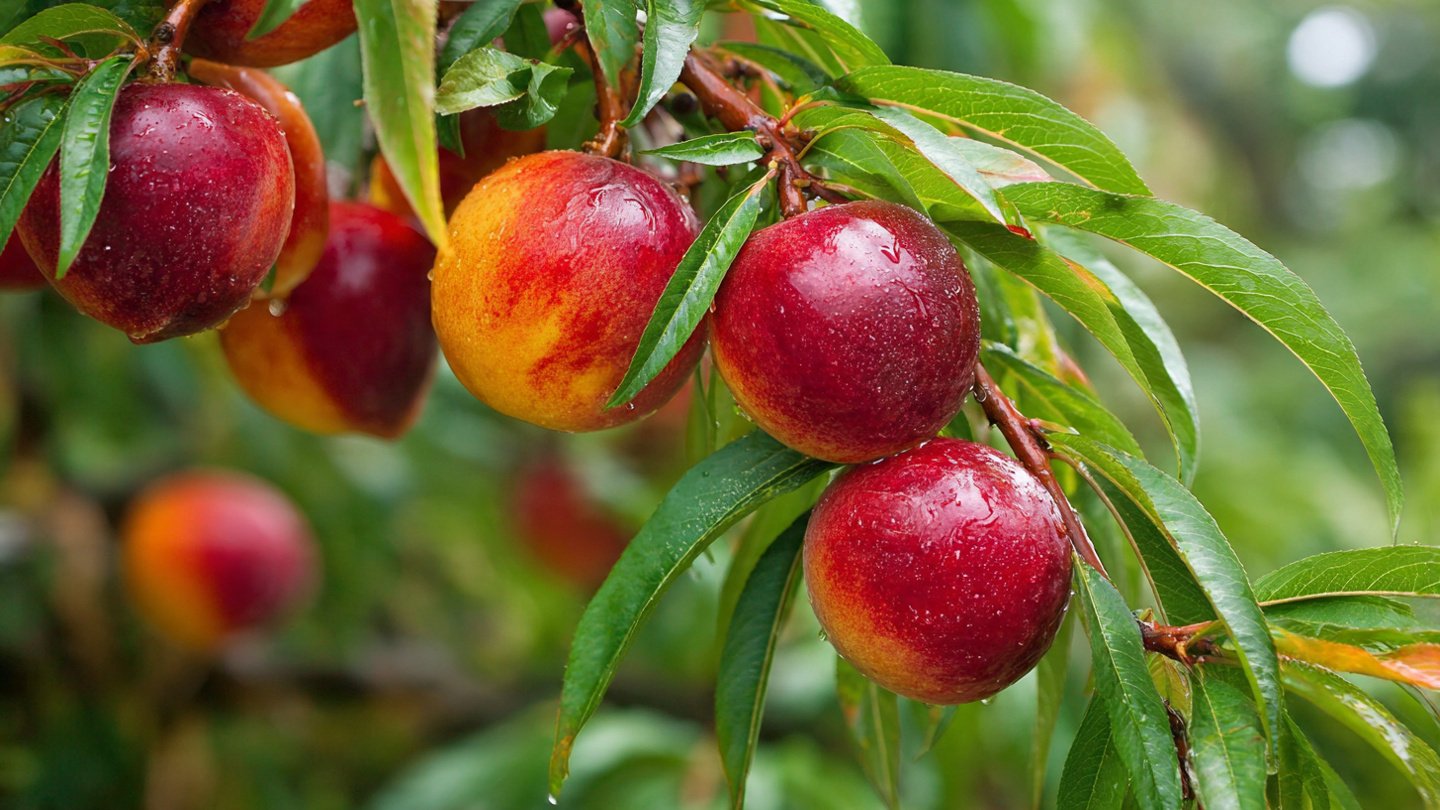
Growing nectarines on your balcony can be a rewarding and fruitful endeavor. With the right techniques, you can yield delicious, juicy nectarines in limited space. This guide will provide you with comprehensive information on how to grow nectarines successfully on your balcony, ensuring maximum fruit production and health.
Understanding Nectarines
Nectarines (Prunus persica var. nucipersica) are closely related to peaches but have a smooth skin. They come in various varieties, which differ in size, color, and flavor. Growing nectarines requires careful planning and knowledge about their growing conditions, especially in container gardens typical of balconies.
Benefits of Growing Nectarines on Your Balcony
- Fresh Produce: Harvesting your own nectarines allows you to enjoy them at peak freshness and flavor.
- Space Efficient: Dwarf varieties can be grown in pots and don’t require extensive space.
- Air Quality Improvement: Plants improve air quality and add aesthetic appeal to your living area.
- Therapeutic Benefits: Gardening is known to reduce stress and promote wellbeing.
Selecting the Right Variety
Choosing the right nectarines is crucial for successful cultivation. Here are some popular varieties suitable for container growth:
- Arctic Jay: A white-fleshed variety that’s cold hardy.
- Fantasia: Known for its juicy, aromatic fruit with a classic nectar flavor.
- Sunred: A beautiful red-skinned variant with sweet flesh.
- Dwarf Varieties: There are several dwarf varieties specifically bred for container growing, allowing you to maximize space.
When selecting, consider your climate and the amount of sunlight your balcony receives.
Choosing the Right Container
When growing nectarines in pots, selecting the appropriate container is essential for their growth.
Container Size
- Minimum Size: At least 18 to 24 inches in diameter. Dwarf varieties can suffice with slightly smaller pots, but a larger pot ensures better root health.
- Depth: Ensure it’s at least 18 inches deep, considering root expansion.
Material
- Plastic or Terracotta: Both materials work well, but terracotta may need more frequent watering due to its porous nature.
- Drainage: Ensure the pot has sufficient drainage holes to prevent root rot. Adding a layer of gravel at the bottom can help improve drainage.
Soil Requirements
Nectarines thrive in well-draining, nutrient-rich soil. Follow these guidelines for the best soil mix:
- Type: A mix of potting soil and compost is ideal.
- pH Level: Aim for a soil pH of 6.0 to 6.8.
- Aeration: Include perlite or vermiculite to improve soil aeration.
Planting Nectarines
Timing
The best time to plant nectarines is in the spring after the last frost. This timing allows the plant to establish as the weather warms up.
Planting Steps
- Prepare the Pot: Add a layer of gravel at the bottom for drainage, followed by your soil mix.
- Center the Plant: Place the sapling in the center of the pot and fill it with soil, tapping lightly to remove air pockets.
- Water Thoroughly: After planting, water the nectarines well to settle the soil.
Sunlight and Location
Nectarines require full sun to produce fruit. Here are some tips on choosing the right balcony location:
- Sunlight: Aim for at least 6-8 hours of direct sunlight each day.
- Wind Protection: If your balcony is windy, consider using a windbreak to protect your plants.
Watering Techniques
Proper watering is crucial for nectarines, especially in containers where soil can dry out quickly.
- Initial Watering: Water thoroughly after planting.
- Regular Schedule: Water your nectarines when the top inch of soil feels dry.
- Avoid Over-Watering: Make sure the pot has good drainage; soggy soil can lead to root rot.
Fertilizing
Nectarines need the right balance of nutrients to thrive. Follow these fertilization steps:
- Type: Use a balanced, slow-release fertilizer with a ratio of 10-10-10.
- Frequency: Fertilize three times a year — once in early spring, once during summer, and again in late summer.
- Organic Options: Compost or well-rotted manure can also provide essential nutrients.
Pruning and Training
Pruning is essential for maintaining plant health, shape, and maximizing fruit production.
When to Prune
- Early Spring: Before new growth begins, remove dead or damaged wood, thin out overcrowded branches, and shape the tree.
Pruning Techniques
- Remove Suckers: Cut off any growths that emerge from the base of the tree.
- Thin Fruits: If your plant sets too many fruits, thin them out to prevent overcrowding, allowing the remaining fruits to grow larger and healthier.
Pest and Disease Management
Pests and diseases can threaten the health of your nectarines. Here’s how to manage them effectively:
Common Pests
- Aphids: These tiny insects can be controlled with insecticidal soap or neem oil.
- Spider Mites: Regularly spray your plants with water to deter them.
- Fruit Flies: Use yellow sticky traps to catch these pests.
Diseases
- Brown Rot: Prevent this fungal disease by ensuring good air circulation and keeping the area around the plant clean.
- Leaf Curl: Often due to insufficient airflow around the leaves, manage this by pruning and spacing plants properly.
Harvesting Nectarines
Knowing when to harvest your nectarines is crucial for maximizing flavor:
- Color: Look for vibrant colors; yellow/orange varieties should be deeply colored.
- Feel: Ripe nectarines will give slightly when pressed gently.
- Taste Test: The best way to know if they’re ready is to taste one!
FAQs
1. Do nectarines grow well in pots?
Yes, nectarines can thrive in pots, especially if you choose dwarf varieties designed for container growth.
2. How often should I water my nectarines?
Water your nectarines when the top inch of soil feels dry. This may be as often as every day in warm weather.
3. What is the best fertilizer for nectarines?
A balanced slow-release fertilizer is best, or you can use organic options like compost or well-rotted manure.
4. How can I prevent diseases in my nectarines?
Ensure good air circulation, prune regularly, and keep the area clean to reduce the risk of diseases.
5. Can I grow nectarines in partial shade?
Nectarines require full sunlight for optimal fruit production, so it’s best to position them in a spot that receives at least 6-8 hours of direct sunlight per day.
6. How long does it take for nectarines to produce fruit after planting?
Generally, nectarines can start producing fruit within 2 to 4 years after planting, depending on the variety and growing conditions.
7. What pests should I be aware of when growing nectarines?
Common pests include aphids, spider mites, and fruit flies. Regular monitoring and early intervention are key to managing these pests.
Conclusion
Growing nectarines on your balcony can be an immensely rewarding experience, providing you with fresh, delicious fruit right at your doorstep. By following this comprehensive guide—selecting the right variety, providing appropriate care, and managing pests and diseases—you can maximize both fruit production and plant health. Whether you’re a novice or an experienced gardener, these tips will help you cultivate a thriving nectarine plant in your urban oasis. Enjoy the journey from seed to fruit and the satisfaction of homegrown harvests!