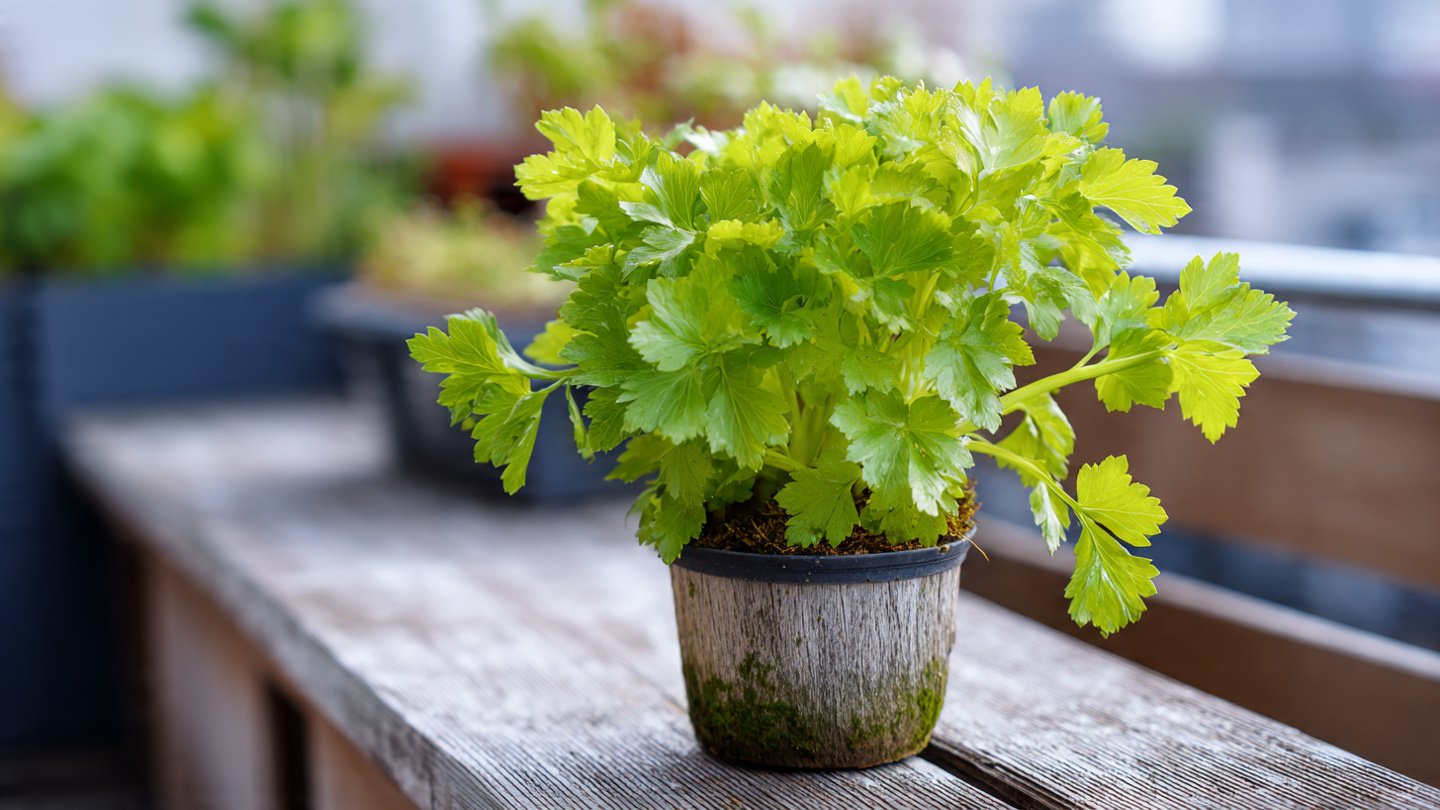
Urban gardening has gained immense popularity among city dwellers who wish to bring a touch of nature into their busy lives. One of the most rewarding vegetables to grow in containers is celery. Known for its crisp texture and refreshing flavor, celery is versatile in the kitchen and surprisingly easy to cultivate in smaller spaces. This article will guide you through the steps necessary to grow celery greens successfully in containers, including proper planting techniques, care, and common challenges.
Understanding Celery Greens
Celery (Apium graveolens) is a biennial herbaceous plant that is commonly grown as an annual. It belongs to the Apiaceae family and is known for its tall, leafy stalks. When we refer to “celery greens,” we often mean the leaves, which can be used in salads, soups, and stocks. These leaves pack a punch of flavor and nutrients, making them an excellent addition to any garden.
Benefits of Growing Celery Greens in Containers
- Space-Efficient: Containers allow urban gardeners to maximize limited space, utilizing balconies, patios, or even windowsills.
- Control Over Soil and Conditions: Growing in containers enables better control over soil composition and moisture level, crucial for celery’s growth.
- Mobility: Containers can be moved to follow sunlight, protect plants from harsh weather, or bring them indoors when needed.
- Pest Management: Container gardening can help manage pests more effectively, as plants can be isolated and monitored closely.
Choosing the Right Container
When growing celery greens in containers, the choice of container is vital. Here are key factors to consider:
- Size: Celery has deep roots, so ensure the container is at least 12-18 inches deep. A width of at least 12 inches is also recommended for optimal growth.
- Material: Choose durable materials such as plastic, clay, or ceramic. Ensure the container has drainage holes to prevent water stagnation, which can lead to root rot.
- Weight: Consider how heavy the container will be when filled with soil and water. This is especially important for rooftop gardens or balconies.
Soil Composition
Celery prefers a rich, well-draining soil that is high in organic matter. A good mix includes:
- Potting Soil: A quality potting mix forms the base of your growing medium.
- Compost: Adding compost improves nutrient content and encourages healthy growth.
- Perlite or Vermiculite: These materials enhance drainage and aeration, essential for celery.
A soil pH of around 6.0 to 7.0 is ideal. You can test your soil using a pH testing kit available at garden centers.
Planting Celery Greens
Seed Selection
You can grow celery greens either from seeds or by purchasing young plants. For seeds, select a variety suited for container gardening, such as ‘Tall Utah’ or ‘Golden Self-Blanching.’
Germinating Seeds
- Timing: Start seeds indoors 10-12 weeks before the last frost date or direct sow outdoors as soon as the soil temperature reaches at least 70°F (21°C).
- Planting: Sow seeds shallowly—about 1/4 inch deep—broadly in the pot. Cover lightly with soil and keep it moist.
Transplanting
If growing from seedlings, wait until they’re about 4-6 inches tall before transplanting. Space them 6-12 inches apart in the container to allow sufficient airflow and growth.
Watering and Nutritional Needs
Watering
Celery requires consistent moisture to thrive, as it is mostly water. Here are some tips for effective watering:
- Frequency: Water celery deeply but infrequently. Containers can dry out quickly, so check soil moisture regularly. Water when the top 1 inch feels dry.
- Technique: Watering at the base of the plant prevents leaf wetness that can lead to disease.
Fertilization
Celery is heavy in nutrients, necessitating regular fertilization. Use a balanced, water-soluble fertilizer every 4-6 weeks. Consider organic options such as fish emulsion or seaweed extract.
Sunlight Requirements
Celery thrives in full sun, requiring a minimum of 6 hours of direct sunlight per day. However, in extremely hot climates, providing some afternoon shade can prevent bolting and stress. If growing indoors, a south-facing window or supplementary grow lights can provide the necessary light.
Pest and Disease Management
While celery is relatively resistant to pests, a few common issues can arise:
Pests
- Aphids: Small, sap-sucking insects that can be controlled with insecticidal soap or natural predators such as ladybugs.
- Cutworms: These can damage young plants; use collars made of cardboard around the base to deter them.
- Slugs and Snails: These are attracted to damp environments. Traps or organic deterrents like diatomaceous earth can help manage them.
Diseases
Celery can be susceptible to diseases such as:
- Blight: Fungal disease leading to wilting and yellowing leaves. Ensure good air circulation and avoid wetting foliage.
- Root Rot: Caused by overwatering, root rot can be minimized by proper drainage and avoiding consistently wet soil.
Harvesting
Celery greens can be harvested about 70-100 days after planting, depending on the variety and conditions. Cut the outer stalks as they grow, allowing the inner ones to continue developing. This method not only prolongs the harvest but also encourages larger, healthier plant growth.
Tips for Successful Container Growing
- Refresh Soil Annually: Change the top layer of soil each season to replenish nutrients.
- Rotate Crops: To minimize diseases, avoid planting celery in the same container year after year.
- Use Companion Planting: Planting marigolds or nasturtiums alongside celery can deter some pests and enhance growth.
- Keep Records: Maintain a gardening journal to track what works best in your local climate and conditions.
FAQs
How long does it take to grow celery from seed?
Growing celery can take anywhere from 70 to 100 days from seed to harvest, depending on the variety and growing conditions.
Can I grow celery indoors?
Yes, celery can be successfully grown indoors if you provide sufficient light, moisture, and suitable temperatures.
How often should I water my celery in containers?
Water celery regularly to keep the soil consistently moist but not soggy. Check the top inch of soil, and water when it feels dry.
Why are my celery plants bolting?
Bolting occurs when celery is stressed by high temperatures or inadequate water. To prevent this, ensure proper watering and, if necessary, provide afternoon shade during hot weather.
Can I reuse potting soil for celery?
It’s advisable to refresh your potting soil if reusing it. Remove any old roots and debris, and add fresh compost or organic matter to rejuvenate nutrient content.
What can I do with celery greens?
Celery greens are versatile and can be used in salads, soups, stocks, smoothies, or as a garnish.
In conclusion, growing celery greens in containers is a feasible and rewarding venture for urban gardening enthusiasts. With the right care, conditions, and proper practices, you can successfully cultivate this nutritious vegetable right from the comfort of your home. Enjoy the process and savor the satisfying results of your gardening efforts!