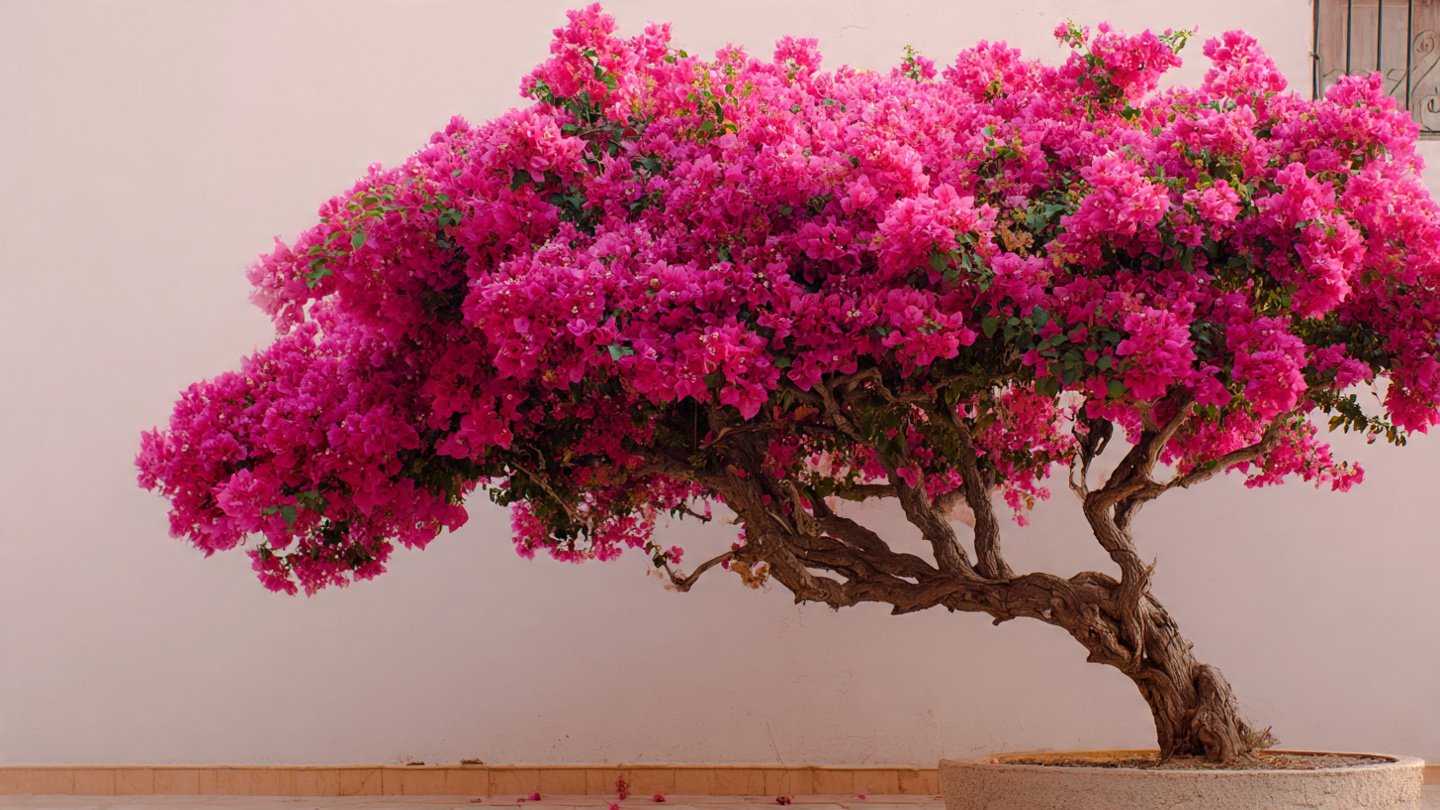
Bougainvillea is a vibrant and beautiful flowering plant that has captured the hearts of gardeners and enthusiasts worldwide. Known for its bright, colorful bracts that surround its small, white flowers, bougainvillea makes an excellent choice for adding a splash of color to gardens, patios, and terraces. Growing bougainvillea in tree form can enhance its beauty even further, transforming it into a stunning focal point. This guide will provide you with invaluable tips on how to grow bougainvillea in tree form, especially if you’re a beginner.
1. Understanding Bougainvillea
Before you dive into growing bougainvillea in tree form, it’s crucial to understand the plant itself. Bougainvillea is a tropical vine native to South America. Its vibrant bracts come in colors such as purple, pink, red, orange, and white, making it highly versatile for ornamental gardening. Bougainvillea prefers warm climates but can also adapt to cooler environments if properly cared for.
1.1 Types of Bougainvillea
There are several varieties of bougainvillea, each with unique characteristics. Here are a few popular types:
- Bougainvillea glabra: This is a smaller variety with smaller flowers and bracts. It’s an excellent choice for containers.
- Bougainvillea spectabilis: Known for its larger flowers, this type grows vigorous vines and is ideal for gardens.
- Bougainvillea peruviana: This variety features dense blooms and is typically bushier.
2. Preparing to Grow Bougainvillea in Tree Form
2.1 Choosing the Right Location
Bougainvillea thrives in full sunlight, so it is essential to select a location that receives at least 6 to 8 hours of direct sunlight daily. A south-facing garden or patio is ideal. The soil should be well-draining and slightly acidic to neutral.
2.2 Selecting the Right Pot
If you’re growing bougainvillea in a container, opt for a pot that is at least 18 to 24 inches in diameter. Ensure that it has drainage holes to prevent waterlogging, which can harm the roots. Ceramic, plastic, or terracotta pots are suitable, but terracotta is advisable due to its breathability.
2.3 Gathering Necessary Supplies
Before you begin planting, gather the following supplies:
- Bougainvillea cutting or young plant
- Well-draining potting mix
- Fertilizer high in phosphorus
- Support structure (if needed)
- Pruning tools
- Watering can
3. Planting Bougainvillea
3.1 Preparing the Soil
Mix equal parts of potting mix and perlite or sand to ensure excellent drainage. If in the ground, amend the existing soil with compost and sand.
3.2 Planting the Bougainvillea
-
Root the Cutting or Plant the Young Plant: If starting from cuttings, take 6 to 8-inch cuttings of softwood growth. Remove the lower leaves and dip the cut end in rooting hormone. Plant it in the prepared pot or ground. For young plants, carefully remove them from their nursery pots and gently loosen tangled roots before planting.
-
Placing in the Pot: Position the plant at the center of the pot or hole you’ve prepared. Use your hands to create a mound at the bottom for support, ensuring that the top of the root ball is level with the surrounding soil.
-
Filling with Soil: Fill in around the root system with your prepared soil mix. Gently pat it down to eliminate any air pockets but avoid compacting it too tightly.
-
Watering: Water thoroughly until excess moisture drains from the bottom of the pot. Allow the soil to dry out between waterings as bougainvillea prefers drier conditions.
4. Training Bougainvillea into Tree Form
Once your bougainvillea is established (after a few months), you can start training it into a tree form.
4.1 Selecting a Main Stem
Identify a strong, central stem and prune away any competing stems. This main stem will become the trunk, so it’s crucial to ensure it is straight and healthy.
4.2 Supporting the Stem
Use a support stake if needed. Insert the stake into the soil next to the main stem and tie the stem gently to the stake using soft ties or twine. This will help keep the stem upright as it grows.
4.3 Encouraging Branch Growth
As the plant grows, prune any side shoots that emerge from the trunk to promote upward growth. Encourage a tree-like shape by focusing on the top growth rather than allowing the plant to become bushy.
4.4 Regular Pruning
Regularly prune to maintain the shape and encourage more blooms. This is typically done in early spring before the growing season starts. Cut back about one-third of the plant, focusing on removing dead or weak growth.
5. Watering and Fertilization
5.1 How Often to Water
Bougainvillea prefers drier soil, so water when the top inch of soil feels dry. Reduce watering during the winter months when the plant is dormant.
5.2 Fertilizing
Use a balanced fertilizer high in phosphorus (with lower nitrogen) to encourage flowering. Feed every 4-6 weeks during the growing season, diluting the fertilizer to half-strength.
6. Managing Pests and Diseases
Bougainvillea is relatively disease-resistant, but it’s essential to keep an eye out for common pests such as aphids, whiteflies, and spider mites.
6.1 Pest Control
- Insecticidal Soap: Spray on affected areas.
- Neem Oil: A natural pesticide that can help prevent infestations.
6.2 Disease Control
Maintain good air circulation by avoiding overcrowding, and be cautious not to overwater, which can lead to root rot.
7. Overwintering Bougainvillea
If you live in a cooler climate, you’ll need to protect your bougainvillea during the winter.
7.1 Indoor Care
If indoors, place the bougainvillea in a bright, warm location, and reduce watering. Keep the temperature above 50°F (10°C).
7.2 Outdoor Protection
For outdoor plants, wrap the base with burlap for insulation and cover branches with frost cloth during extreme cold.
FAQs
Q1: How long does it take for bougainvillea to bloom?
A: Bougainvillea typically starts blooming within 4-6 months of planting, depending on growth conditions.
Q2: Can bougainvillea be grown indoors?
A: Yes, bougainvillea can be grown indoors with sufficient sunlight, preferably in a south-facing window.
Q3: Why are my bougainvillea leaves turning yellow?
A: Yellowing leaves may indicate overwatering, nutrient deficiency, or too little light. Adjust watering habits and ensure adequate sunlight.
Q4: How often should I prune my bougainvillea?
A: Regular pruning can be done every spring to shape the plant and promote blooming. Additional light pruning can be done throughout the growing season as needed.
Q5: Can bougainvillea survive frost?
A: Bougainvillea is not frost-tolerant. In regions with frost, it should be protected or brought indoors during cold months.
Q6: What is the best fertilizer for bougainvillea?
A: A balanced fertilizer with higher phosphorus content will encourage blooming. Look for an N-P-K ratio like 6-10-5 or something similar.
Q7: How do I propagate bougainvillea?
A: Bougainvillea can be propagated through cuttings taken in late spring or early summer. Use healthy, semi-hardwood cuttings and place them in a well-draining mix.
Conclusion
Growing bougainvillea in tree form is a rewarding endeavor that can enhance your garden or patio’s aesthetics. With the right knowledge and care, even beginners can cultivate this stunning plant successfully. By following the steps outlined above—from site selection to pest management—you will be well on your way to having a magnificent bougainvillea tree. With its vibrant colors and unique form, your bougainvillea will surely become the star of your garden landscape!