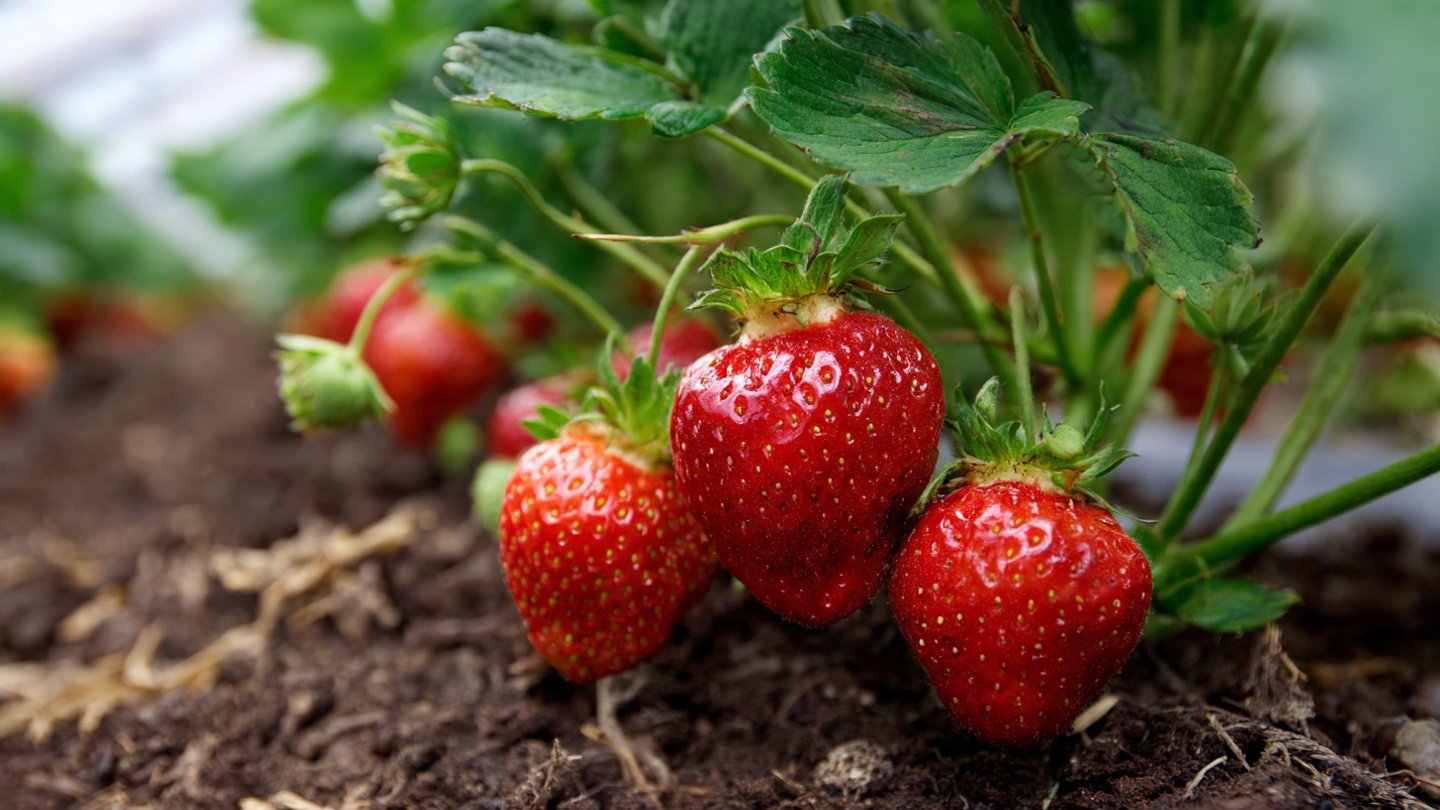
Strawberries are a beloved fruit, celebrated for their sweet taste and versatility in culinary applications. For Canadian gardeners, the challenge lies in the short growing season typical of much of the country. However, with the right techniques, it’s possible to cultivate strawberries year-round. This guide explores effective methods for growing strawberries in Canada, covering everything from selecting the right varieties to implementing season-extending practices.
Selecting the Right Strawberry Varieties
The first step to successfully growing strawberries in Canada is choosing the right varieties. Generally, strawberries are classified into three categories: June-bearing, everbearing, and day-neutral.
-
June-Bearing Strawberries: These produce a single large crop in late spring to early summer. Popular varieties include:
- Kent: Known for its rich flavor and good yield.
- Cavendish: Well-adapted to Canadian climates, with a sweet taste and firm texture.
-
Everbearing Strawberries: Everbearing strawberries can yield fruit in both spring and fall. Some recommended varieties are:
- Quinault: Large, sweet berries that can handle cooler temperatures.
- Albion: Resilient and provides consistent yields.
-
Day-Neutral Strawberries: These can produce fruit throughout the growing season, making them ideal for year-round cultivation. Varieties like:
- Seascape: Known for its sweetness and disease resistance.
- Tristar: Performs well in cooler climates and has a long harvest period.
Choosing varieties that can thrive in the colder Canadian climate is crucial, so always check local growing guides for the best options available in your region.
Soil Preparation and Health
Healthy soil is the cornerstone of successful strawberry cultivation. Here are steps to ensure optimal soil conditions:
-
Soil Testing: Conduct a soil test to determine pH and nutrient levels. Strawberries prefer slightly acidic soil (pH 5.5-6.8). Adjust pH using sulfur or lime as necessary.
-
Organic Matter: Incorporate plenty of organic matter such as compost or well-rotted manure into your soil. This improves soil structure, drainage, and nutrient availability.
-
Drainage: Good drainage is vital. Strawberries are susceptible to root rot, so avoid planting in low areas where water tends to pool. Raised beds are an effective solution.
-
Mulching: Organic mulches, like straw or wood chips, can help retain moisture, suppress weeds, and maintain soil temperature.
Planting Techniques
Timing and method of planting can significantly affect your strawberry crop. Here are recommendations for planting strawberries in a Canadian climate:
-
Transplanting:
- Timing: Plant in early spring as soon as the soil is workable. Alternatively, strawberries can be planted in late summer.
- Spacing: Space plants about 12-18 inches apart in rows 3-4 feet apart to ensure good airflow and sunlight.
-
Container Gardening:
- For those short on space or wanting to maximize produce, consider growing strawberries in containers. Containers should have good drainage and be filled with high-quality potting mix.
-
Strawberry Towers: A vertical gardening option that saves space and creates an attractive garden design. These can support healthier plants by allowing better air circulation and exposure to sunlight.
Season Extension Techniques
To grow strawberries year-round, especially in colder climates, employing season extension techniques is essential.
-
Row Covers: Floating row covers can protect strawberries from frost and extending the harvest period. They’re made from lightweight fabric that allows light and moisture to penetrate while providing insulation.
-
Cold Frames and High Tunnels: These structures can help regulate temperature and protect your plants from harsh weather. A high tunnel can create a mini-greenhouse effect, allowing for earlier planting and extended harvesting.
-
Grow Lights: If you’re growing strawberries indoors or in a greenhouse, consider using grow lights during the winter months. This helps mimic natural sunlight and encourages photosynthesis.
-
Hydroponics: This soilless growing method allows for year-round strawberry production and can be done indoors or in greenhouses, making it an increasingly popular choice for Canadian growers.
Watering and Nutrient Management
-
Irrigation: Strawberries require consistent moisture, especially while fruiting. Drip irrigation systems can deliver water directly to the roots, reducing waste and minimizing disease risk.
-
Fertilization: Use a balanced fertilizer during the growing season, but avoid excessive nitrogen, which can lead to lush foliage at the expense of fruit.
-
Winter Prep: In late fall, prepare your plants for winter by reducing watering and applying a late-season nitrogen fertilizer to encourage strong root growth.
Pest and Disease Management
Preventing and managing pests and diseases is crucial in growing strawberries successfully:
-
Common Pests: Watch for aphids, spider mites, and slugs. Use insecticidal soap or neem oil for control. Crop rotation can help disrupt pest life cycles.
-
Diseases: Maintain good air circulation and avoid overhead watering to prevent fungal diseases like powdery mildew and root rot. Practice crop rotation and remove any infected plants promptly.
-
Netting: Protect ripe strawberries from birds and other pests by covering plants with netting.
Harvesting and Post-Harvest Care
-
Timing: Strawberries are best harvested when fully colored and slightly firm. Morning is the best time to pick, as berries are typically cooler and firmer.
-
Handling: Handle strawberries gently to avoid bruising. If harvesting large quantities, use shallow containers to minimize crushing.
-
Storage: Fresh strawberries should be stored in a cool, dry place. To extend shelf life, refrigerate and consume within a few days. For long-term storage, consider freezing or making jams.
FAQs
1. Can strawberries be grown indoors year-round in Canada?
Yes, strawberries can be grown indoors using pots and grow lights. Hydroponic systems also allow for efficient indoor cultivation.
2. What is the best time to plant strawberries in Canada?
The ideal time to plant strawberries in Canada is in early spring or late summer, depending on the variety and local climate.
3. How often should I water strawberries?
Strawberries need regular watering, especially during fruit development. Aim for 1-2 inches of water per week, adjusting in hotter periods.
4. Do strawberries need full sun?
Yes, strawberries thrive in full sun and require at least 6-8 hours of sunlight daily for optimal growth and fruit production.
5. How can I protect my strawberries from frost?
Row covers, cold frames, and high tunnels are effective ways to protect strawberries from late spring frosts.
6. What should I do if my strawberries develop mold?
Remove infected berries immediately to prevent spreading. Ensure good air circulation and avoid overhead watering, which can contribute to mold growth.
Conclusion
Growing strawberries year-round in Canada is entirely feasible with the right techniques, careful planning, and diligent maintenance. From selecting the appropriate varieties to employing season-extending practices, every step can contribute to a successful strawberry harvest. By considering the unique challenges of the Canadian climate, you can enjoy fresh, homegrown strawberries even in the depths of winter.