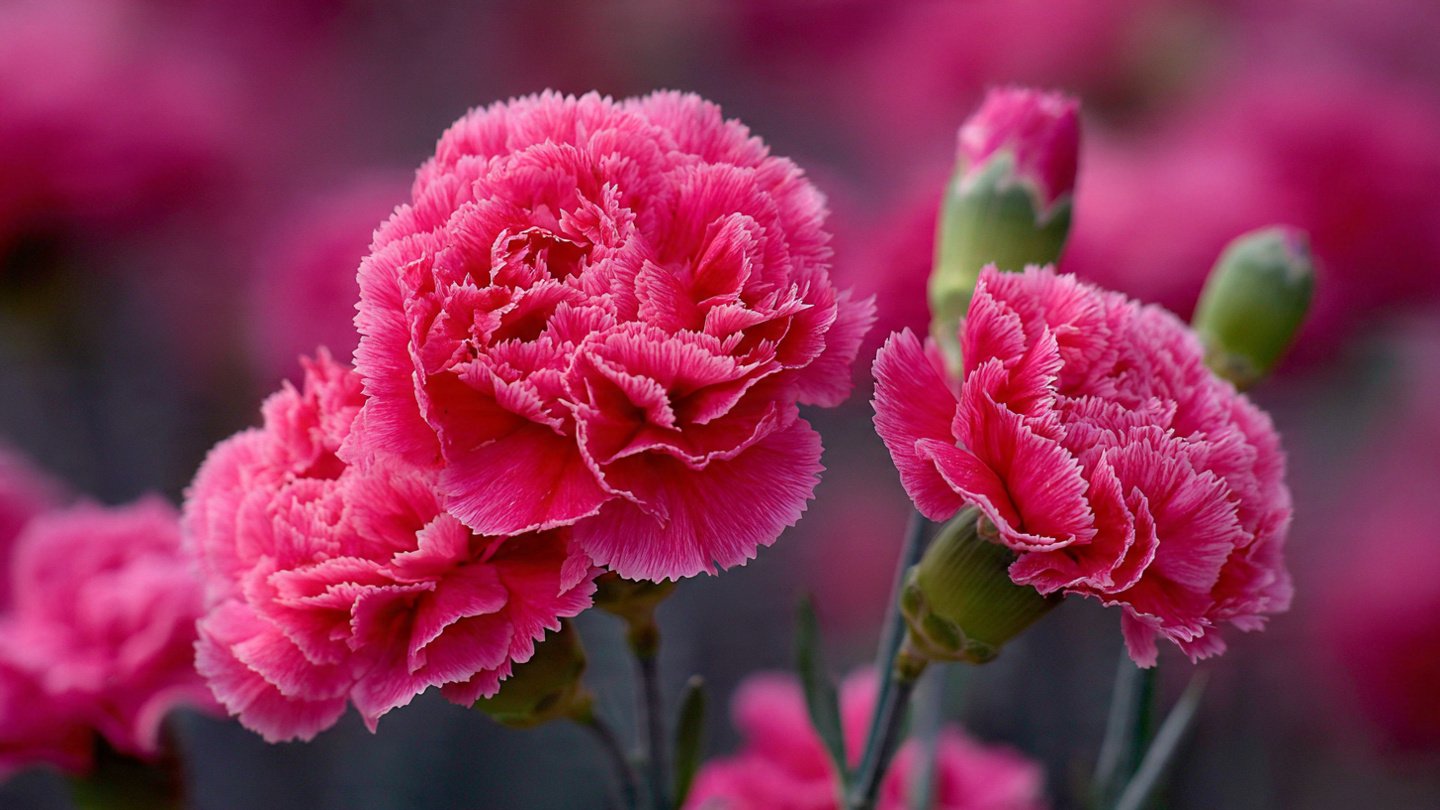
Carnations (Dianthus caryophyllus) are a beloved flowering plant known for their ruffled petals and fragrant blooms. They come in a variety of colors, from vibrant reds and pinks to delicate whites and purples. Growing carnations in pots offers beginners an excellent opportunity to cultivate these lovely flowers at home, even in limited spaces. Here’s a comprehensive guide on how to grow beautiful carnations in pots.
1. Choosing the Right Pot
Size Matters
Begin by selecting a pot that is at least 6 to 8 inches deep. Carnations have a moderate root system that requires space to grow without becoming root-bound. A pot that is 10-12 inches in diameter is ideal for multiple plants.
Drainage
Ensure that the pot has drainage holes at the bottom to allow excess water to escape. This reduces the risk of root rot, which can be detrimental to your plants.
Material
Pots can be made from various materials, including plastic, ceramic, or terracotta. Terracotta pots are ideal for their breathability and ability to absorb moisture, while plastic pots are lightweight and less prone to cracking.
2. Selecting the Right Soil
Well-Draining Mix
Carnations thrive in well-draining soil. A mix of potting soil with added perlite or sand helps to ensure proper drainage. You can also find commercially available potting mixes specifically formulated for flowering plants.
pH Levels
Carnations prefer a slightly alkaline soil with a pH of 6.0 to 7.0. You can test your soil’s pH using an at-home testing kit and amend as necessary with lime to raise pH or sulfur to lower it.
3. Choosing the Right Variety
Carnations come in many varieties, including:
- standard (or “border”) types: Ideal for pots and gardens, they produce large flowers in a range of colors.
- miniature varieties: Perfect for small pots, these smaller plants bloom abundantly, offering a charming display.
Suggested Varieties
- ‘Dianthus Sweet William’: Known for its vibrant flower colors and sweet fragrance.
- ‘Grenadine’: A vibrant red variety with fringed petals.
- ‘Chinah Pink’: A traditional carnation with ruffled edges, known for its unique pink blooms.
4. Planting Carnations
Timing
The best time to plant carnations is in the early spring or fall, depending on your climate. This allows them to establish their roots before the temperature extremes of summer or winter.
Steps to Plant
- Fill the pot with your prepared soil, leaving about an inch of space from the top.
- If planting multiple seedlings, space them about 6-12 inches apart to allow for their mature size.
- Dig small holes for each plant, gently remove the seedlings from their containers, and place them in the holes.
- Cover the roots with soil and gently pat down to eliminate air pockets.
5. Watering
Initial Watering
Immediately after planting, water your carnations thoroughly to help establish the root system.
Ongoing Care
- Frequency: Water deeply but less frequently, allowing the top inch of soil to dry out between waterings. This encourages deep root growth.
- Method: Water at the base of the plant to avoid wetting the foliage, which can promote fungal diseases.
6. Fertilizing Carnations
Choosing Fertilizer
Select a balanced, water-soluble fertilizer. A 10-10-10 or 20-20-20 nutrient ratio is suitable for promoting healthy growth and flowering.
Fertilizing Schedule
- Fertilize every 4-6 weeks during the growing season (spring and summer).
- Reduce or eliminate fertilization in late fall and winter when the plant’s growth slows.
7. Sunlight Requirements
Light Preferences
Carnations thrive in full sun, requiring at least 6-8 hours of direct sunlight daily. If growing indoors, place them near a sunny window or consider using grow lights.
Temperature and Humidity
Carnations prefer cooler temperatures, ideally between 60°F and 70°F (15°C to 21°C). They do best in low to moderate humidity, making them perfect candidates for indoor pot cultivation.
8. Pruning and Deadheading
Pruning
Prune your plants regularly to promote bushier growth and remove dead or damaged stems. Pinching off the tips encourages branching, which leads to more flowers.
Deadheading
Remove spent blooms to encourage the plant to produce more flowers. Use sharp scissors or garden shears to cut the flower stem just above a leaf node.
9. Pest and Disease Management
Common Pests
Look out for aphids, spider mites, and whiteflies. They can be managed through:
- Insecticidal soap: Spray directly on the pests.
- Neem oil: A natural pesticide that can deter several types of pests.
Fungal Diseases
Carnations can be prone to fungal issues if water is allowed to sit on the leaves. Maintain good airflow around your plants, avoid overhead watering, and remove any dead plant material to minimize disease risk.
10. Winter Care
If you live in a climate with harsh winters, bring pots indoors or protect them with frost cloths and mulch. Generally, carnations are hardy in USDA Zones 6-10. If growing as annuals in colder zones, consider replanting each spring.
11. General Tips for Growing Carnations
- Rotate crops: If growing in the garden, avoid planting carnations in the same spot for consecutive years to prevent soil-borne diseases.
- Monitor growth: Regularly check your plants for signs of stress or nutrient deficiency, such as yellowing leaves.
Conclusion
With their vibrant colors and delightful fragrance, carnations are a worthwhile addition to any garden or patio. By following these easy steps, even beginners can successfully cultivate beautiful carnations in pots. Enjoy the process and watch your flowering beauties bloom!
FAQs
Q1: How long do carnations bloom?
A1: Carnations typically bloom from spring to fall, providing flowers for several months if properly cared for.
Q2: Can I grow carnations indoors?
A2: Yes, carnations can be grown indoors, provided they receive enough sunlight (at least 6-8 hours daily).
Q3: Why are my carnation leaves turning yellow?
A3: Yellowing leaves can indicate overwatering, nutrient deficiency, or disease. Check your watering schedule and consider fertilizing.
Q4: How often should I water my potted carnations?
A4: Water your carnations when the top inch of soil feels dry, usually every 4-7 days depending on climate and pot size.
Q5: Do carnations need fertilizer?
A5: Yes, regular fertilization during the growing season will promote healthy growth and abundant blooms.
Q6: Can I save seeds from my carnations?
A6: While possible, saving seeds from hybrids may produce plants that differ from the parent. It’s usually more reliable to propagate through cuttings or purchase new plants.
With dedication and care, you’ll soon enjoy a flourishing pot of beautiful carnations, enhancing any space with their charm and elegance!