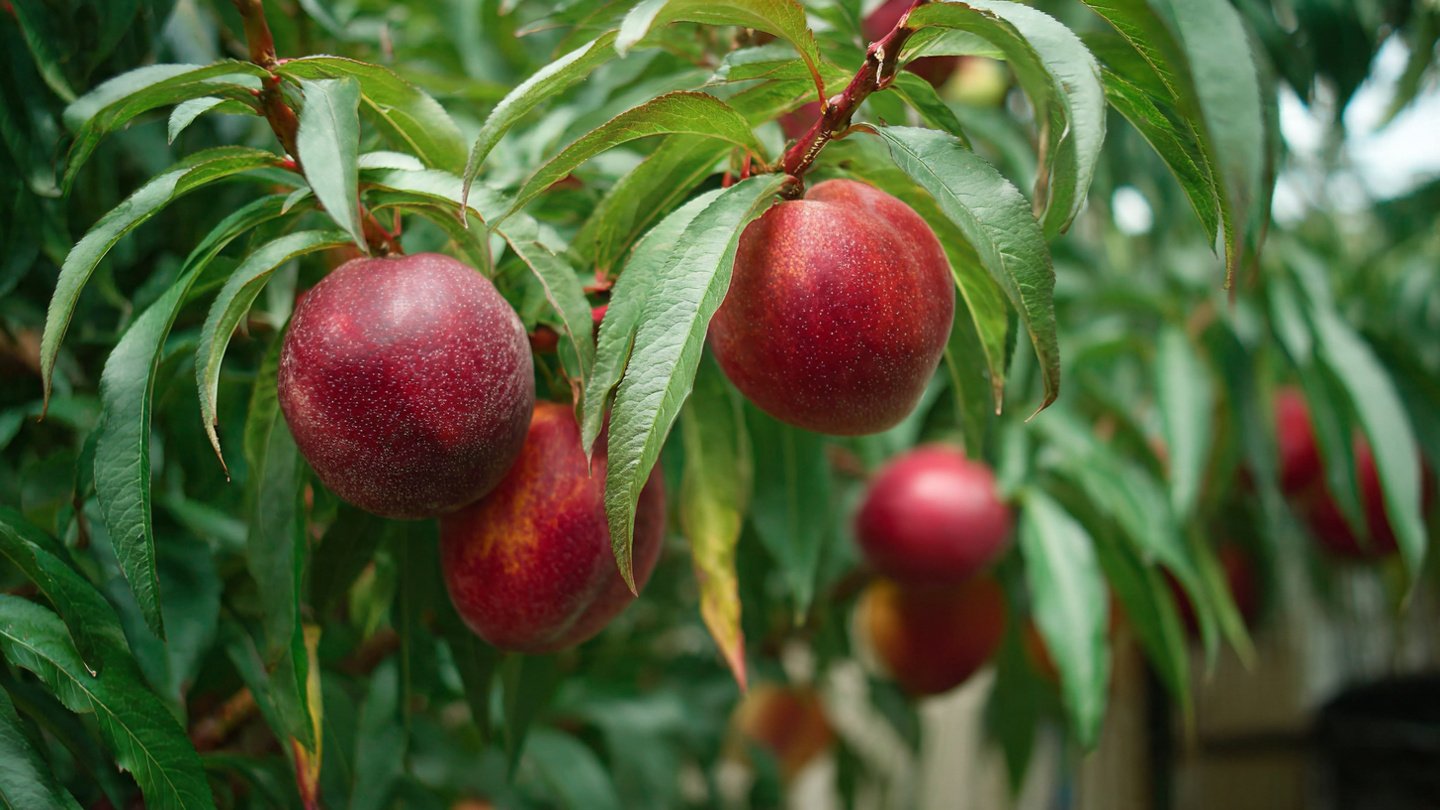
Indoor gardening has gained immense popularity in recent years, owing to its convenience and the ability to cultivate fresh produce year-round. Among the many fruits that can be grown indoors, nectarines stand out for their sweet taste and vibrant color. This article will guide you through essential tips for cultivating nectarines in your indoor garden, helping you achieve a bountiful harvest.
Understanding Nectarines
Nectarines are a smooth-skinned variant of peaches, belonging to the genus Prunus. They are loaded with vitamins A and C, fiber, and antioxidants, making them a healthy addition to your diet. Cultivating nectarines indoors requires a bit of planning and care, but the rewards are well worth the effort.
Choosing the Right Variety
Before starting your indoor nectarines cultivation, it’s crucial to select the right variety. Dwarf varieties are the best for indoor growth due to their smaller size and adaptability to pots. Some popular varieties include:
- Garden Prince: A semi-dwarf variety that produces sweet and juicy nectarines.
- Bonanza: Another dwarf variety known for its early ripening fruit.
- Nectarine Fantasia: Grows well in containers and provides large nectarines.
When selecting seeds or young plants, ensure they are disease-resistant and suitable for indoor conditions.
Ideal Growing Conditions
1. Light Requirements
Nectarines thrive in full sunlight. To ensure robust growth, place your plants near south-facing windows where they can receive at least 6 to 8 hours of direct sunlight daily. If natural light is insufficient, consider using grow lights that emit a full spectrum suitable for fruiting plants.
2. Temperature and Humidity
Nectarines prefer warm temperatures between 70°F to 80°F (21°C to 27°C) during the day and around 60°F to 65°F (15°C to 18°C) at night. Maintaining humidity levels between 40% and 60% is also essential. If indoor humidity is low, you may need to mist the plants or use a humidifier.
3. Potting and Soil
Choose a container that is at least 12 to 16 inches in diameter to allow the roots to spread. Make sure it has drainage holes to prevent waterlogging.
For soil, a well-draining potting mix with a pH level between 6.0 and 6.5 works best. You can create your blend by combining potting soil, perlite, and compost for nutrients and aeration.
Watering and Fertilization
1. Watering
Nectarines require consistent watering, especially during the growing season. However, it’s crucial to avoid overwatering. Check the soil moisture level by inserting your finger about an inch deep. If it feels dry, it’s time to water. Ensure that excess water drains from the bottom of the pot.
2. Fertilization
During the growing season (spring and summer), feed your nectarine plants every 4-6 weeks with a balanced fertilizer, preferably one high in potassium to promote fruit development. During the dormant season (fall and winter), you can reduce or stop fertilization.
Pruning and Training
Pruning helps maintain the shape of your nectarine plants, encourages bushier growth, and improves airflow. Here are some tips:
- Prune in Late Winter or Early Spring: This is the ideal time to remove dead or unhealthy branches and shape the plant.
- Remove Suckers: These are shoots that grow from the base and can divert energy away from fruit production.
- Thin Fruits: When young fruit starts to develop, thinning them will ensure better fruit size and quality.
Training the plant to grow upwards can also maximize your indoor space. Using stakes or trellises can help with this.
Pollination
Nectarines can be self-pollinating, but having more than one tree can improve the yield. Indoor plants may not always attract pollinators; hence, you might need to hand-pollinate. Using a small brush or cotton swab, gently collect pollen from the flower’s anthers and transfer it to the stigma of another flower.
Pest Management
Pests such as aphids, spider mites, and whiteflies can pose a threat to indoor nectarines. Regularly inspect your plants and take action if you notice any pests. Here are a few methods to manage them:
- Neem Oil: This natural pesticide is effective against many common pests.
- Insecticidal Soap: A mild solution can safely remove pests without harming the plant.
- Sticky Traps: Placing these traps around your plants can catch flying pests.
Harvesting
Once the nectarines achieve a rich color and yield slightly to pressure, they are ready for harvest. Unlike some fruits, nectarines do not continue to ripen significantly after being picked, so ensure they are fully developed on the tree. Handle the fruits gently to avoid bruising.
FAQs
1. Can I grow nectarines from seeds?
Yes, you can grow nectarines from seeds, but it requires patience and specific conditions. Keep in mind that seed-grown trees may take several years to bear fruit and may not produce fruit identical to the parent.
2. How often should I water my indoor nectarines?
Watering frequency depends on environmental conditions. Generally, water when the top inch of soil feels dry. Aim for consistent moisture, but avoid overwatering.
3. Do nectarines need a lot of light?
Yes, nectarines require at least 6 to 8 hours of direct sunlight daily. If natural light is insufficient, supplement with grow lights.
4. How can I protect my plants from pests?
Regularly inspect your plants and use natural pesticides like neem oil if needed. Maintaining proper air circulation and humidity can also reduce pest problems.
5. When will my indoor nectarines start producing fruit?
Indoor nectarines may take 2 to 3 years after planting to produce fruit. Factors like care, light, and temperature can influence this timeline.
6. What’s the best way to prune my indoor nectarine tree?
Prune during late winter or early spring. Remove dead or diseased branches and thin out overly crowded areas to improve airflow.
7. How can I tell when nectarines are ripe?
Ripe nectarines will have a rich color and yield slightly to gentle pressure. They should also emit a sweet aroma.
Conclusion
Cultivating nectarines indoors can be a rewarding experience. With the right variety, proper care, and a bit of patience, you can enjoy a delicious harvest of sweet nectarines. By following these essential tips, beginners can successfully navigate the intricacies of indoor fruit gardening. Each step—from choosing the right seeds to harvesting ripe fruit—contributes to your overall success. Happy gardening!