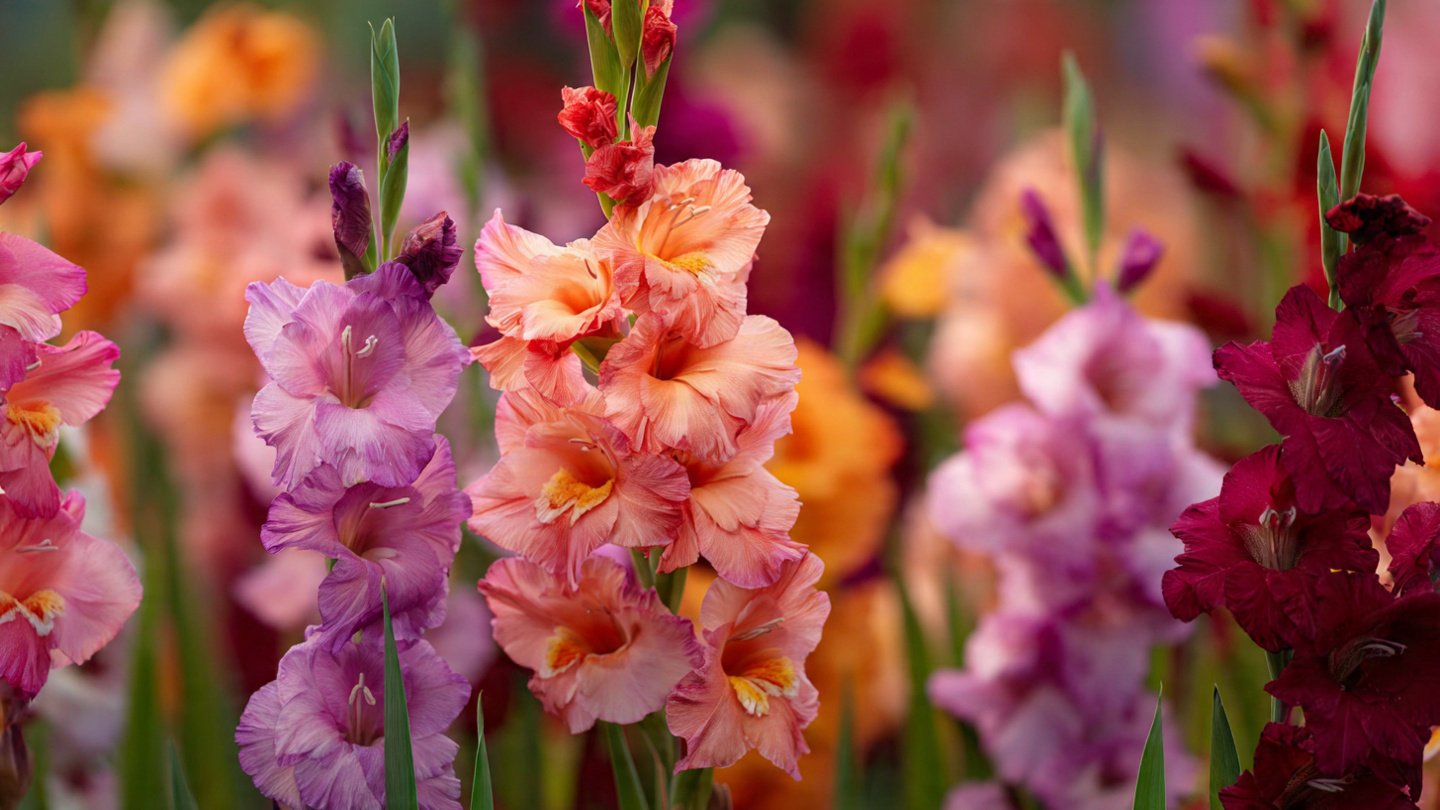
Gladiolus, often referred to as the “sword lily,” is a spectacular flowering plant celebrated for its tall, colorful spikes and elegant blossoms. With a myriad of colors and forms, gladiolus can be a striking addition to any garden. In this article, we will explore how to cultivate beautiful gladiolus blooms throughout the seasons, ensuring your garden remains vibrant and stunning all year round.
Understanding Gladiolus
Botanical Characteristics
Gladiolus (Genus: Gladiolus) belongs to the Iridaceae family and comprises over 250 species, primarily found in southern Africa. These perennial bulbs grow from corms, which store nutrients and energy, enabling new growth each year. Gladiolus blooms typically range in color from soft pastels to vivid hues, and their airily vertical flowers make them ideal for borders, cut flower arrangements, and even container gardening.
Seasonal Growth Cycles
Gladiolus experiences distinct phases throughout the seasons:
- Spring (Planting Phase): New corms should be planted in spring after the last frost.
- Summer (Blooms Beacon): Gladiolus flowers begin to bloom from mid-summer to late summer, radiating their beauty.
- Fall (Post-Bloom Care and Harvesting): After blooming, it’s essential to care for the plants and prepare for dormancy.
- Winter (Resting Phase): Gladiolus corms enter dormancy, requiring specific conditions for proper storage.
Planting Gladiolus: The Basics
Choosing the Right Location
Selecting the ideal location for your gladiolus is crucial. These sun-loving plants thrive in:
- Full Sun: At least 6-8 hours of direct sunlight daily.
- Well-drained Soil: Gladiolus prefers loamy, rich soil with good drainage to prevent rot.
Preparing the Soil
- Soil Testing: Conduct a soil test to check pH (ideal range is 6.0-7.0) and nutrient values.
- Amending Soil: Depending on test results, amend the soil with organic matter such as compost or aged manure to enhance fertility and drainage.
Planting Corms
- Timing: After the last frost date but before summer heat arrives.
- Depth: Plant corms 4-6 inches deep and 4-6 inches apart to allow for air circulation and growth.
- Orientation: Ensure the pointed end of the corm faces upward when planting.
Watering and Fertilization
Watering Schedule
Proper watering is critical for healthy growth:
- Initial Watering: Water immediately after planting.
- Regular Watering: Keep the soil consistently moist but avoid waterlogging. Typically, gladiolus requires about 1-1.5 inches of water per week. Adjust based on rainfall.
Fertilization
- Pre-planting Fertilizer: Before planting, incorporate a balanced fertilizer into the soil to provide essential nutrients.
- Mid-season Boost: Apply a high-potassium fertilizer as flowers start to develop to enhance blooming.
Caring for Gladiolus During Blooming Season
Staking Tall Stems
As gladiolus grows, their tall flower spikes may require staking:
- Use bamboo stakes or soft ties to support stems as they grow.
- Stake when plants reach about a foot tall to prevent damage during windy conditions.
Weed and Pest Management
Maintaining a clean garden can prevent competition and pest issues:
- Weeding: Regularly remove weeds that might compete for nutrients and water.
- Pest Control: Watch for aphids, thrips, and onion maggots. Organic pest control methods, such as insecticidal soap or neem oil, can effectively manage infestations.
Post-Bloom Care and Preparing for Dormancy
Deadheading
After blooming, cut the flower spikes just above the foliage. This practice conserves the plant’s energy for future growth while enhancing the garden’s appearance.
Foliage Care
Do not rush to remove the foliage:
- Allow the leaves to die back naturally. The green leaves continue to photosynthesize, feeding the corms for the next growth cycle.
Harvesting Corms
- Timing: When foliage has completely turned yellow and dried (usually late fall).
- Digging Up Corms: Carefully dig up the corms with a spade, taking care not to damage them.
- Curing: Allow corms to cure in a cool, dry place for 1-2 weeks before storage.
Storing Corms
- Storage Conditions: Store corms in a cool, dark, and dry location, such as a basement or cellar, ideally at temperatures between 50-60°F (10-15°C).
- Container: Use mesh bags or well-ventilated cardboard boxes to store corms. Avoid sealing them in plastic bags, as moisture buildup can lead to rot.
Choosing Varieties for Seasonal Interest
To ensure continuous blooms between seasons, consider selecting a variety of gladiolus types:
- Early Blooming Varieties: ‘Priscilla’, ‘Charming Beauty’ — bloom early in summer.
- Mid-Season Varieties: ‘Black Beauty’, ‘White Prosperity’ — peak during the height of summer.
- Late Blooming Varieties: ‘Gladys’, ‘Apple Blossom’ — continue blooming late into the summer.
Gladiolus in Container Gardening
For those with limited space, gladiolus can be grown in containers:
- Container Selection: Choose pots that are at least 12 inches deep with drainage holes.
- Soil: Use a premium potting mix enriched with organic matter.
- Watering: Containers may require more regular watering as they dry out faster.
FAQs
1. How long do gladiolus blooms last?
Gladiolus blooms typically last for about one to two weeks, but with staggered planting, you can enjoy blooms throughout the summer.
2. Can gladiolus survive winter?
In regions with mild winters, gladiolus corms can be left in the ground with adequate protection. However, in cooler climates, it’s best to dig them up and store them as mentioned above.
3. What pests are common with gladiolus, and how can I manage them?
Common pests include aphids, thrips, and nematodes. You can manage these pests using organic insecticidal soaps or pesticides and ensuring good garden hygiene.
4. What should I do if my gladiolus plants don’t bloom?
If your plants aren’t blooming, check for insufficient sunlight, overcrowding, or nutrient deficiency. Ensuring proper care and maintenance often resolves these issues.
5. Can I grow gladiolus in partial shade?
While gladiolus prefers full sun, it can tolerate partial shade. However, this may result in fewer flowers and weaker plants.
6. How often should I fertilize my gladiolus?
Fertilize your gladiolus once before planting and again as flowers begin to develop. A balanced fertilizer or one high in potassium is beneficial.
7. Are gladiolus toxic to pets?
Gladiolus are not considered highly toxic, but ingestion can cause mild gastrointestinal upset in pets. It’s best to keep them out of reach of curious animals.
Conclusion
Cultivating beautiful gladiolus blooms requires attention to detail, proper care, and knowledge of their growth cycles. By following the strategies outlined in this article, you can create a stunning garden display with these elegant flowers that will captivate onlookers and brighten your outdoor spaces all year round. Whether in borders, containers, or cut arrangements, gladiolus can bring a vibrant touch to your garden with their graceful beauty. Start planting and enjoy the spectacular show they put on!