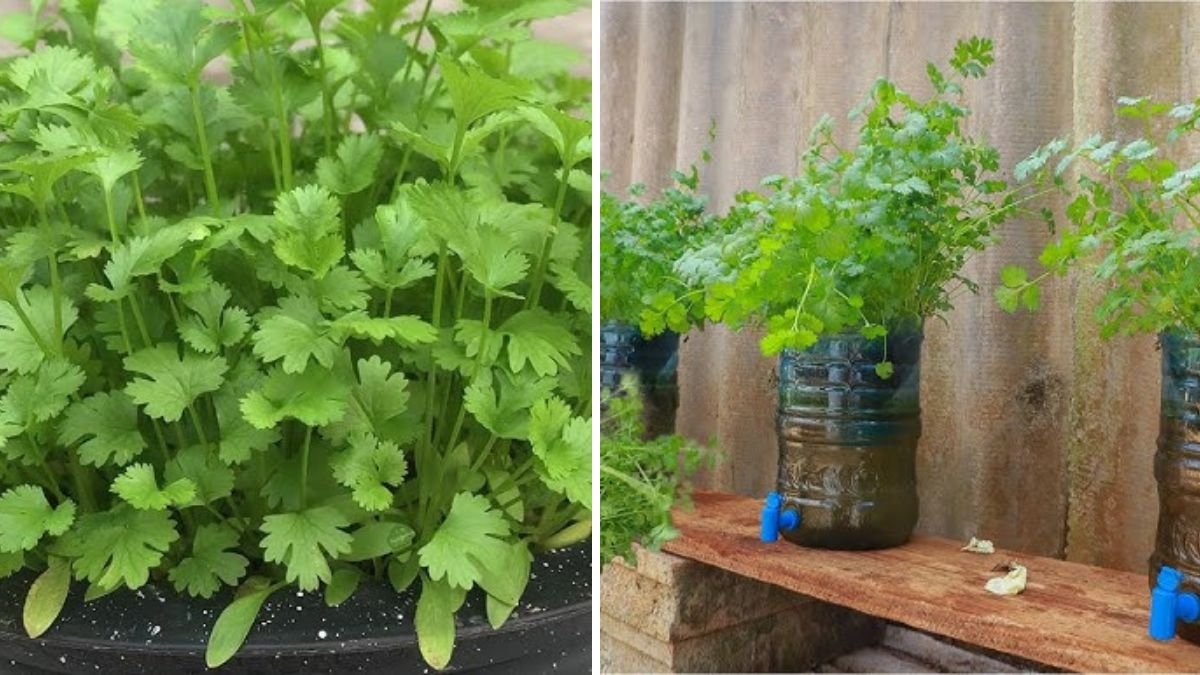
Coriander, also known as cilantro or dhania, is a highly popular herb in kitchens worldwide. Its fresh leaves, seeds, and stems add flavor, aroma, and nutrition to countless dishes. Growing coriander at home is not only cost-effective and sustainable, but it also ensures fresh, pesticide-free herbs whenever you need them.
In this guide, we explore a unique method of coriander cultivation using a tub, making it accessible even for those with limited space. This method is perfect for balconies, terraces, or small gardens, and it guarantees healthy, lush coriander plants.
🌿 Why Grow Coriander at Home?
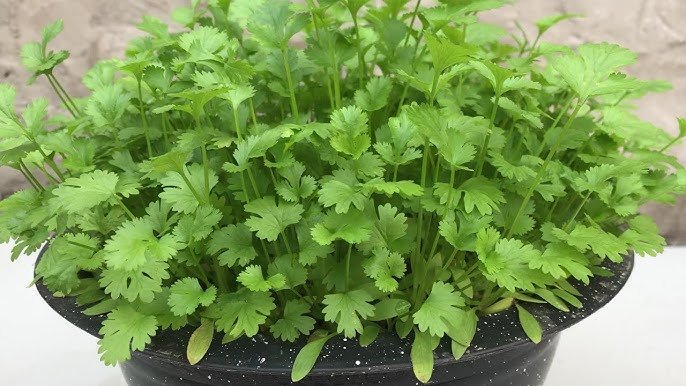
Home-grown coriander has several advantages over store-bought options:
- Freshness: Enjoy vibrant, aromatic leaves straight from your garden.
- Nutrition: Rich in vitamins A, C, and K, along with minerals like potassium and calcium.
- Cost-effective: Seeds are inexpensive and produce multiple harvests.
- Space-saving: Ideal for urban gardeners with limited outdoor space.
- Pesticide-free: Control what goes into your plants, making them safe for consumption.
Using a tub for cultivation adds convenience, portability, and uniqueness to your home gardening experience.
🪴 Choosing the Right Tub for Coriander Cultivation
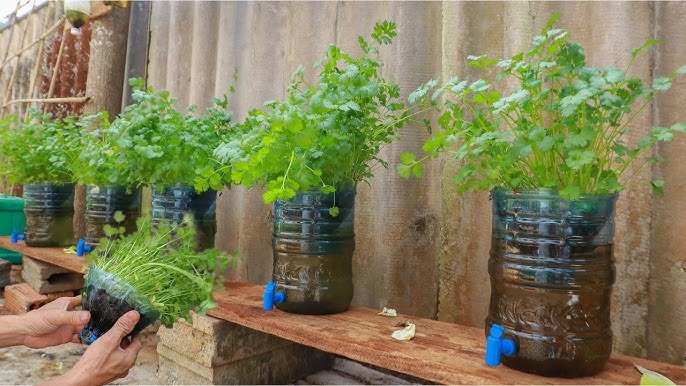
The success of coriander cultivation in a tub depends on choosing the right container:
- Size: A tub of at least 12–16 inches in diameter and 10–12 inches deep allows proper root development.
- Material: Plastic, ceramic, or metal tubs are suitable; plastic is lightweight and easy to move.
- Drainage: Ensure the tub has holes at the bottom for water drainage to prevent root rot.
- Shape: A wide tub allows multiple plants to grow together, maximizing your harvest.
Tip: Using an old, clean tub is a sustainable and eco-friendly choice for home gardeners.
🌱 Soil Preparation for Coriander
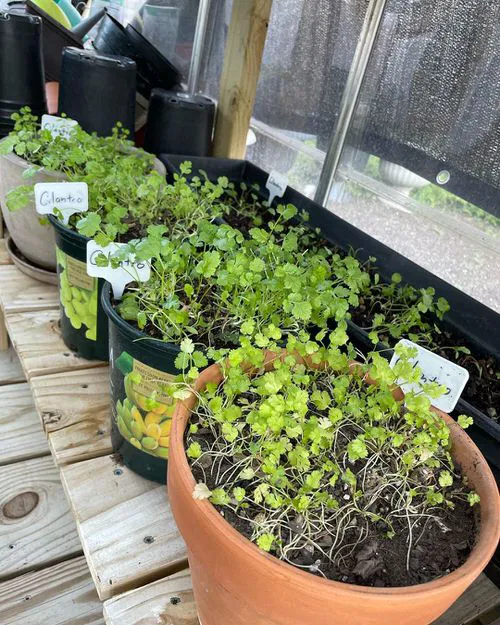
Coriander grows best in well-draining, fertile soil with a slightly acidic to neutral pH (6.2–7.0).
Step-by-Step Soil Preparation:
- Mix garden soil, compost, and sand in a 2:1:1 ratio for optimal drainage and nutrition.
- Add organic fertilizer or vermicompost to enrich the soil.
- Ensure the soil is loose and crumbly for easy root penetration.
- Fill the tub with soil, leaving 1–2 inches at the top for watering.
Pro Tip: Avoid heavy clay soils in the tub, as they retain water and may cause root rot.
✂️ Sowing Coriander Seeds in Tub
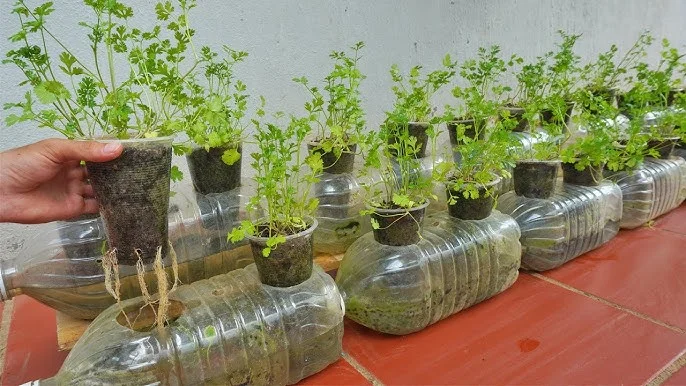
Coriander can be directly sown into the tub for fast and easy cultivation.
Step-by-Step Sowing:
- Soak coriander seeds in warm water for 8–10 hours to enhance germination.
- Sprinkle seeds evenly on the soil surface or plant ½ inch deep.
- Cover lightly with soil and press gently.
- Water the tub gently to moisten the soil.
- Place the tub in partial sunlight for the first 4–5 days to encourage germination.
Tip: Seeds usually germinate within 7–10 days under optimal conditions.
☀️ Sunlight and Temperature Requirements
Coriander prefers cool, sunny conditions for healthy growth:
- Ideal temperature: 17°C–25°C
- Light: 4–6 hours of sunlight daily
- Avoid extreme heat, as coriander may bolt (flower prematurely)
- Partial shade works well in hotter climates to prevent leaf scorching
Pro Tip: Move the tub indoors or to a shaded area during hot afternoons for continuous growth.
💧 Watering and Moisture Care
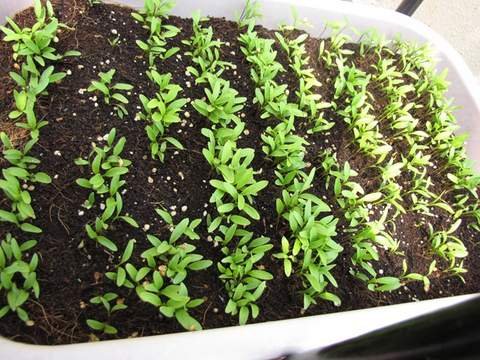
Coriander requires consistent moisture without waterlogging:
- Water regularly to keep the soil moist but not soggy.
- Use a watering can or spray bottle to avoid washing away seeds.
- Mulch lightly with dry leaves or straw to retain soil moisture.
Tip: Overwatering can cause root rot, so ensure proper drainage in the tub.
🌿 Fertilization for Healthy Growth
Organic fertilizers support lush, green leaves:
- Apply vermicompost or compost tea every 2–3 weeks.
- Nitrogen-rich fertilizers promote leafy growth, ideal for coriander harvesting.
- Avoid over-fertilization, which can reduce flavor.
Pro Tip: Use slow-release organic fertilizers to maintain a steady supply of nutrients.
🌱 Harvesting Coriander from Tub
Coriander grows quickly and can be harvested multiple times:
- First harvest: 4–6 weeks after sowing when plants are 6–8 inches tall.
- Method: Cut leaves about 1 inch above the soil, leaving stems to regrow.
- Continuous harvest: Regular trimming encourages bushy growth and fresh leaves.
- Seed collection: Let some plants flower to collect coriander seeds for future planting.
Tip: Avoid harvesting more than one-third of the plant at a time to ensure continuous growth.
🐛 Pest and Disease Management
Coriander is relatively hardy but can face some pests:
Common Pests:
- Aphids: Spray neem oil or mild soap solution
- Leaf miners: Remove affected leaves and encourage beneficial insects
- Cutworms: Protect seedlings with collars or barriers
Common Diseases:
- Powdery mildew: Ensure good air circulation and avoid overhead watering
- Root rot: Maintain well-draining soil
- Bolting: Prevent excessive heat stress to avoid premature flowering
Pro Tip: Regularly inspect leaves and maintain hygiene to reduce pest infestations.
🌸 Unique Benefits of Tub Cultivation
Growing coriander in a tub has several unique advantages:
- Mobility: Easily move tubs for sunlight or shade adjustments.
- Space-saving: Ideal for balconies, terraces, or small patios.
- Control: Manage soil quality, moisture, and pest protection easily.
- Extended season: Move indoors during extreme weather to prolong growth.
- Creative gardening: Decorate your space with multiple tubs for continuous harvest.
🔁 Creative Ideas for Home Coriander Tub Garden
- Vertical Tub Garden: Stack multiple tubs for space-efficient cultivation.
- Mixed Herb Garden: Combine coriander with mint, basil, or parsley in a tub.
- Window Box Planting: Use rectangular tubs on windowsills for easy harvesting.
- Decorative Containers: Choose colorful tubs to enhance balcony or patio aesthetics.
- Succession Planting: Sow new seeds every 2–3 weeks for a constant supply.
These ideas make coriander cultivation fun, practical, and visually appealing.
🌟 Culinary Uses of Home-Grown Coriander
Fresh coriander enhances taste and nutrition in many dishes:
- Garnish for curries, soups, and salads
- Ingredient in chutneys, sauces, and dips
- Flavoring in rice, biryani, and wraps
- Fresh coriander juice for health benefits
Tip: Using freshly harvested leaves elevates flavor compared to store-bought herbs.
🌿 Final Thoughts
Coriander cultivation in a tub is a unique, simple, and rewarding way to grow fresh herbs at home. With proper seed selection, soil preparation, sunlight, watering, and organic care, you can enjoy lush coriander plants all year round.
Whether you have a small balcony, terrace, or garden, this method allows you to grow aromatic, nutrient-rich coriander conveniently and sustainably. Start today, and bring the fresh taste, fragrance, and beauty of coriander right into your home!
Fresh, green, and homegrown—your tub of coriander is just a few steps away!