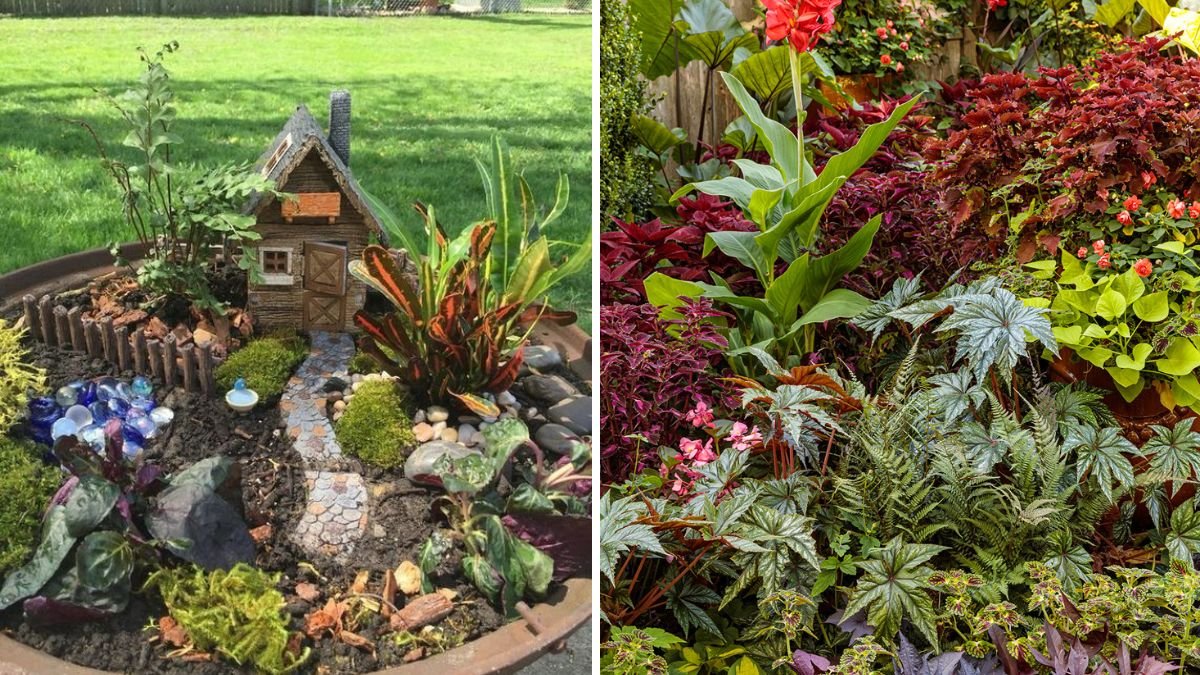
Gardening is more than just planting flowers or vegetables—it’s a way to bring life, color, and tranquility to your outdoor spaces. With thoughtful planning and creative ideas, outdoor gardening can transform your backyard, terrace, or garden into a vibrant paradise. Whether you have a large backyard or a small outdoor area, there are countless ways to make your outdoor space both functional and visually appealing.
This guide will explore innovative outdoor gardening ideas, practical tips for growing plants, and creative ways to design your garden so it becomes a sanctuary for relaxation and beauty.
Why Outdoor Gardening Matters
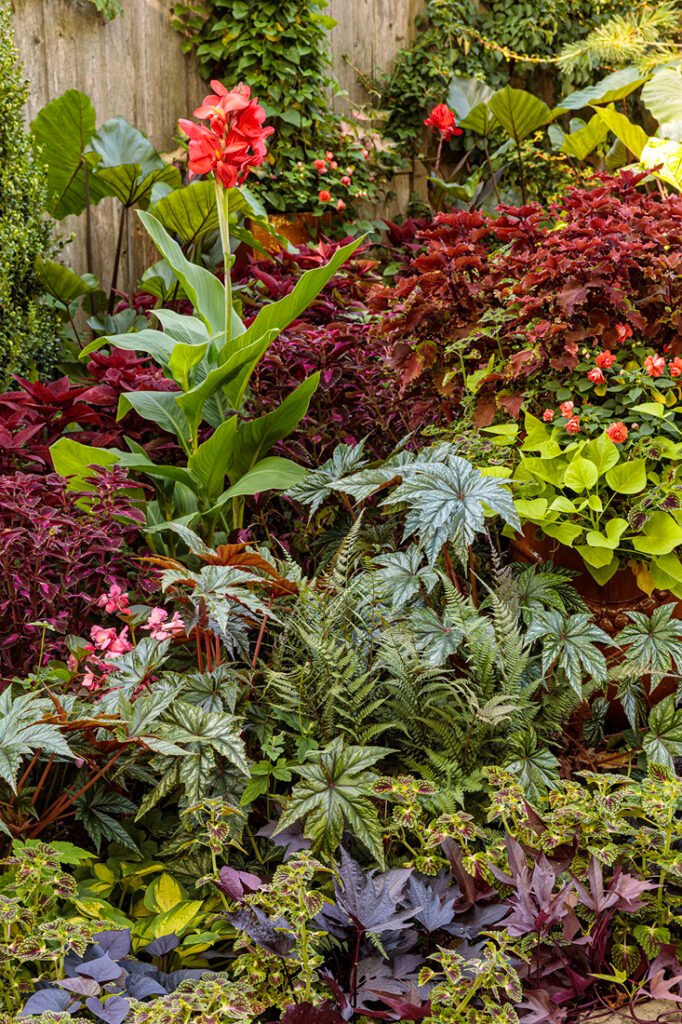
- Mental and Physical Health: Gardening reduces stress, promotes physical activity, and connects you with nature.
- Aesthetic Appeal: A well-designed garden enhances the beauty of your home and creates a welcoming environment.
- Food Security: Growing vegetables, fruits, and herbs outdoors provides fresh, organic produce.
- Environmental Benefits: Gardens support biodiversity, improve air quality, and reduce urban heat.
- Recreational Space: Outdoor gardens provide a place for relaxation, family gatherings, and creative expression.
Planning Your Outdoor Garden
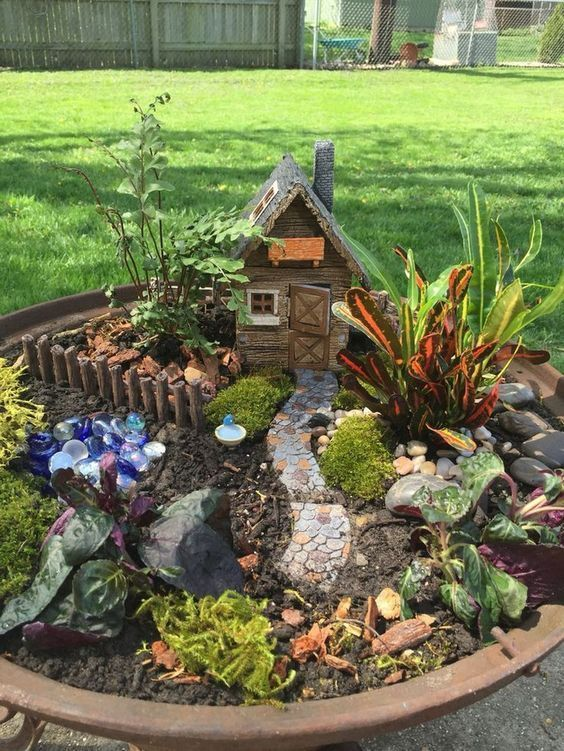
Before planting, consider the following steps to ensure a successful and beautiful garden:
1. Assess Your Space:
- Observe sunlight patterns, soil type, and drainage.
- Determine how much area you want to dedicate to plants versus pathways or seating.
2. Define Your Goals:
- Do you want a flower garden, vegetable garden, or a combination?
- Are you aiming for aesthetic beauty, practical food production, or both?
3. Choose a Garden Style:
- Formal Garden: Symmetrical, structured, often with trimmed hedges and pathways.
- Cottage Garden: Informal, overflowing with colorful flowers and aromatic herbs.
- Zen or Japanese Garden: Minimalist, emphasizing rocks, water features, and tranquility.
- Modern Garden: Sleek lines, geometric designs, and contemporary planters.
4. Create Zones:
- Separate areas for vegetables, flowers, herbs, seating, and decorative elements.
- Consider vertical gardening or raised beds to maximize space in smaller outdoor areas.
Outdoor Gardening Ideas
Here are some creative ideas to make your outdoor space vibrant and functional:
1. Raised Vegetable Beds
- Perfect for growing vegetables like tomatoes, peppers, spinach, and lettuce.
- Raised beds improve drainage, soil quality, and make harvesting easier.
2. Flower Borders and Beds
- Plant seasonal flowers along walkways, fences, or garden edges for bursts of color.
- Combine perennials and annuals for continuous blooms throughout the year.
3. Vertical Gardens
- Use trellises, hanging pots, or wall-mounted planters to grow climbers like beans, ivy, or morning glory.
- Ideal for small outdoor spaces or walls that need greenery.
4. Herb Gardens
- Grow culinary and aromatic herbs like basil, mint, rosemary, and thyme in dedicated sections.
- Herb gardens are both functional and visually appealing.
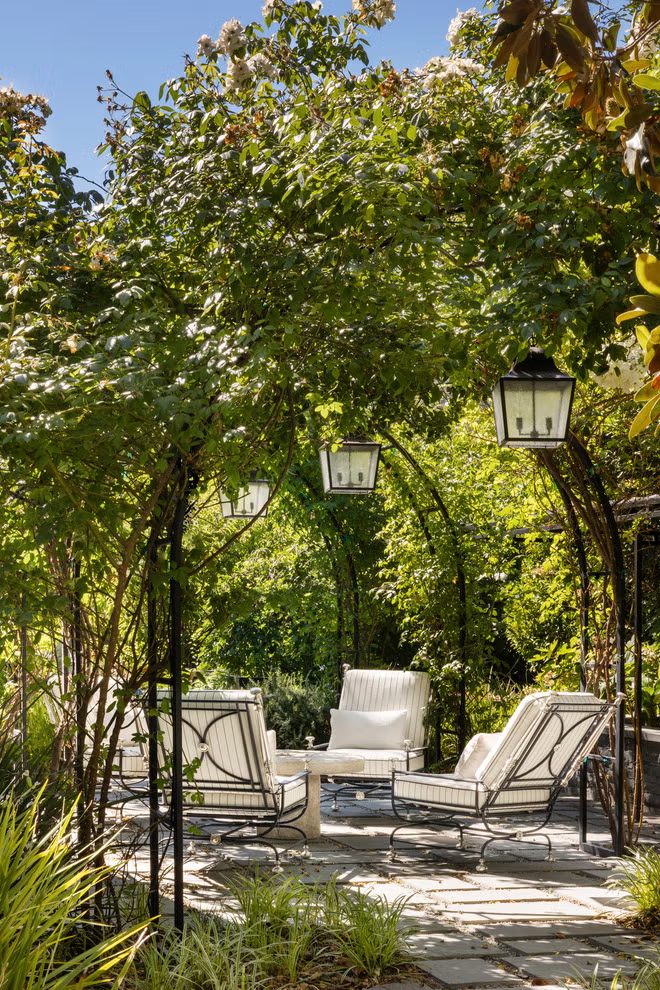
5. Outdoor Seating Areas
- Incorporate benches, hammocks, or swing chairs surrounded by plants for a cozy retreat.
- Use climbing plants or pergolas to create shaded, comfortable spots.
6. Water Features and Ponds
- Small fountains, ponds, or birdbaths attract wildlife and add tranquility.
- Combine aquatic plants like lilies with rocks and pebbles for a natural look.
7. Pathways and Garden Decor
- Use stone, brick, or gravel paths to guide visitors through your garden.
- Add decorative elements like garden statues, lanterns, or wind chimes for charm.
8. Container Gardening
- Use pots, barrels, or recycled containers to grow flowers, vegetables, or shrubs.
- Container plants are easy to move and rearrange for seasonal displays.
Choosing Plants for Outdoor Gardens
Selecting the right plants is crucial for a thriving garden. Consider:
- Climate and Season: Choose plants suited to your local climate and the current season.
- Sunlight Requirements: Full sun, partial shade, or shade-loving plants depending on your garden.
- Soil Type: Test soil for pH, fertility, and drainage; amend with compost if necessary.
- Plant Height and Spread: Plan tall plants at the back and shorter ones at the front for visual balance.
- Bloom Time: Mix early, mid, and late bloomers for a garden that looks alive all year.
Some popular outdoor plants include:
- Flowers: Marigold, hibiscus, bougainvillea, zinnias, and roses.
- Vegetables: Tomatoes, peppers, spinach, beans, and cabbage.
- Herbs: Mint, basil, coriander, rosemary, and thyme.
- Shrubs and Trees: Hibiscus, croton, mango, and guava trees.
Maintaining Your Outdoor Garden
To ensure a flourishing garden, consistent care is essential:
1. Watering:
- Water early in the morning or late in the evening to minimize evaporation.
- Adjust frequency based on plant type and weather conditions.
2. Fertilization:
- Use organic compost or fertilizers to enrich the soil.
- Follow plant-specific nutrient requirements for optimal growth.
3. Pruning and Trimming:
- Regularly remove dead or overgrown branches to encourage healthy growth.
- Shape plants for aesthetic appeal and air circulation.
4. Pest and Disease Management:
- Monitor plants for pests like aphids, caterpillars, or fungal infections.
- Use natural remedies such as neem oil or homemade sprays to control infestations.
5. Mulching:
- Apply a layer of organic mulch around plants to retain moisture, reduce weeds, and improve soil fertility.
Creative Outdoor Garden Projects
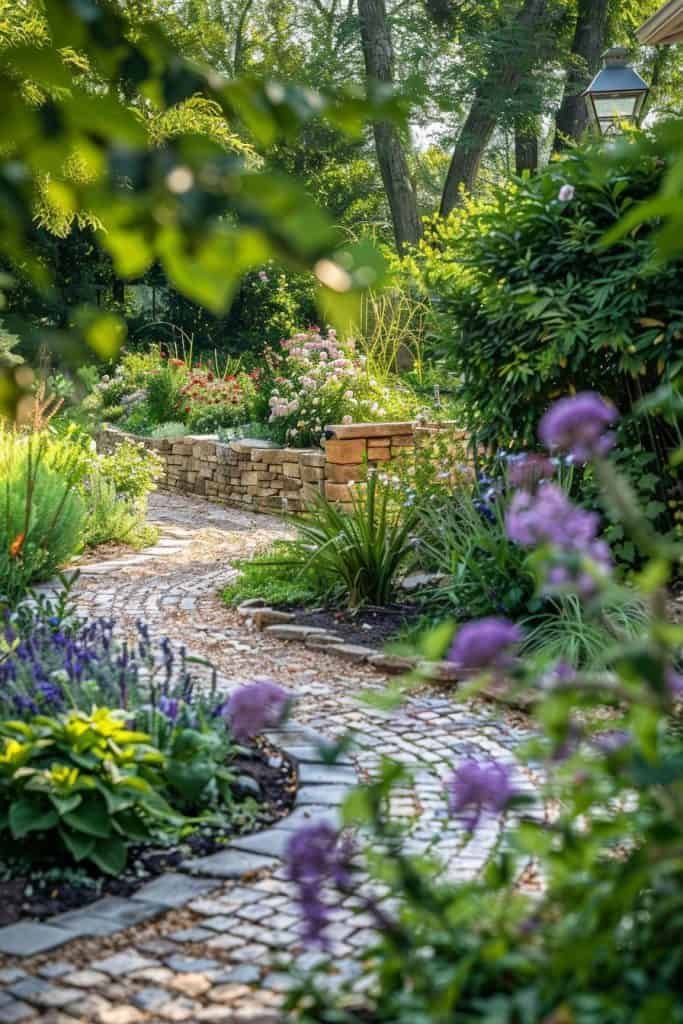
- Themed Gardens: Create a butterfly, pollinator, or sensory garden with plants that attract wildlife and stimulate senses.
- Edible Landscaping: Combine vegetables, fruits, and herbs in decorative layouts for beauty and functionality.
- DIY Garden Art: Paint rocks, make plant markers, or craft garden sculptures for personalization.
- Seasonal Rotation: Plant seasonal flowers and vegetables to keep your garden fresh and colorful year-round.
- Recycled Garden Projects: Use old bottles, tires, or pallets as planters and garden decor, adding sustainability to creativity.
Benefits of Outdoor Gardening
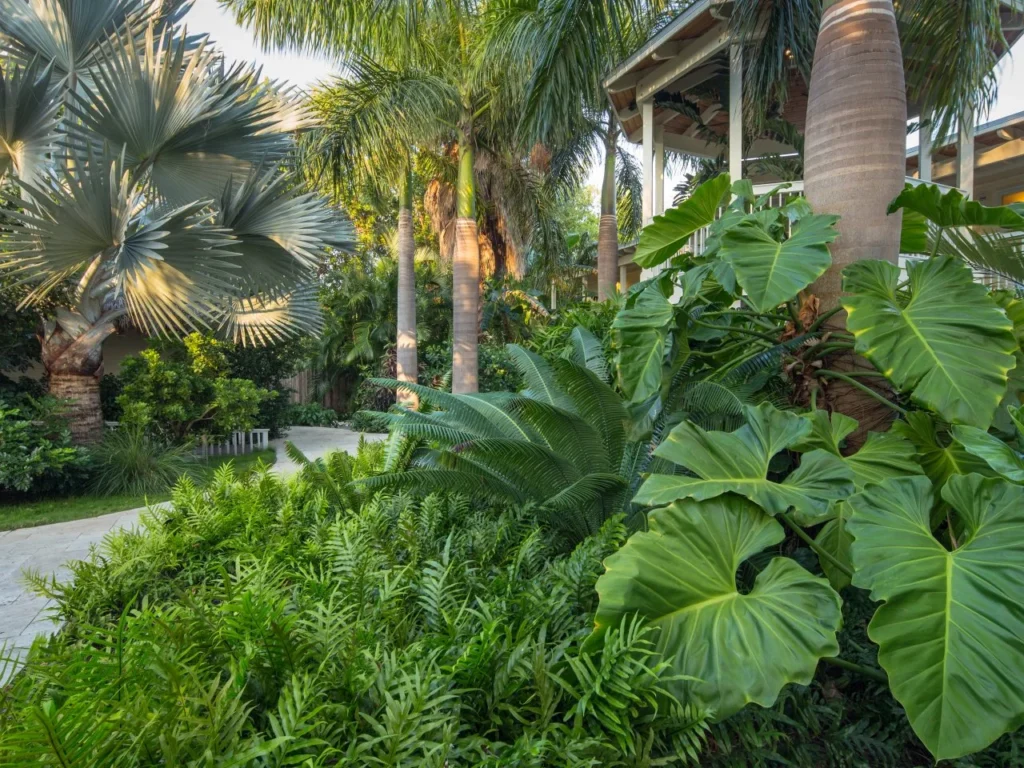
- Mental Health: Gardening reduces stress, boosts mood, and encourages mindfulness.
- Physical Fitness: Digging, planting, and pruning provide moderate exercise.
- Environmental Impact: Gardens reduce carbon footprint, support pollinators, and improve air quality.
- Home Value: A beautiful garden enhances property value and curb appeal.
- Family Engagement: Gardening can be a shared activity, teaching children about nature, patience, and nutrition.
Conclusion
Outdoor gardening is a fulfilling and versatile hobby that transforms any space into a lush, vibrant sanctuary. By implementing creative ideas like raised beds, vertical gardens, herb corners, and decorative elements, you can make your garden visually stunning, functional, and environmentally friendly.
With proper planning, plant selection, and care, your outdoor space can serve as a source of beauty, relaxation, and fresh produce. From flowering borders to edible landscapes, every garden has the potential to become a personal paradise.
Start small, experiment with plant arrangements, and gradually expand your outdoor gardening space. Whether you are seeking serenity, fresh vegetables, or a stunning visual impact, outdoor gardening offers endless opportunities to bring nature closer to home.