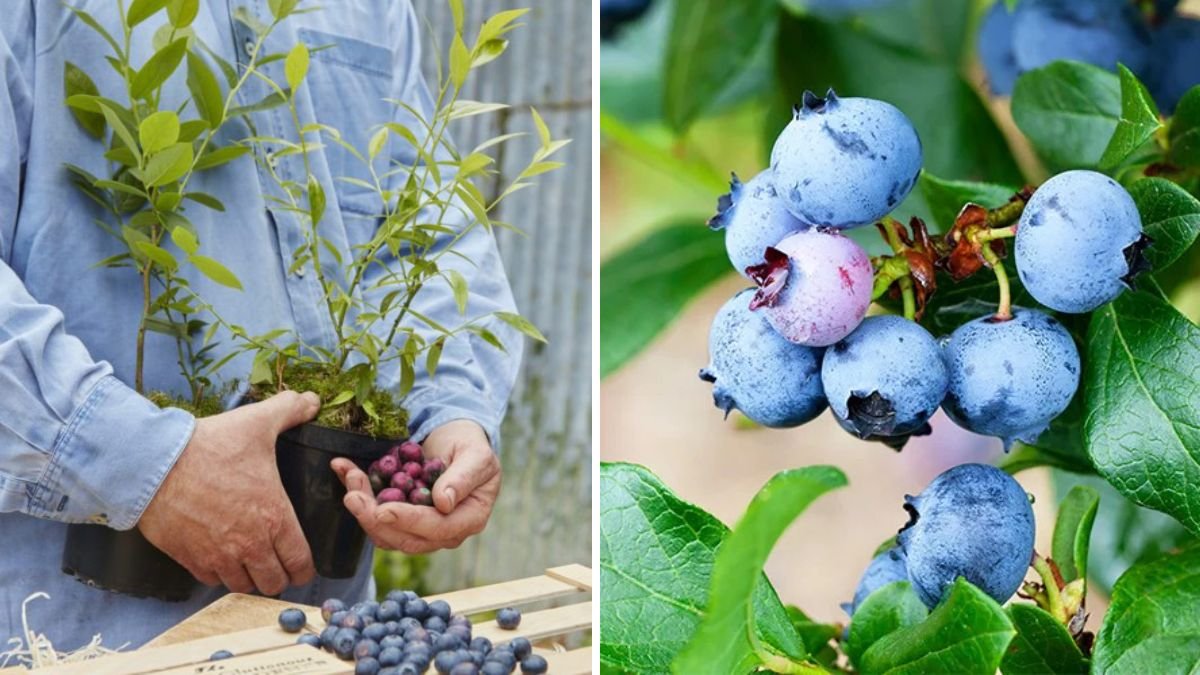
Blueberries are not only delicious but also packed with antioxidants, vitamins, and nutrients that promote overall health. Imagine plucking fresh, sweet blueberries from your own garden or balcony—no supermarket trips, no pesticides, just pure, homegrown goodness. Growing blueberries at home is entirely possible, whether you have a backyard, patio, or just a few pots.
In this comprehensive guide, we’ll cover everything from choosing the right varieties and soil preparation to planting, care, and harvesting, so you can enjoy a bountiful blueberry crop.
🌱 Introduction: Why Grow Blueberries at Home?
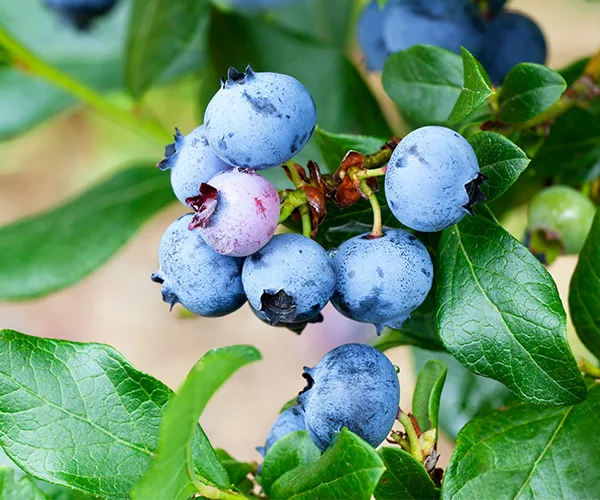
Blueberries are increasingly popular due to their health benefits:
- Rich in antioxidants that support heart health
- Low in calories, high in fiber
- Boost brain health and immunity
Growing blueberries at home allows you to:
- Control pesticide use and soil quality
- Harvest fresh berries at peak ripeness
- Save money on expensive supermarket berries
- Enjoy the satisfaction of growing your own food
🫐 Step 1: Choosing the Right Blueberry Variety
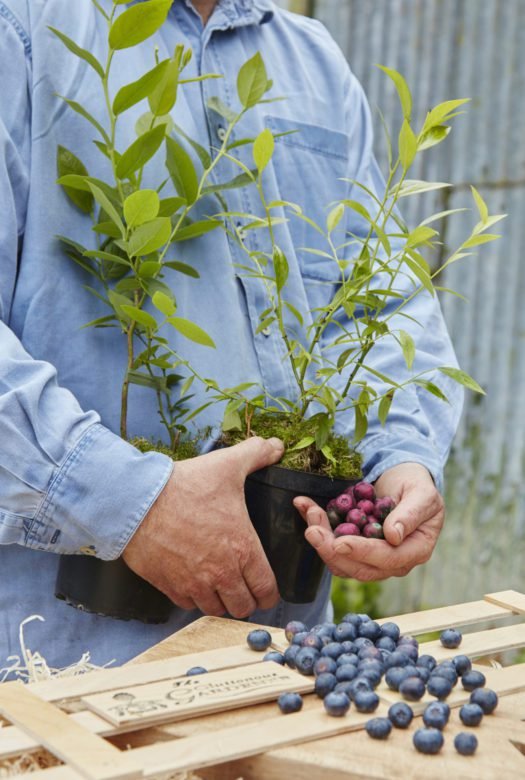
Blueberries are generally classified into three types:
1️⃣ Highbush Blueberries
- Most common for home gardens
- Tall plants (4–6 feet)
- Suitable for colder climates
- Produces large, sweet berries
2️⃣ Lowbush Blueberries
- Dwarf varieties (1–2 feet)
- Hardy and cold-tolerant
- Ideal for ground cover or containers
- Smaller berries but highly flavorful
3️⃣ Rabbiteye Blueberries
- Native to the southern U.S.
- Heat-tolerant
- Can grow up to 8 feet
- Requires cross-pollination for better fruit set
Tip: For container gardening or balconies, dwarf highbush varieties like ‘Top Hat’ or ‘Jelly Bean’ are ideal.
🌿 Step 2: Soil Requirements
Blueberries are acid-loving plants, meaning they thrive in low pH soil (4.5–5.5).
✔️ Soil Characteristics:
- Well-draining, loamy soil
- Rich in organic matter
- High in humus content
- Retains moisture but does not stay waterlogged
✔️ Soil Preparation:
- Test soil pH using a kit.
- Lower pH using sulfur, pine needles, or peat moss if necessary.
- Mix compost or well-rotted organic matter to improve fertility.
Tip: Avoid alkaline soils; blueberries will struggle and produce few berries.
💧 Step 3: Choosing the Right Planting Location
✔️ Light Requirements:
- Full sun (6–8 hours per day)
- Morning sun is ideal; afternoon shade can prevent heat stress
✔️ Space Considerations:
- Highbush: 4–6 feet between plants
- Lowbush/dwarf: 2–3 feet apart
- Rabbiteye: 5–6 feet apart
✔️ Containers:
- Use pots of at least 12–15 inches diameter for dwarf varieties
- Ensure proper drainage holes
🫐 Step 4: Planting Blueberries
✔️ Timing:
- Plant in early spring or fall
- Avoid extreme summer heat during planting
✔️ Planting Steps:
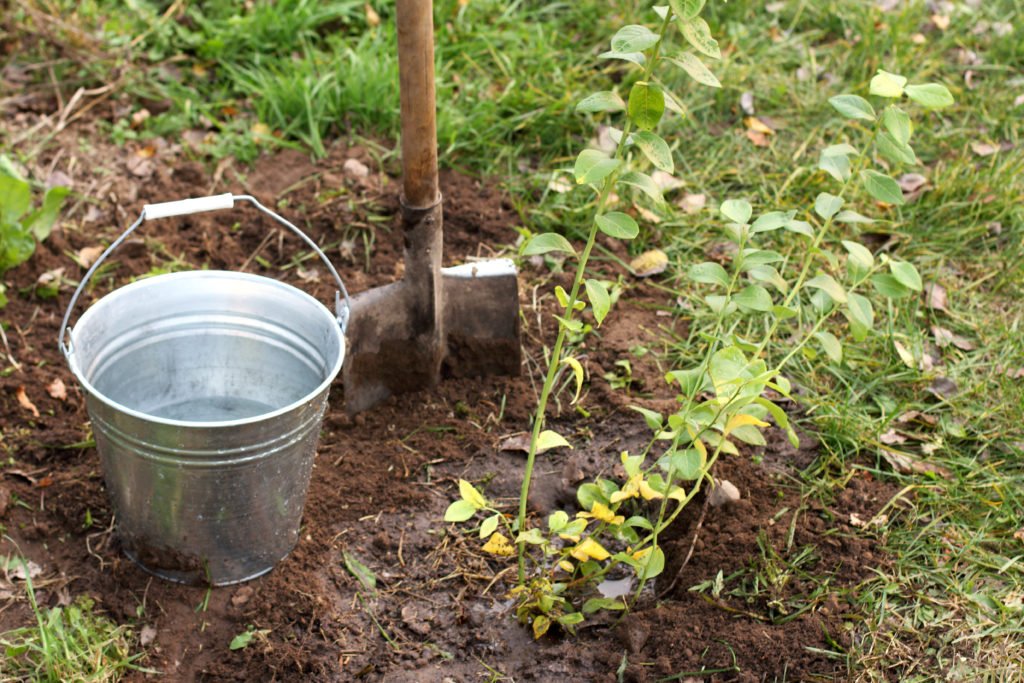
- Dig a hole 2–3 times the root ball size.
- Mix soil with peat moss or acidic compost.
- Place the plant slightly above ground level.
- Fill the hole with soil mix, gently firming around roots.
- Water thoroughly to settle the soil.
Tip: Mulch with pine needles, bark, or wood chips to conserve moisture and maintain acidity.
🌿 Step 5: Watering Requirements
Blueberries have shallow root systems and require consistent moisture:
- Water deeply 1–2 times per week, more often during hot, dry periods
- Avoid waterlogging to prevent root rot
- Mulch helps retain soil moisture and reduce weeds
🌞 Step 6: Fertilizing Blueberries
Blueberries need specific nutrients for growth and fruiting:
✔️ Fertilizer Type:
- Use acidic fertilizers, such as those formulated for azaleas, rhododendrons, or blueberries
- Avoid over-fertilizing with nitrogen; it encourages leaf growth but reduces fruiting
✔️ Fertilizing Schedule:
- Spring: Apply slow-release fertilizer when buds break
- Summer: Light feeding after fruit set
- Avoid fertilizing in late fall to prevent new growth before winter
🌼 Step 7: Pruning Blueberry Plants
Proper pruning improves air circulation, sunlight exposure, and fruit production.
✔️ When to Prune:
- Late winter or early spring before new growth begins
✔️ How to Prune:
- Remove dead, weak, or diseased branches
- Cut older stems to encourage new growth
- Maintain 6–8 main stems for highbush varieties
Tip: Pruning helps plants stay manageable and increases berry size and yield.
🐝 Step 8: Pollination
Blueberries are partially self-pollinating but produce better yields with cross-pollination.
✔️ Tips:
- Plant 2–3 compatible varieties nearby
- Encourage bees and pollinators by avoiding pesticides during flowering
- Hand pollination with a soft brush can increase fruit set for indoor or container plants
🫐 Step 9: Common Problems and Solutions
❌ Poor Fruit Set
- Cause: Lack of pollination or high nitrogen
- Solution: Introduce pollinators, adjust fertilizer
❌ Yellow Leaves
- Cause: Nutrient deficiency or incorrect pH
- Solution: Test soil, adjust pH, apply appropriate fertilizer
❌ Pests
- Aphids, spider mites, and birds can damage berries
- Solution: Use organic sprays, nets, or companion planting
❌ Fungal Diseases
- Powdery mildew or leaf spot
- Solution: Ensure good airflow, prune properly, apply organic fungicides
🌟 Step 10: Harvesting Blueberries
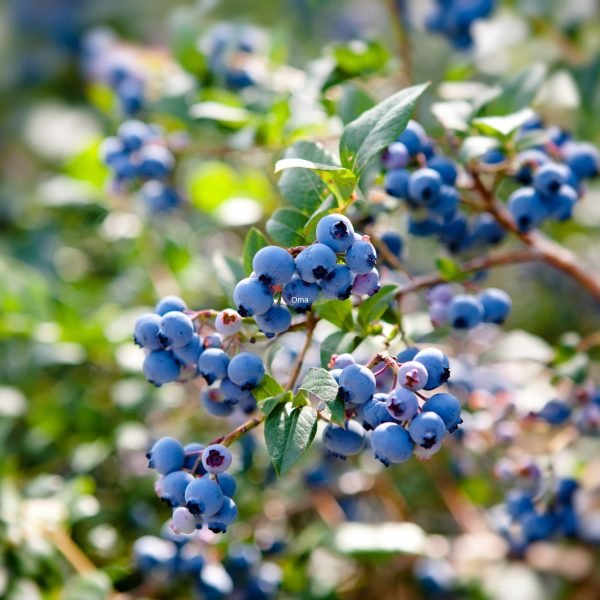
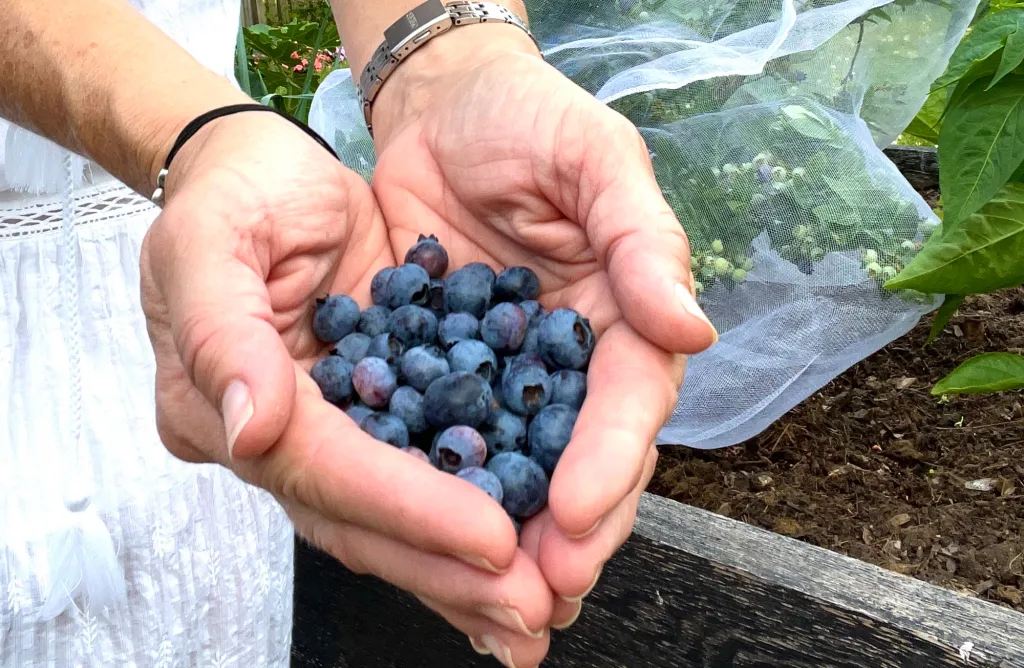
Blueberries are ready to harvest when fully colored, plump, and slightly soft.
✔️ Harvesting Tips:
- Pick berries gently to avoid bruising
- Harvest every few days as berries ripen
- Store in the refrigerator for up to a week
- Freeze for long-term storage
🌳 Step 11: Winter Care
Blueberries require chilling hours for fruiting:
- Protect plants in containers by moving indoors or insulating soil
- Mulch heavily around outdoor plants in colder climates
- Reduce watering in winter to prevent root rot
🌟 Conclusion: Enjoying Homegrown Blueberries
Growing blueberries at home may seem challenging at first, but with proper variety selection, soil preparation, watering, fertilization, and pruning, it’s entirely achievable. Homegrown blueberries are juicy, flavorful, and packed with nutrients, offering the satisfaction of harvesting fresh fruit straight from your garden or balcony.
Start small with a few pots or backyard plants, and with consistent care, you can enjoy continuous blueberry harvests year after year. 🫐🌿