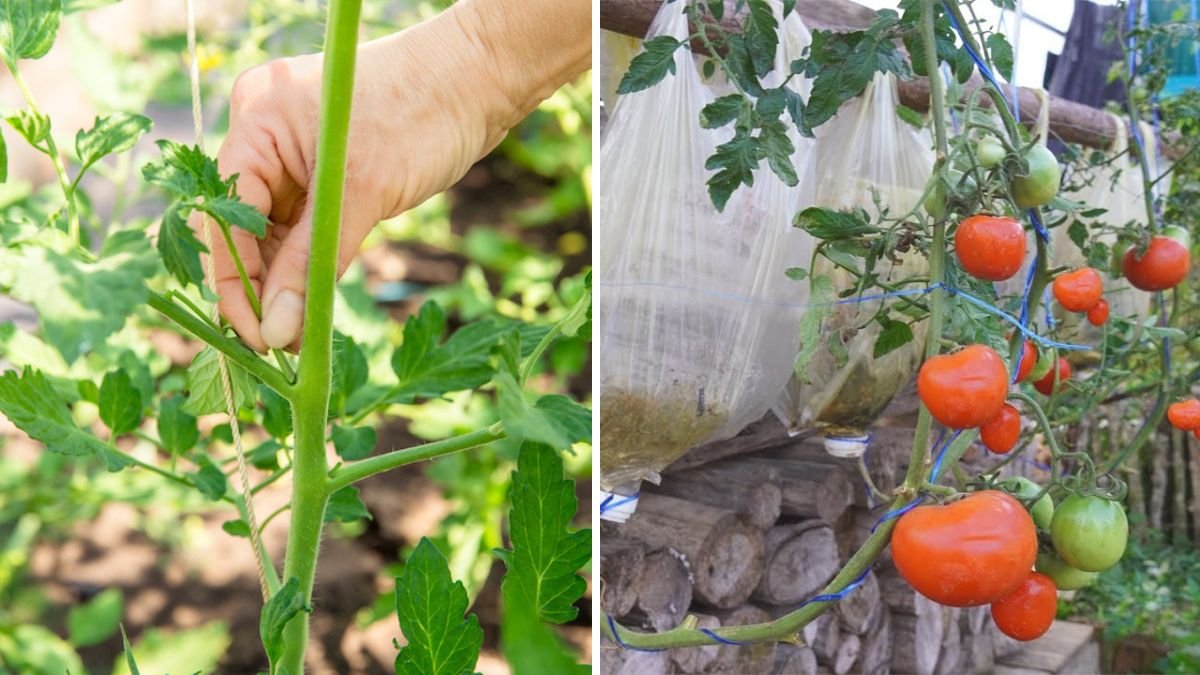
Growing tomatoes is rewarding—but what if you could grow a tomato tree that produces heavy clusters, grows taller, lives longer, and yields more fruits than ordinary plants? Yes! It’s possible through tomato tree grafting, a clever horticultural technique used by gardeners and farmers to boost production, disease resistance, and plant longevity.
Tomato grafting has become increasingly popular worldwide—especially in tropical regions—because it helps plants withstand soil-borne diseases, heat stress, and drought. With the right technique and rootstock, you can transform your tomato plants into vigorous, high-yielding “tomato trees.”
This complete 1200-word guide will teach you everything you need—from selecting the best rootstock, choosing scions, grafting techniques, aftercare, and tips to grow a long-living tomato tree at home.
🌱 Introduction: What Is a Tomato Tree?
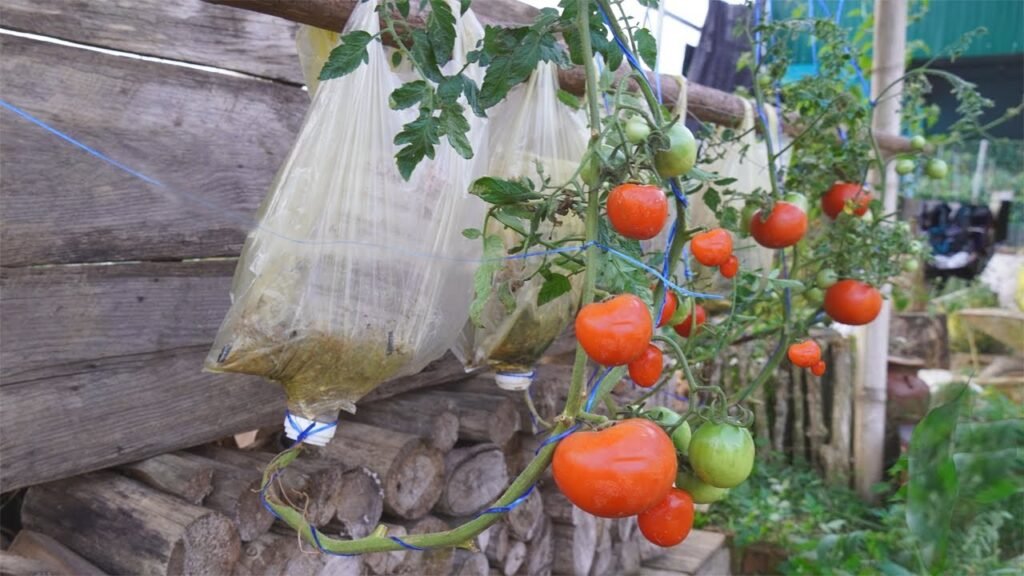
A “tomato tree” is not a separate tree species. Instead, it’s a grafted tomato plant growing on a strong, disease-resistant, fast-growing rootstock—usually from a hardy tomato variety or a related species like eggplant.
This special rootstock provides:
- Deeper, stronger roots
- Improved nutrient uptake
- Resistance to soil diseases
- Longer lifespan
- Ability to grow taller and wider than normal tomatoes
When you graft a high-yielding tomato variety (scion) onto such a powerful rootstock, the result is a super productive, tree-like tomato plant.
🍅 Why Graft Tomatoes? Benefits of Tomato Tree Grafting
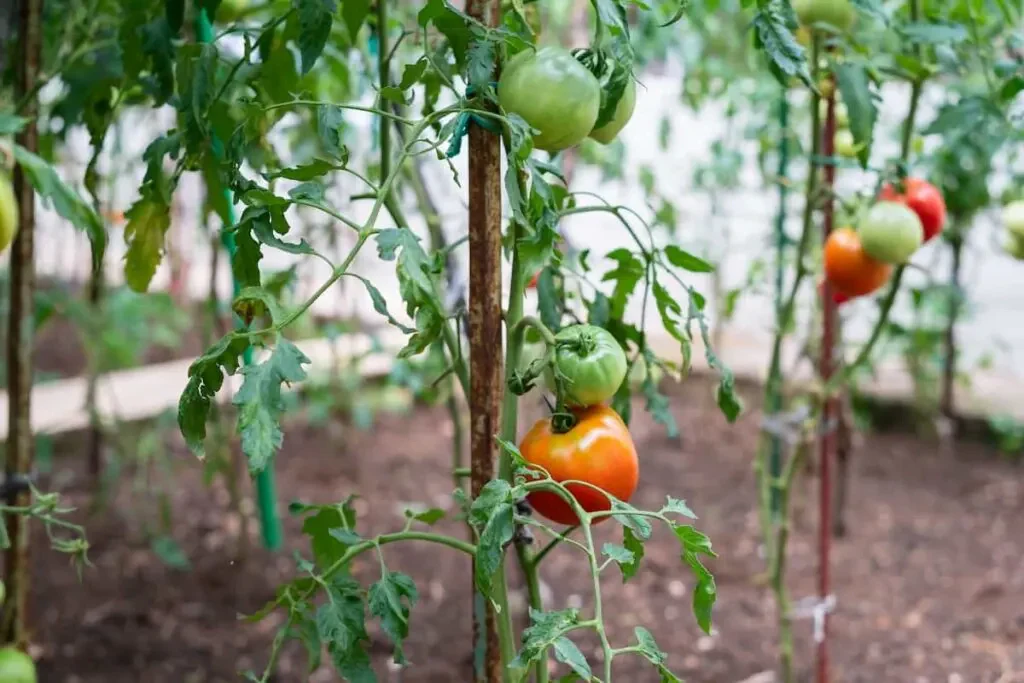
✔️ 1. Superior Disease Resistance
Most tomato plant failures happen due to soil fungus, nematodes, and wilt diseases. Grafting overcomes this by using disease-resistant rootstocks.
✔️ 2. Bigger and Better Fruit Production
Grafted tomato plants often produce:
- More fruit clusters
- Uniform fruits
- Larger harvests over a longer season
✔️ 3. Increased Lifespan
While typical tomato plants live 4–6 months, grafted tomato trees can live up to 1–2 years with proper care.
✔️ 4. Heat and Drought Tolerance
Strong rootstocks improve water absorption and make plants more resilient.
✔️ 5. Grow Heavy-Bearing Varieties Easily
Weak-fruited heirlooms can be supported by a hardy rootstock, enhancing performance.
🌱 Best Rootstocks for Tomato Tree Grafting
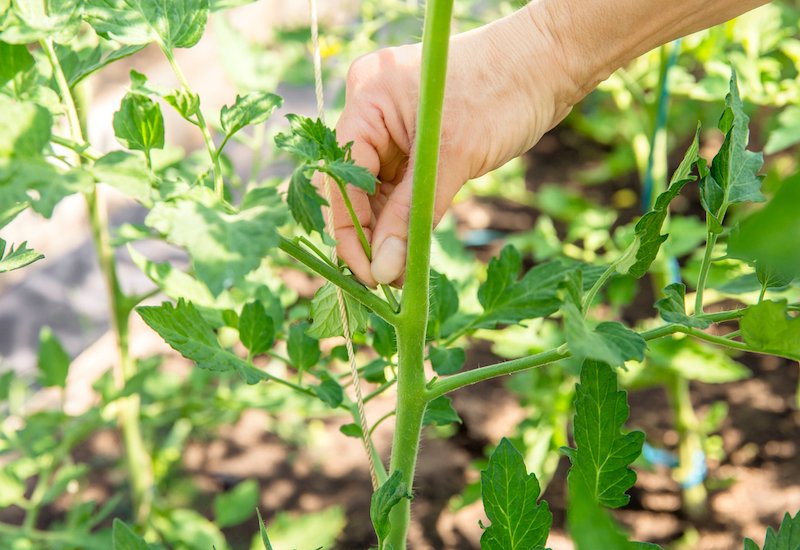
Choosing the right rootstock is the most important factor in creating a strong tomato tree.
⭐ Recommended Rootstocks:
- Wild Tomato Varieties
Highly resistant to diseases and heat. - Eggplant Rootstock
Widely used in India and Asia—eggplants tolerate heat, nematodes, and poor soil. - Hybrid Tomato Rootstocks (commercial)
- “Beaufort”
- “Multifort”
- “Maxifort”
- Local Desi Tomato Plants
Hardy, strong, and extremely adaptable.
✔️ Characteristics of a Good Rootstock:
- Thick stem (pencil thickness)
- 25–35 days old
- Deep green, disease-free
- Growing vigorously
- Strong root system
Avoid weak, stunted, or diseased seedlings.
🌿 Choosing the Best Scion (Top Variety to Graft)
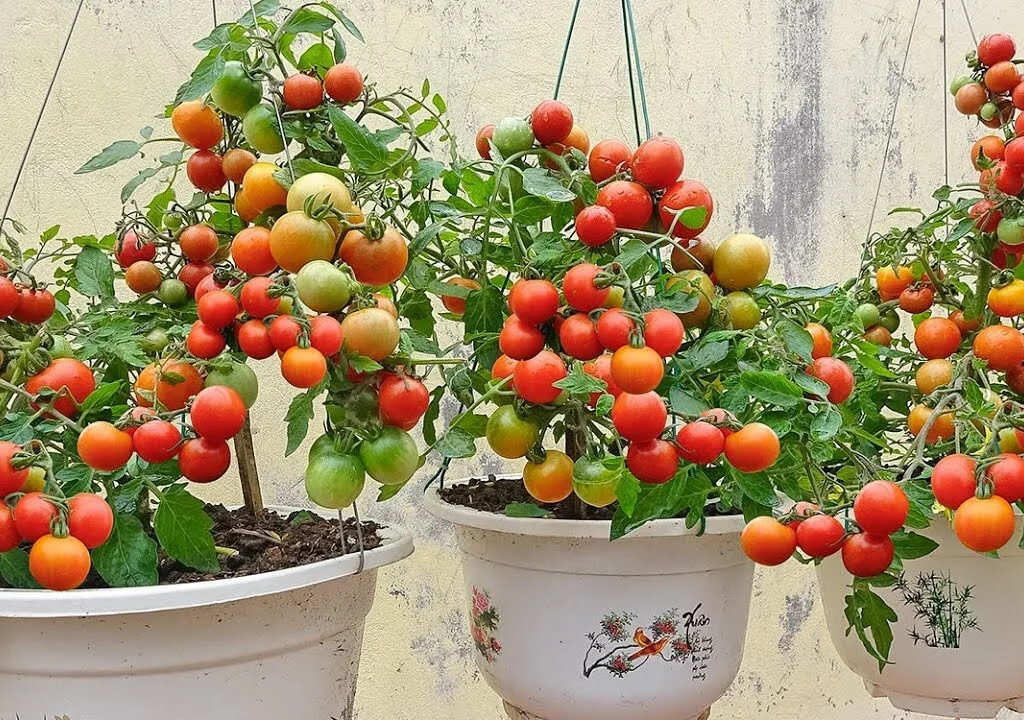
The scion is the top part that produces the fruits.
Popular Choices:
- Hybrid tomatoes (Arka Rakshak, Arka Samrat)
- Cherry tomatoes
- Heirloom tomatoes
- Long-season tomatoes
Choose scions that are:
- Healthy, pest-free
- Young (same age as rootstock)
- With a stem thickness similar to rootstock
🔪 Grafting Methods: Which Is Best for Tomato Trees?
Several grafting techniques are used for tomatoes, but the Tube Grafting / Clef Grafting technique is the easiest and most successful for beginners.
Let’s break down the most effective one:
🌱 1. Tube (Top) Grafting Method – Most Popular
This method gives 85–95% success when done correctly.
✔️ Tools Needed:
- Clean razor or grafting knife
- Silicon grafting clips
- Water spray
- Clean hands
- Disinfectant (for tools)
🪴 Step-by-Step Guide to Tube Grafting Tomatoes
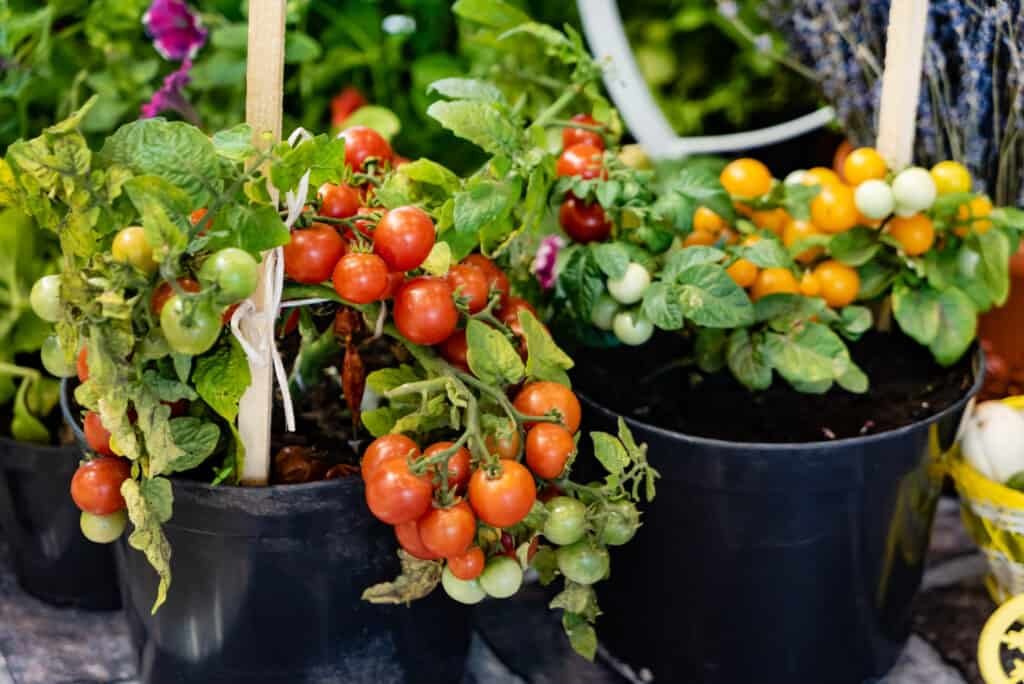
Step 1: Prepare the Seedlings
Grow the rootstock and scion seeds separately but at the same time.
When both seedlings are 3–4 inches tall and the stem is 2–3 mm thick, they are ready for grafting.
Step 2: Make the Cut on the Rootstock
- Cut the rootstock stem at a 45-degree angle, about 2–3 cm above the soil.
- Make sure the cut is clean and smooth.
- Remove the top portion of the rootstock completely.
Step 3: Cut the Scion
- Select a healthy scion seedling.
- Cut the scion stem at the same 45-degree angle, ensuring both cuts match each other.
- Remove any true leaves below the cut.
Step 4: Join the Scion and Rootstock
- Slide a silicone grafting tube/clip over the rootstock.
- Insert the scion’s cut end into the clip.
- Ensure both cuts match perfectly—this is where the tissues fuse.
- The two stems must touch exactly for successful grafting.
Step 5: Secure the Graft
Check if:
- The scion is firm
- The union is tight
- There is no gap between stems
If loose, use a slightly smaller clip.
🌤️ Step 6: Healing Chamber (VERY IMPORTANT)
Newly grafted tomato plants require a humidity-controlled environment for the first 3–5 days.
✔️ Create a Simple Healing Chamber at Home:
- Use a transparent box or bucket
- Line the inside with moist newspaper
- Spray water to maintain humidity
- Keep the grafts inside
- Ensure complete shade for 48 hours
Why is this important?
Because humidity prevents the scion from drying out while the tissues bond together.
🌿 Step 7: Gradual Exposure to Light
Once the graft begins healing:
Day 1–3
Complete shade + high humidity
Day 4–5
Partial shade + ventilation
Day 6–10
Bright indirect light
After 10 days:
- Remove the healing chamber
- Plants can now receive morning sunlight
If scion remains green and firm:
🎉 Success! Your graft is complete.
🌳 How to Train Your Grafted Plant into a Tomato “Tree”
To make the plant grow like a tree:
✔️ 1. Choose a Single Strong Stem
Allow only one main stem to grow.
✔️ 2. Stake or Support the Plant
Use a bamboo stick or tomato cage.
A grafted tomato tree can grow 6–10 feet tall.
✔️ 3. Remove Side Shoots Regularly
This directs energy to main stem growth.
✔️ 4. Use Rich Soil
Mix:
- 40% compost
- 30% garden soil
- 30% cocopeat / sand
✔️ 5. Feed with Balanced Fertilizer
Use:
- NPK 19-19-19
- Or organic compost + seaweed
✔️ 6. Keep the Soil Moist
Do not let the soil dry completely.
Grafted plants require regular watering.
✔️ 7. Protect from Pests
Spray neem oil once a week to avoid:
- Aphids
- Whiteflies
- Caterpillars
🍅 Expected Growth Timeline for Your Tomato Tree
| Time | Growth Stage |
|---|---|
| 0–10 days | Scion attached & healing |
| 10–20 days | New leaf growth |
| 20–35 days | Strong stem development |
| 35–50 days | Rapid height growth |
| 50–70 days | Flowering begins |
| 70–90 days | Heavy fruiting stage |
A well-maintained grafted tomato plant can produce 4–5 times more tomatoes than a regular one.
🛠️ Common Tomato Grafting Problems & Solutions
❌ Scion wilts or dies
➡️ Caused by low humidity — keep it in chamber for minimum 5 days.
❌ Graft breaks
➡️ Use thicker clips or provide gentle support.
❌ Scion not growing
➡️ Rootstock shoots may be stealing energy — remove them immediately.
❌ Rootstock leaf growth
➡️ Always cut off new rootstock branches.
🌟 Conclusion: Grow Your Own High-Yielding Tomato Tree!
Tomato tree grafting is a powerful gardening technique that transforms ordinary tomato plants into strong, long-living, super-productive giants. With the right rootstock, perfect grafting cuts, a humidity chamber, and proper aftercare, anyone can master this skill—even beginners.
You don’t need expensive tools or big space. A small setup at home is enough to create your own tomato tree that will surprise you with its growth, strength, and fruit yield.
Start grafting today and enjoy a continuous supply of juicy, delicious tomatoes for many months—right from your own “tomato tree”! 🌳🍅🌿