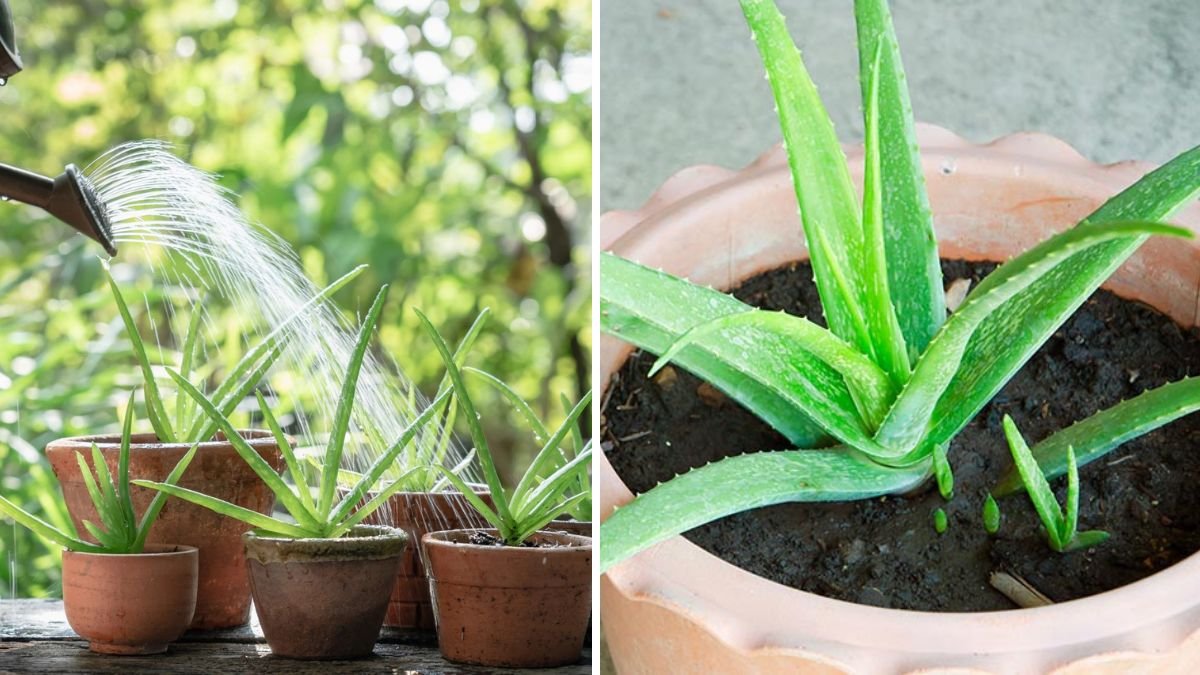
Aloe vera is one of the most popular and beneficial houseplants in the world. Known for its soothing gel, healing properties, and striking appearance, it’s a must-have plant for every home. But even though aloe vera is incredibly hardy, many people unknowingly make simple mistakes that stunt growth, cause rot, or lead to leaf discoloration.
The good news? Aloe vera is one of the easiest plants to grow when you understand its needs. This complete guide will teach you how to care for your aloe vera plant, keep it healthy year-round, and ensure it produces thick, juicy leaves full of pure aloe gel.
Perfect for beginners and busy plant lovers, this all-in-one guide will help you grow aloe like a pro!
1. Why Aloe Vera Is the Perfect Houseplant
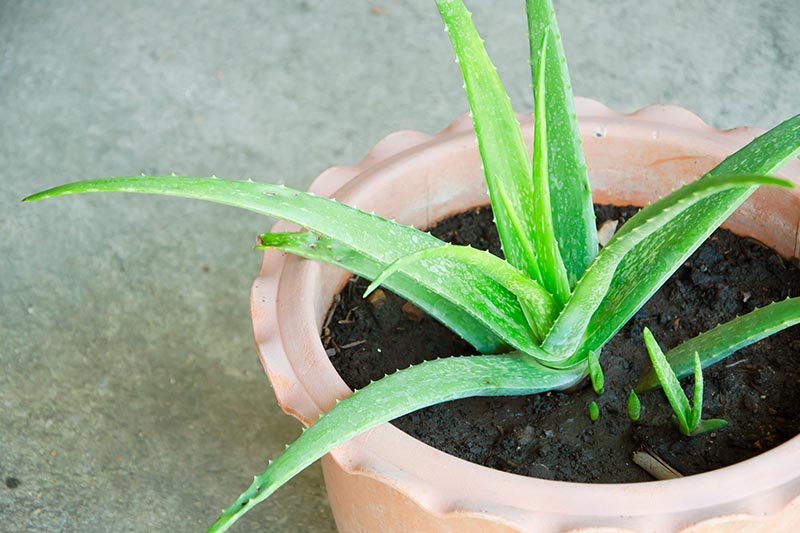
Aloe vera is not just beautiful—it’s also practical. Here’s why it’s ideal for homes, balconies, kitchens, and even offices:
✔ Extremely low maintenance
Aloe grows well even with minimal attention.
✔ Natural air purifier
It filters toxins and improves indoor air quality.
✔ Amazing medicinal uses
Aloe gel helps with burns, acne, cuts, hair care, and digestion.
✔ Drought-tolerant
It stores water in its leaves and survives long dry spells.
✔ Grows both indoors and outdoors
A very flexible plant that adapts easily.
With the right care, a single aloe plant can grow for years and produce many “pups” or baby plants.
2. Understanding Aloe Vera’s Natural Habitat
Knowing where aloe comes from helps us understand how to care for it. Aloe vera is native to:
- Hot climates
- Dry deserts
- Sandy soils
- High sunlight regions
This means aloe prefers:
- Fast-draining soil
- Lots of sunlight
- Minimal watering
If you recreate these conditions, your aloe will thrive effortlessly.
3. Choosing the Right Pot
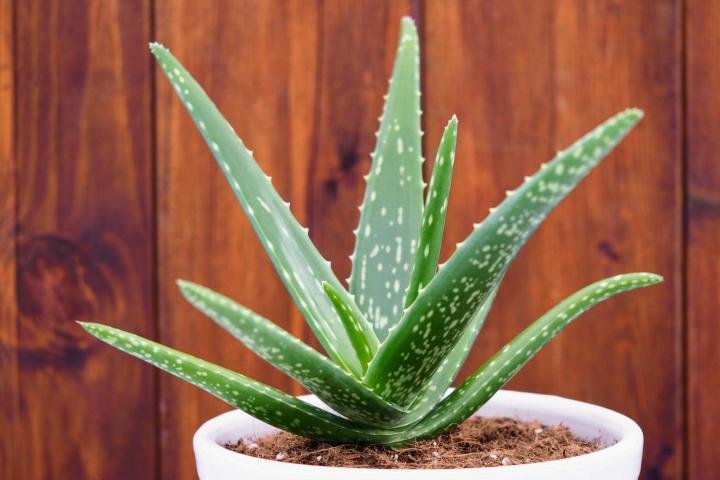
Aloe vera’s pot is one of the most important factors in keeping it healthy.
✔ Best Pot Material
- Terracotta or clay is the best because it absorbs moisture and prevents root rot.
✔ Pot Size
- Medium size: 6–8 inches
- Not too deep; aloe has shallow roots.
✔ Drainage
Your pot must have drainage holes. Aloe hates sitting in water—even for a day.
4. The Perfect Soil Mix for Aloe Vera
To keep your aloe healthy, you need fast-draining soil.
Best Potting Mix:
- 50% cactus or succulent mix
- 25% sand
- 25% compost or coco peat
You can also make your own mix:
- 40% garden soil
- 40% sand/perlite
- 20% compost
Remember: Dense, wet soil is aloe’s biggest enemy.
5. How to Plant or Repot Aloe Vera
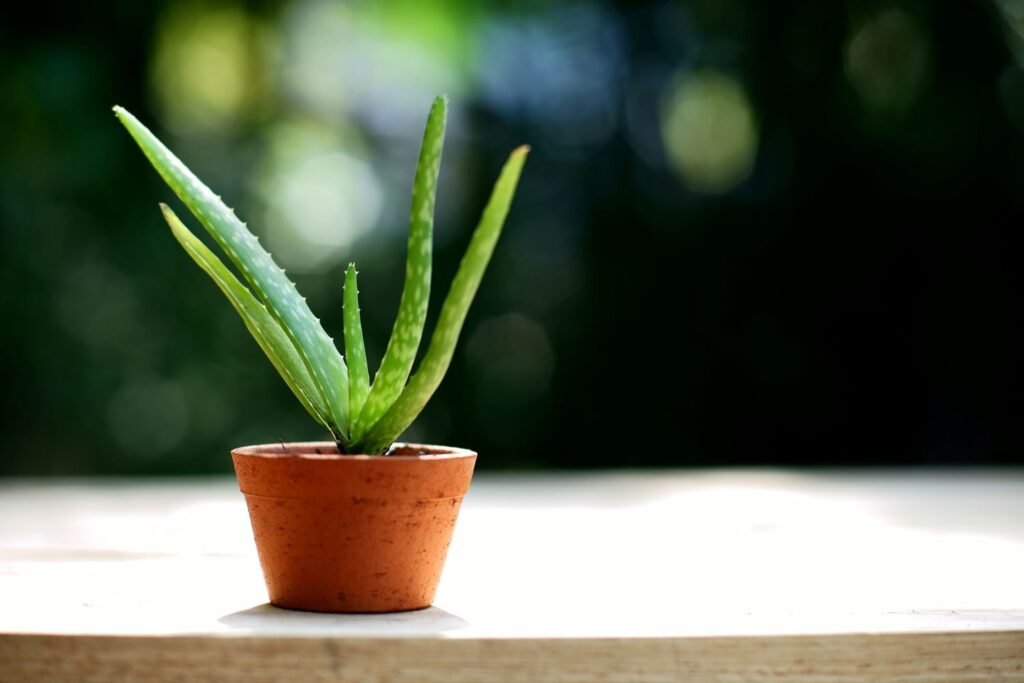
If your plant is new or rootbound, repot it.
✔ Steps to Plant Aloe Vera:
- Fill pot with soil mix.
- Place aloe in the center so roots sit comfortably.
- Cover roots but keep lower leaves above soil.
- Don’t water immediately—wait 2–3 days.
This prevents rot and helps the plant settle.
6. Light Requirements: Aloe Loves Sunlight
Aloe vera thrives in bright, indirect sunlight.
✔ Best Sun Exposure:
- 4–6 hours of sunlight daily
- East or south-facing windows indoors
Too much direct sun can cause:
- Browning
- Leaf burning
Too little sun causes:
- Leggy growth
- Pale leaves
- Slow development
Balance is key: give aloe plenty of light but protect it from intense afternoon sun.
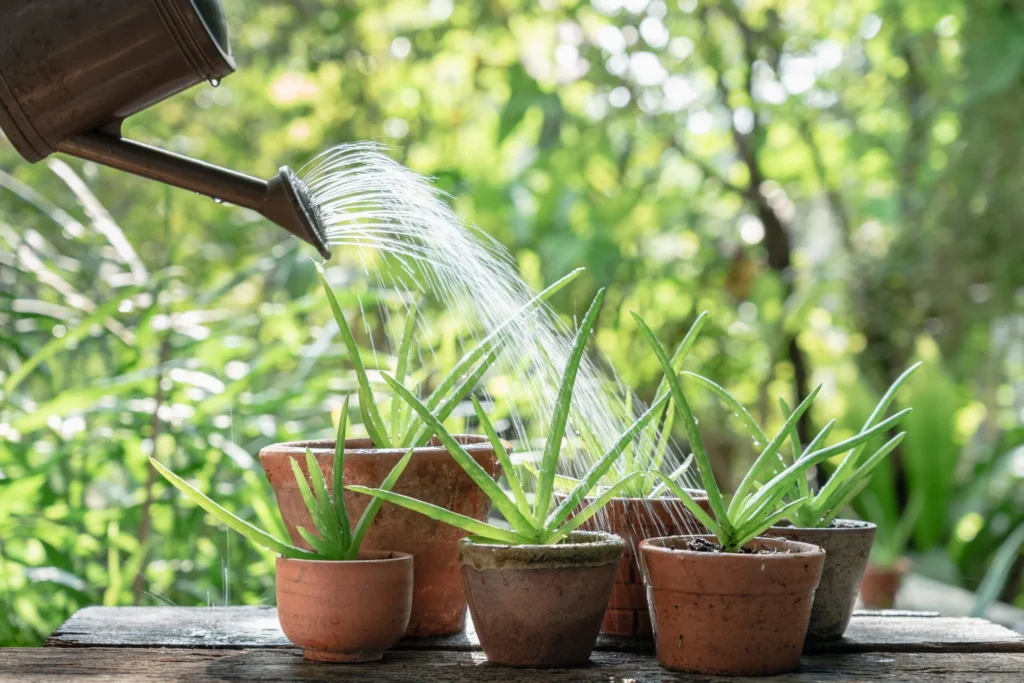
7. Watering Aloe Vera the Right Way
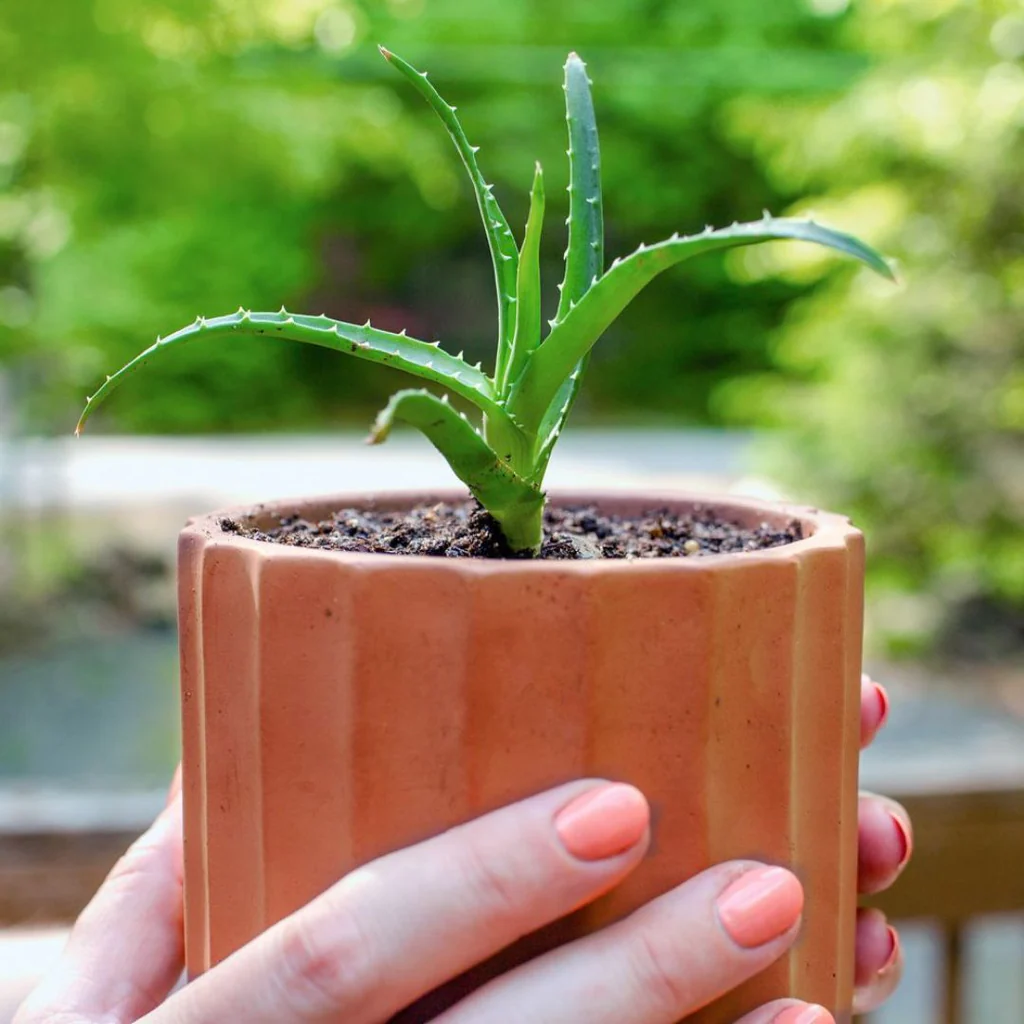
If aloe vera dies, it’s usually because of incorrect watering.
✔ Watering Rule:
Water deeply but rarely.
How Often to Water:
- Summer: every 10–12 days
- Winter: every 18–25 days
- Rainy season: once every 2–3 weeks
Let the soil dry completely before watering again.
Signs of Overwatering:
- Mushy leaves
- Yellowing
- Black spots
- Rot at the base
Signs of Underwatering:
- Wrinkled, flat leaves
Always check the soil with your finger before watering.
8. Fertilizing Aloe Vera (Minimal Needed)
Aloe does not need heavy feeding.
Best Fertilizers:
- Diluted organic liquid fertilizer
- Seaweed extract
- Very mild compost tea
Fertilizing Schedule:
- Once every 45–60 days
- Only during the growing season (spring & summer)
Avoid chemical fertilizers—they can burn the roots.
9. Temperature Requirements
Aloe vera loves warm weather.
✔ Ideal Temperature:
- 15–30°C
✔ Aloe struggles in:
- Frost
- Cold winds
- Temperatures below 10°C
If you live in a cold area, move your aloe indoors during winter.
10. Pruning Aloe Vera for Better Growth
Pruning helps your aloe grow healthier.
✔ What to Prune:
- Dead leaves
- Damaged brown tips
- Lower leaves for harvesting gel
Use clean scissors to avoid infection.
11. Harvesting Aloe Vera Leaves Properly
Aloe leaves must be harvested safely so the plant stays healthy.
✔ How to Harvest:
- Choose mature outer leaves.
- Cut close to the base.
- Wash and drain the yellow sap (aloin).
- Use the gel fresh for skin or hair.
Harvesting encourages new leaf growth and keeps your plant productive.
12. Propagating Aloe Vera (Growing Baby Plants)
Aloe vera naturally produces pups—small baby plants that grow around the base.
✔ How to Propagate:
- Gently remove the plant from the pot.
- Identify pups with their own roots.
- Separate them carefully.
- Pot each pup individually.
- Wait 3–4 days before watering.
This lets you multiply your aloe plant collection for free!
13. Common Problems and How to Fix Them
1. Leaves Turning Brown
Cause: Sunburn
Solution: Move to partial shade.
2. Mushy Leaves
Cause: Overwatering
Solution: Reduce watering + improve drainage.
3. Thin, Pale Leaves
Cause: Not enough sunlight
Solution: Increase sun exposure.
4. Slow Growth
Cause: Poor soil or rootbound pot
Solution: Repot and use well-draining mix.
5. Pests
Common pests: Mealybugs, aphids
Solution: Neem oil spray every 7–10 days.
Aloe is hardy—most issues are easy to fix with minor adjustments.
14. Aloe Vera Seasonal Care Guide
Spring
- Best time for repotting
- Increase watering
- Start fertilizing lightly
Summer
- Water regularly
- Provide morning sunlight
- Protect from harsh afternoon sun
Autumn
- Reduce watering
- Stop fertilizing
Winter
- Keep indoors
- Avoid watering frequently
- Protect from frost
Seasonal care ensures year-round healthy growth.
15. Benefits of Aloe Vera for Home & Health
✔ Natural skin healer
Treats burns, acne, cuts, sunburn.
✔ Great for hair
Strengthens roots, adds shine.
✔ Detox drink (in moderation)
Helps digestion and immunity.
✔ Air purifier
Removes toxins like formaldehyde.
✔ Aesthetic indoor plant
Adds beauty to home decor.
Aloe vera is a natural first-aid kit and beauty secret in plant form.
Final Thoughts
Caring for an aloe vera plant is easy, rewarding, and perfect even for total beginners. With the right pot, well-draining soil, proper sunlight, and minimal watering, your aloe will thrive for years and produce beautiful, thick leaves full of healing gel.
Aloe vera is more than just a plant—it’s a natural healer, a stress-free companion, and a beautiful addition to your home.