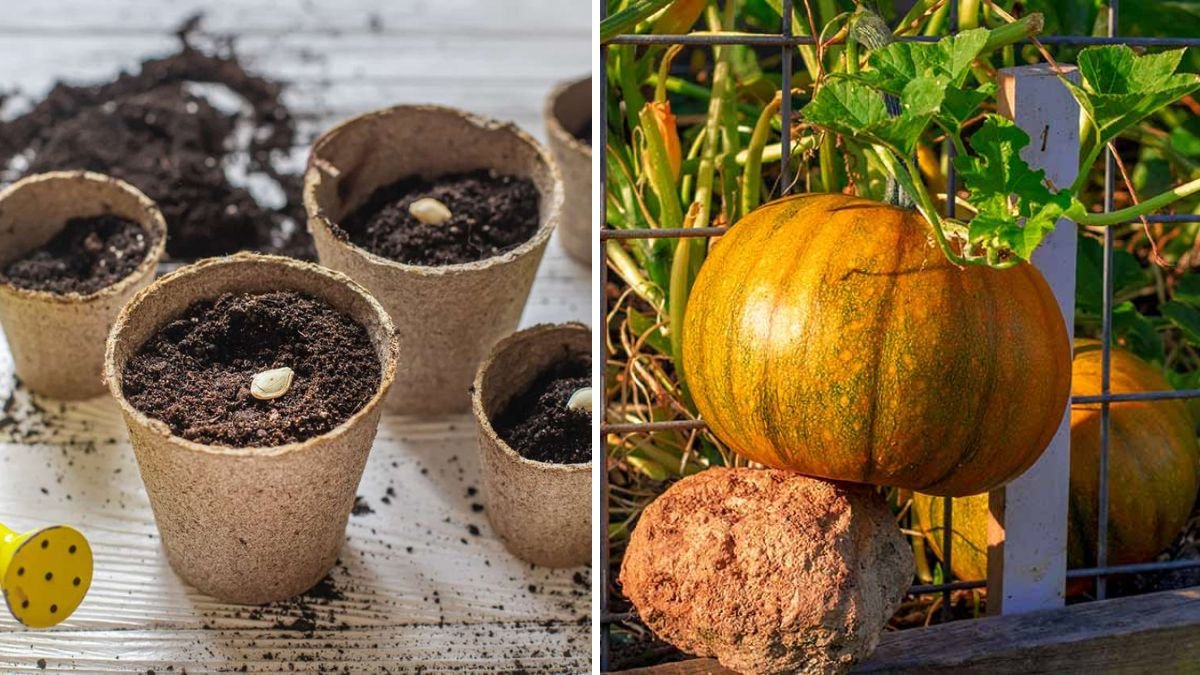
Pumpkins are among the most rewarding crops to grow at home. Their lush vines, beautiful yellow flowers, and large nutritious fruits make them a favorite of home gardeners worldwide. Whether you have a backyard garden, terrace, balcony, or even containers, growing pumpkin from seeds is surprisingly easy and incredibly fulfilling.
This seed-to-harvest guide will walk you through everything you need to know to grow big, healthy pumpkins right at home.
🎃 Why Grow Pumpkin at Home?
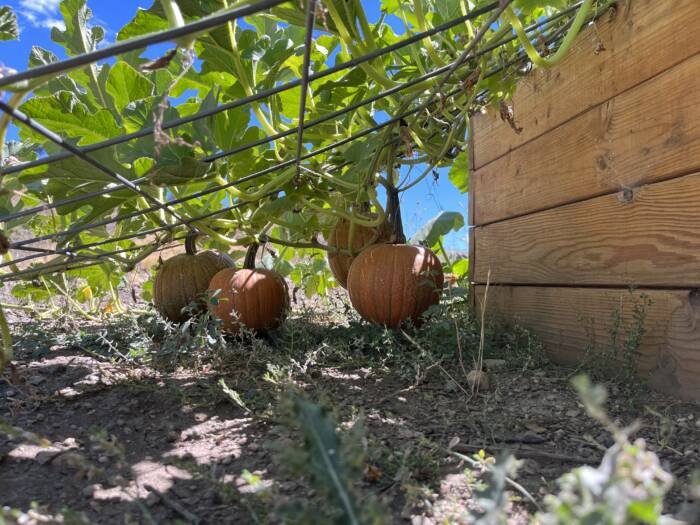
Pumpkin plants offer multiple benefits:
✔ Nutritious & Versatile
Pumpkin flesh, leaves, and even seeds are edible and packed with vitamins, fiber, and antioxidants.
✔ Fast-Growing
Pumpkins germinate quickly and grow vigorously, giving you visible progress every day.
✔ Low Maintenance
With minimal care, pumpkins thrive in warm climates.
✔ Thrives in Many Spaces
Grow them on soil beds, raised beds, or large containers.
🌱 Step 1: Choosing the Right Pumpkin Variety
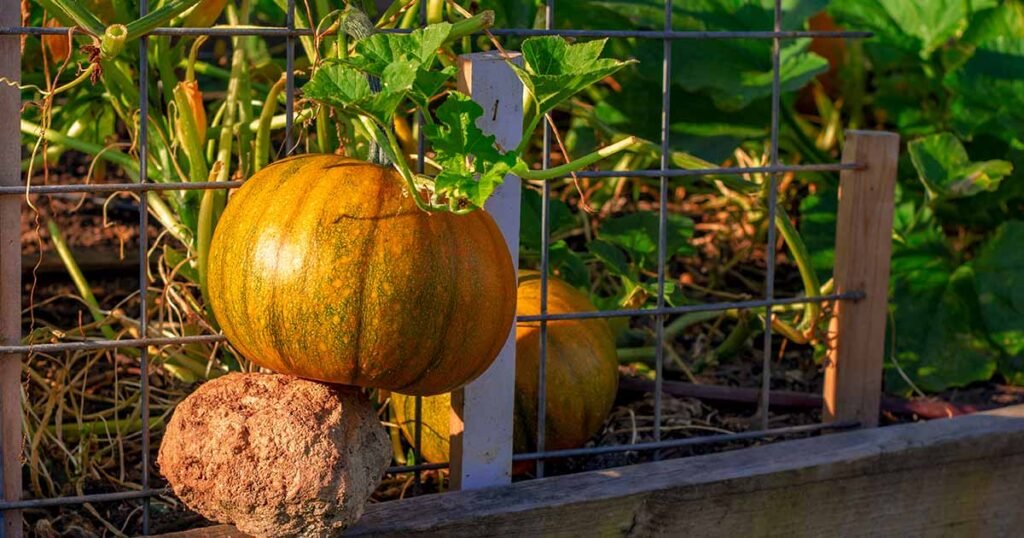
Picking the right variety helps ensure healthy growth and good harvest.
Popular Varieties for Home Gardening:
- Sugar Pumpkin – Small, sweet, perfect for cooking
- Baby Boo – Cute mini white pumpkins
- Calabaza – Heat-tolerant, ideal for tropical climates
- Jack Be Little – Small pumpkins for limited space
- Traditional Indian Pumpkin (Kaddu/Lal Bhopla) – Great yield and flavor
Choose seeds from trusted nurseries or online stores for best results.
🪴 Step 2: Preparing the Seeds
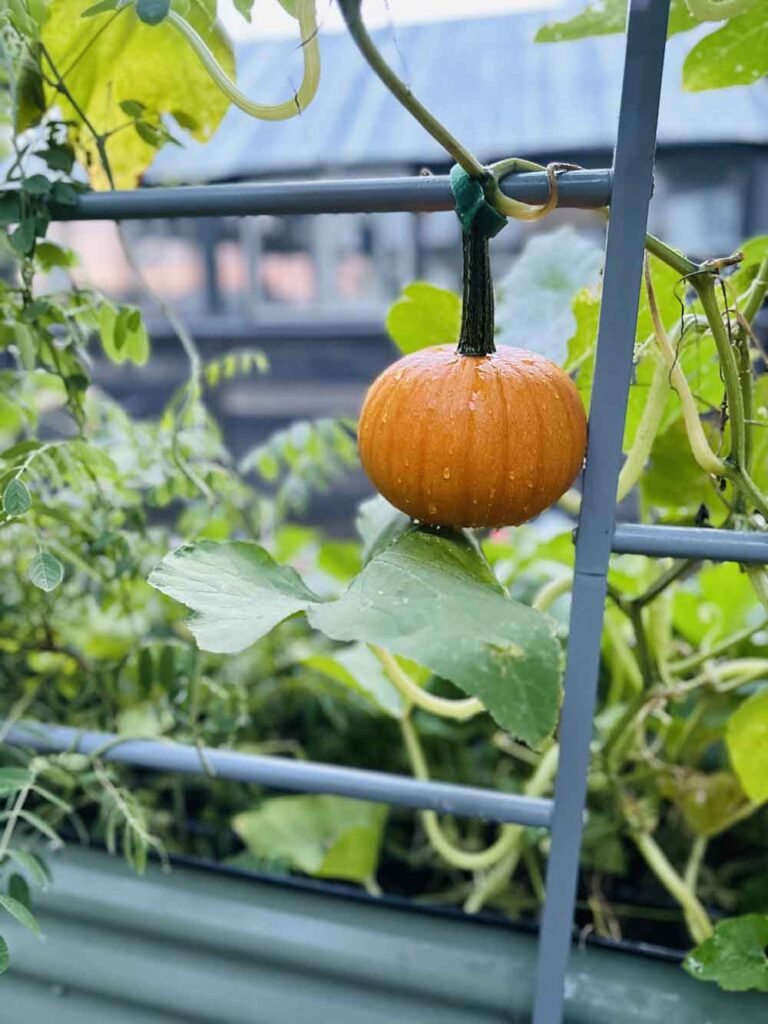
Pumpkin seeds are large and hardy.
Seed Preparation:
- Select plump, healthy seeds
- Optional: Soak in warm water for 4–6 hours to speed up germination
- Dry lightly before planting
Soaked seeds sprout faster and grow stronger roots.
🏡 Step 3: Choosing the Right Growing Place
Pumpkins need space because their vines spread widely.
✔ Best Growing Options:
- Backyard garden
- Raised bed
- Large grow bags (40–60 liters)
- Big pots or tubs
- Balcony or terrace (with support)
✔ Minimum Space Needed:
A vine can grow 8–20 feet, but with training, you can easily grow pumpkins vertically in small spaces.
🌿 Step 4: Prepare the Ideal Soil Mix
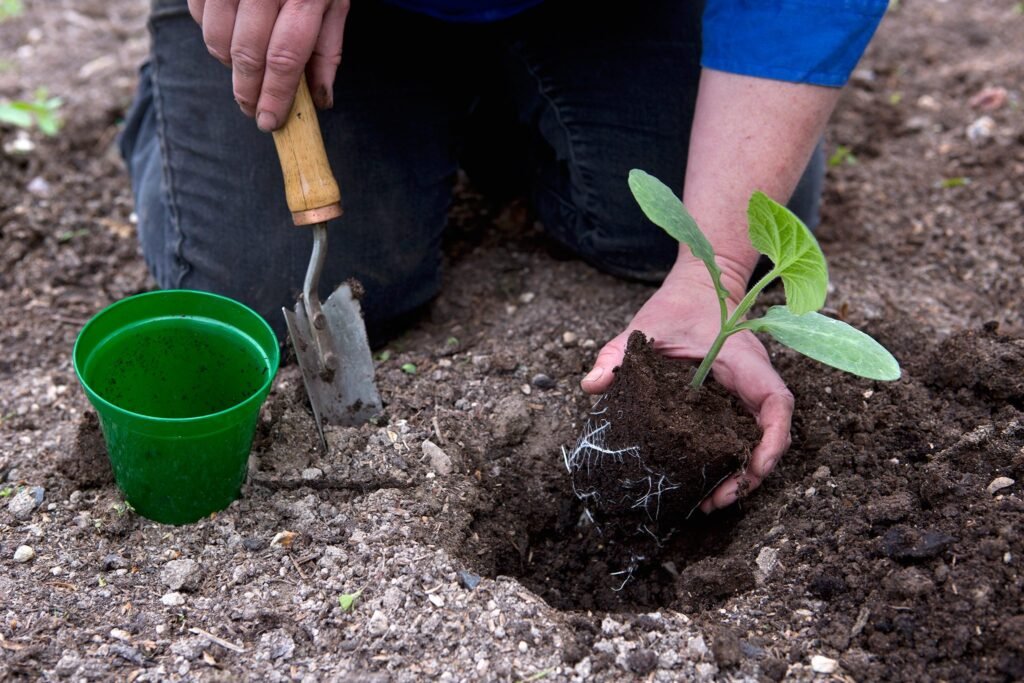
Pumpkins love fertile, loose, and well-draining soil.
Perfect Soil Mix:
- 40% garden soil
- 30% compost or cow dung
- 20% coco peat or leaf mold
- 10% sand
Add Boosters:
- A handful of neem cake powder (prevents soil diseases)
- A handful of bone meal (support flowering)
- A handful of vermicompost
Good soil ensures faster vine growth and bigger pumpkins.
🌱 Step 5: Planting the Pumpkin Seeds
Planting Method:
- Make small holes 1–2 inches deep.
- Place one seed per hole, flat side down.
- Leave 1.5–2 feet spacing between plants if on ground.
- Cover lightly with soil.
- Water gently.
Germination Time:
5–10 days
Keep the soil moist during this period.
🌞 Step 6: Provide the Best Growing Conditions
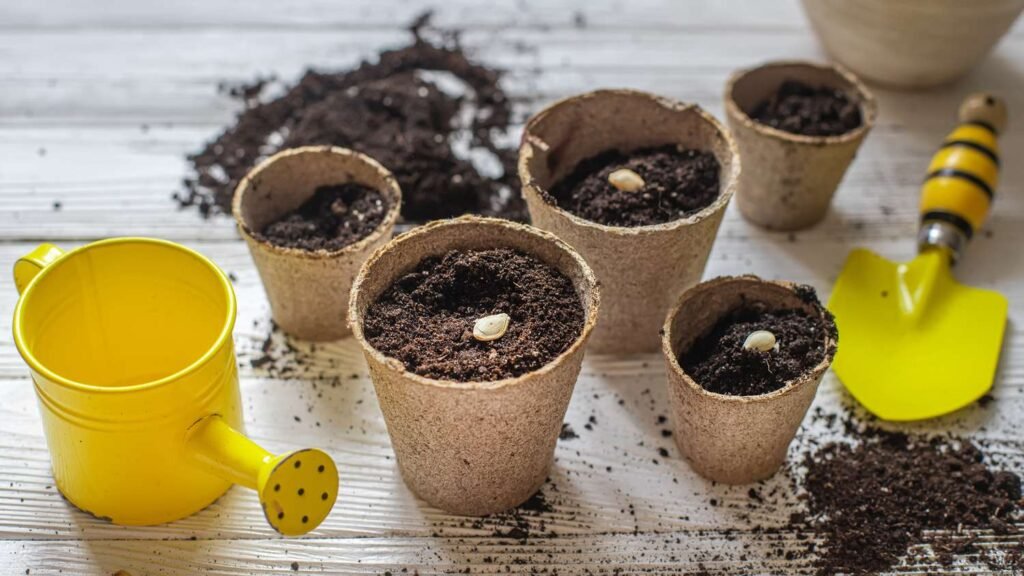
Pumpkin plants thrive in warm, sunny environments.
Sunlight:
At least 6–8 hours of direct sunlight daily.
Temperature:
20°C to 32°C (68°F to 90°F)
Watering:
- Water deeply once every 2–3 days
- Keep soil consistently moist
- Avoid water on leaves—water at the base
Mulching:
Use straw, leaves, or grass clippings to keep soil cool and retain moisture.
🌼 Step 7: Vine Training for Better Growth
Pumpkin plants grow long vines that must be controlled.
✔ Ground Training:
- Let vines crawl
- Redirect them gently
- Pinch off unwanted runner vines
✔ Vertical Training:
Use trellises, ropes, or netting to grow pumpkins vertically.
Tip: For heavy pumpkins, support fruits with cloth hammocks or nets.
🌼 Step 8: Flowering and Pollination
Pumpkin plants produce male and female flowers.
Male Flowers:
- Appear first
- Thin stem
- No fruit behind flower
Female Flowers:
- Have a small baby pumpkin at the base
- Produce fruit after pollination
🐝 Pollination Tips:
- Bees naturally pollinate flowers
- If you see fewer bees, hand pollinate
- Use a soft brush to transfer pollen from male to female flowers
Proper pollination ensures healthy fruit development.
🌱 Step 9: Fertilizing for Strong Growth
Pumpkins are heavy feeders.
Best Fertilizers:
- Vermicompost
- Cow dung
- Seaweed extract
- Banana peel fertilizer
- Potash-rich fertilizers
Feeding Schedule:
- Every 15 days during vine growth
- Increase potassium during flowering/fruiting
- Avoid too much nitrogen (causes leafy growth, fewer pumpkins)
🛡 Step 10: Protecting Plants from Pests & Diseases
Pumpkins attract common pests like:
Pests:
- Aphids
- Leaf miners
- Fruit borers
- Whiteflies
Natural Control:
- Neem oil spray (5 ml per liter, weekly)
- Garlic-chili spray
- Soap water spray
Diseases to Watch For:
- Powdery mildew
- Fungal spots
- Root rot (from overwatering)
Keep good airflow and avoid wetting the leaves.
🎃 Step 11: Fruit Development & Care
Once pollinated, the baby pumpkin starts growing.
To Support Fruit Growth:
- Ensure good sunlight
- Add potash fertilizer
- Keep soil moist
- Remove weeds
- Place a piece of cardboard or straw under the fruit to prevent rot
The pumpkin’s size depends on variety, nutrition, and sunlight.
⏳ Step 12: Harvesting Your Pumpkin
Harvest Time:
Usually 80–120 days after planting.
Signs Your Pumpkin Is Ready:
- Skin becomes hard and deep-colored
- Stem begins to dry
- Fruit sounds hollow when tapped
Use a knife or pruner to cut the pumpkin with a small piece of stem attached.
🌬 Step 13: Curing and Storing Pumpkins
Curing helps pumpkins last longer.
How to Cure:
- Keep pumpkins in a sunny, airy place for 7–10 days
- Store in a cool, dry location
Pumpkins can last 2–3 months if stored properly.
🌟 Pro Tips for Bigger, Better Pumpkins
- Choose the right variety for your climate
- Add compost every 20 days
- Water deeply and consistently
- Support vines with trellis for small spaces
- Hand-pollinate for better fruit set
- Remove competing small fruits to grow one large pumpkin
🎃 Final Thoughts: Grow Your Own Pumpkins Easily!
Growing pumpkin at home from seeds is not only simple but also extremely satisfying. Whether you’re gardening in soil or containers, pumpkin vines offer beauty, nutrition, and delicious homegrown produce.
With the right care—sunlight, soil, water, and pollination—you can enjoy your own homegrown pumpkins within a few months.
Start with a few seeds today, and watch your home transform into a lush pumpkin patch!