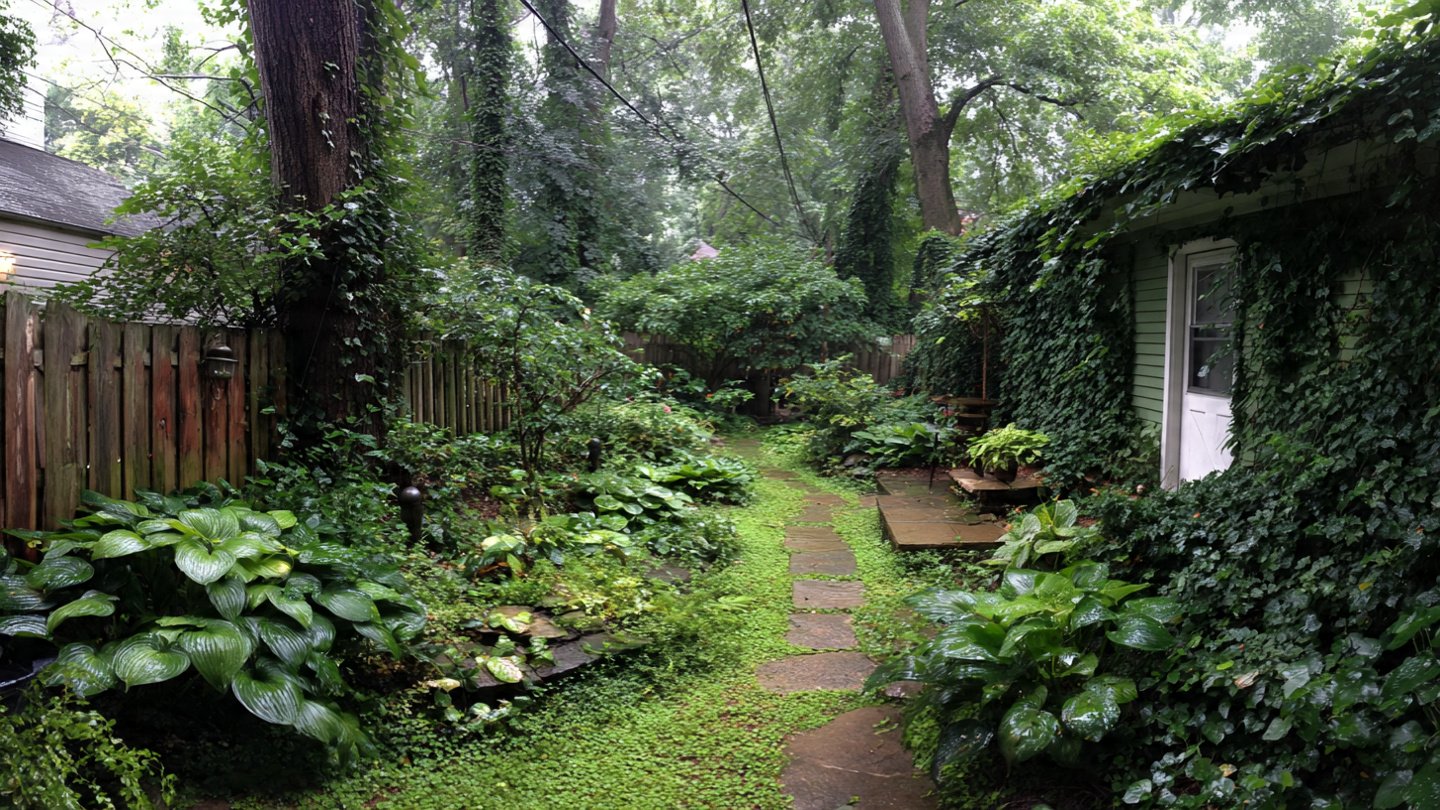
When it comes to landscaping, many homeowners overlook the potential of their side yards. These often neglected spaces can be transformed into enchanting woodland paths that not only enhance the aesthetic of your home but also provide a serene escape right in your backyard. Here’s a comprehensive guide on how to breathe life into your dull side yard.
1. Assess Your Space
Before diving into the transformation process, take some time to evaluate your side yard. Take note of the following:
- Sunlight Exposure: Determine how much sunlight your side yard receives. This will influence the plants you choose.
- Soil Quality: Check the soil type and its drainage capabilities. This assessment will help you select plants that will thrive in your environment.
- Access Points: Identify where the path will lead and ensure it connects to valuable spaces in your yard or home.
2. Design Your Path
The path is the centerpiece of your woodland retreat. Here are some popular design approaches:
- Curved Pathways: Consider creating a meandering path using natural stone or gravel. Curved pathways offer a more organic feel, resembling a rustic woodland trail.
- Stepping Stones: If you prefer a more structured design, utilize stepping stones. Choose stones that blend with the surroundings and provide a natural, earthy look.
- Mulched Trails: For a softer appearance, consider using mulch to create a defined path. This approach is budget-friendly and easy to maintain.
3. Select the Right Plants
In creating a woodland path, plant selection is crucial. Here are some suggestions:
- Ferns: Ideal for shaded areas, ferns add a lush, green texture to your path.
- Hostas: These adaptable perennials thrive in shade and offer a variety of colors and textures.
- Wildflowers: Consider planting native wildflowers that can attract pollinators while providing bursts of color.
- Deciduous Shrubs: Shrubs like dogwoods or hydrangeas provide structure and seasonal interest.
4. Create Layers
To achieve a woodland-like atmosphere, layering your plants can create depth and interest. Here are some tips:
- Canopy Layer: Taller trees or shrubs can serve as a canopy, providing height and shade.
- Understory Layer: Incorporate mid-height shrubs and perennial flowers to fill in the middle layer.
- Ground Layer: Finish with ground covers like moss or creeping thyme to create a carpet of green.
5. Incorporate Natural Features
Adding natural elements to your woodland path can enhance its charm:
- Logs and Stumps: Utilize fallen logs or tree stumps as organic seating areas or plant stands.
- Rocks: Integrate boulders or smaller stones along the path to create visual interest and define the trail.
- Water Features: If space allows, consider adding a small pond or a trickling stream for soothing sounds.
6. Lighting the Path
Outdoor lighting can transform your woodland path into a magical experience, especially at night. Here are a few lighting options:
- Solar Lanterns: Place solar lights along the path to illuminate your way while being eco-friendly.
- String Lights: Drape string lights in nearby trees to create a fairy-tale atmosphere.
- Path Lights: Use low-voltage path lights to highlight the edges of your path securely.
7. Maintenance Tips
Once your woodland path is established, some maintenance is essential:
- Regular Weeding: Keep the area tidy by regularly removing weeds that compete with your plants.
- Pruning: Trim shrubs and trees to keep pathways clear and maintain the desired aesthetic.
- Mulching: Refresh mulch annually to retain soil moisture and suppress weeds.
Conclusion
Transforming a dull side yard into a hidden woodland path is a creative endeavor that can immensely enhance your outdoor space. By thoughtfully designing your path, selecting appropriate plants, and incorporating natural features, you can create a serene escape that invites relaxation and inspires exploration. Not only will it beautify your property, but it will also provide a peaceful retreat for you and your family.
FAQs
1. How much time will it take to transform my side yard?
The time required can vary depending on the size of your yard and the complexity of the design. Typically, large transformations may take a few weekends.
2. Do I need professional help for this project?
While many homeowners successfully undertake the project independently, consulting with a landscape designer can provide valuable insights, especially for detailed planning.
3. What is the best season to plant?
Spring and fall are the ideal seasons for planting, as the weather is milder, allowing plants to establish roots before the heat of summer or the cold of winter.
4. How can I ensure my plants survive?
Choose native plants that are well-adapted to your local climate and soil conditions. Regular watering, especially during dry spells, will also help establish your plants.
5. Can I create a woodland path on a budget?
Absolutely! Many materials, like mulch or recycled stone, can be cost-effective options. You can also propagate plants from friends or local gardens to save on expenses.