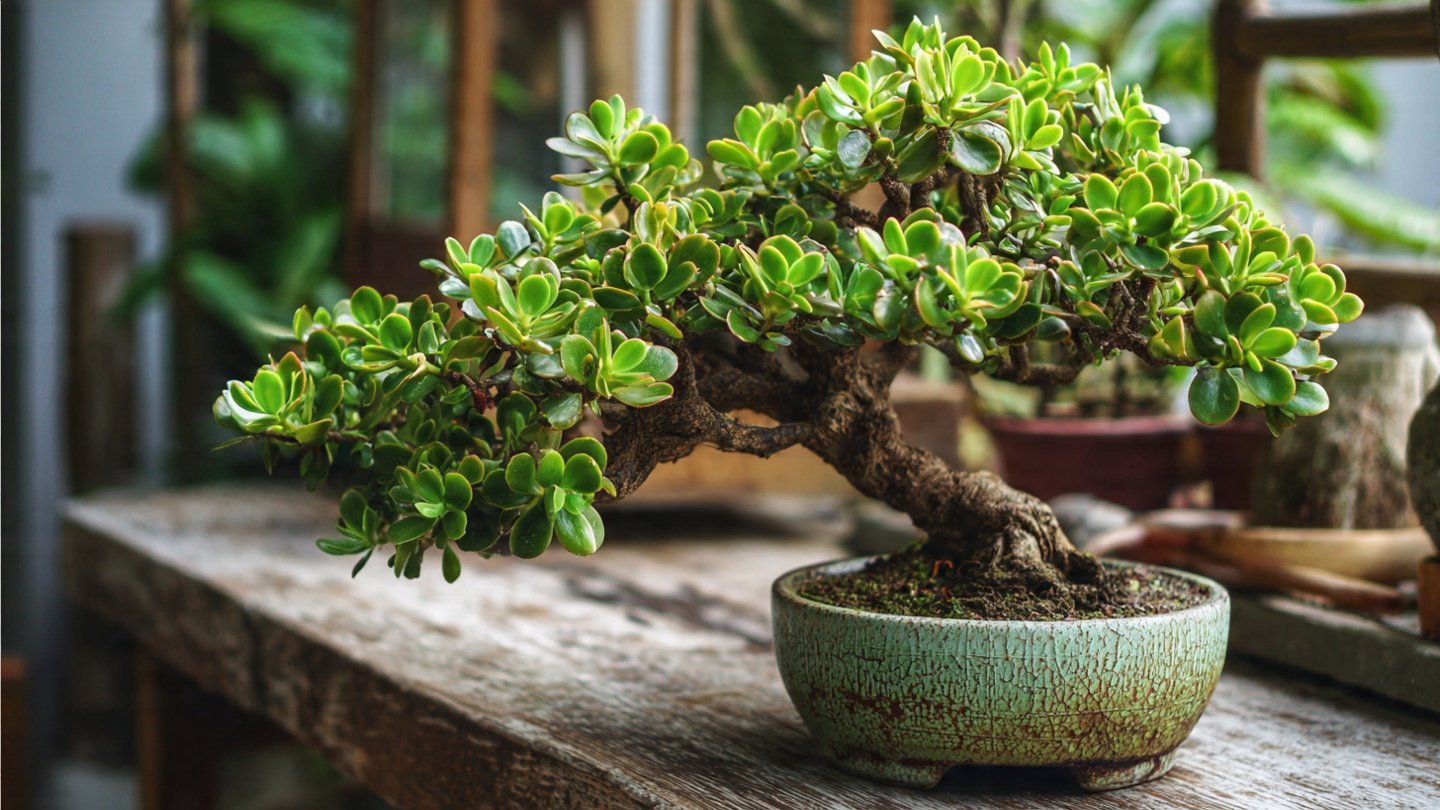
Introduction to Jade Plants
The jade plant, scientifically known as Crassula ovata, is a succulent native to South Africa. Recognizable for its thick, oval leaves and woody stems, it is often associated with prosperity and good luck in various cultures. As a popular houseplant, it has garnered the reputation of being an excellent choice for beginner gardeners and those who prefer low-maintenance plants.
Bonsai: A Timeless Art Form
Bonsai is the art of cultivating miniature trees, an ancient practice rooted in East Asian tradition. This art form requires specific techniques, including pruning, wiring, and training branches to achieve an aesthetically pleasing tree-like shape. Many people associate bonsai with time-consuming care, but not all bonsai require extensive maintenance. Herein lies the case for the jade plant.
Why Choose Jade Plants as Bonsai?
The jade plant is heralded as a perfect option for those venturing into bonsai due to several factors:
- Durability: Jade plants are incredibly resilient. They can withstand neglect in terms of watering and don’t mind fluctuations in light conditions.
- Growth Habit: The natural growth form of jade plants lends itself well to bonsai techniques. They can be shaped easily through pruning and training.
- Longevity: With proper care, jade plants can live for decades, allowing gardeners to witness the evolution of their bonsai over time.
Essential Jade Plant Care Guidelines
Light Requirements
Jade plants thrive in bright, indirect sunlight. Placing them near a window where they can receive a few hours of direct light each day will promote healthy growth. However, too much direct sunlight can scorch their leaves, so balance is key.
Watering Practices
One of the most significant advantages of jade plants is their low water needs. It is essential to let the soil dry out between waterings. Overwatering can lead to root rot, so it’s better to err on the side of caution. Typically, watering every two weeks in the growing season works well.
Soil and Potting
Jade plants prefer well-draining soil, such as a cactus soil mix or a blend of potting soil and sand. Choosing a pot with drainage holes is crucial to prevent water from pooling at the bottom.
Fertilization
During the growing season, jade plants benefit from a diluted, balanced fertilizer. Fertilizing once a month during spring and summer can support growth without risking over-fertilization.
Techniques for Shaping Your Jade Plant Bonsai
Pruning
Regular pruning is vital for maintaining the desired shape and size of your jade plant bonsai. Trim back any excessive growth and shape the branches to create a balanced appearance. It’s best to prune during the growing season to minimize stress on the plant.
Wiring
Wiring can help bend and shape branches into the desired form. Use soft aluminum wire to wrap around the branches gently, avoiding damage. Remember to check regularly and adjust the wire to prevent cutting into the bark as it grows.
Repotting
As jade plants grow, they may require repotting every couple of years. This process should be performed in the spring, enhancing the plant’s growth by giving it fresh soil. When potting, ensure not to disturb the roots excessively.
Health Considerations for Your Jade Plant
Pest Control
While jade plants are generally hardy, they can still fall victim to pests like aphids and mealybugs. Regularly inspecting the leaves for signs of infestation can help manage any issues early. If pests are noticed, a gentle wash with water or an insecticidal soap can be effective.
Signs of Stress
Pay attention to your jade plant’s leaves; they should be plump and vibrant. If they start to wrinkle or drop, it might be a sign of underwatering or overwatering. Adjust your care to ensure optimal health.
Benefits of Growing a Jade Plant Bonsai
- Aesthetic Appeal: The jade plant’s unique appearance adds charm and beauty to any space.
- Low Maintenance: Perfect for busy gardeners, jade plants require minimal intervention.
- Air Purification: Like many plants, jade plants can help purify the air, making them a beneficial addition to your home.
Conclusion
The jade plant serves as an excellent introduction to the world of bonsai for home gardeners. With its low maintenance needs, resilience, and beautiful aesthetic, it offers an accessible way to engage with plant cultivation. As you shape your jade plant into a bonsai, you’ll not only witness its growth but also find joy in the calming process of nurturing a living creation. Whether you’re a seasoned gardener or a novice, the jade plant is a delightful companion for your gardening journey.
FAQs
1. How often should I water my jade plant bonsai?
Water your jade plant when the soil is completely dry, usually every two weeks during the growing season. Adjust based on environmental conditions like humidity.
2. Can jade plants survive in low light conditions?
While jade plants prefer bright, indirect sunlight, they can survive in lower light conditions but may grow more slowly and become leggy.
3. How can I propagate my jade plant?
Propagation can be done through stem cuttings. Let the cuttings dry for a few days to callous, then plant them in well-draining soil.
4. Is it necessary to fertilize my jade plant?
Fertilizing during the growing season can promote healthy growth, but it’s not mandatory. If you choose to fertilize, use a diluted, balanced fertilizer.
5. What temperature is ideal for jade plants?
Jade plants thrive in temperatures between 65°F to 75°F (18°C to 24°C). Protect them from extreme temperature fluctuations.