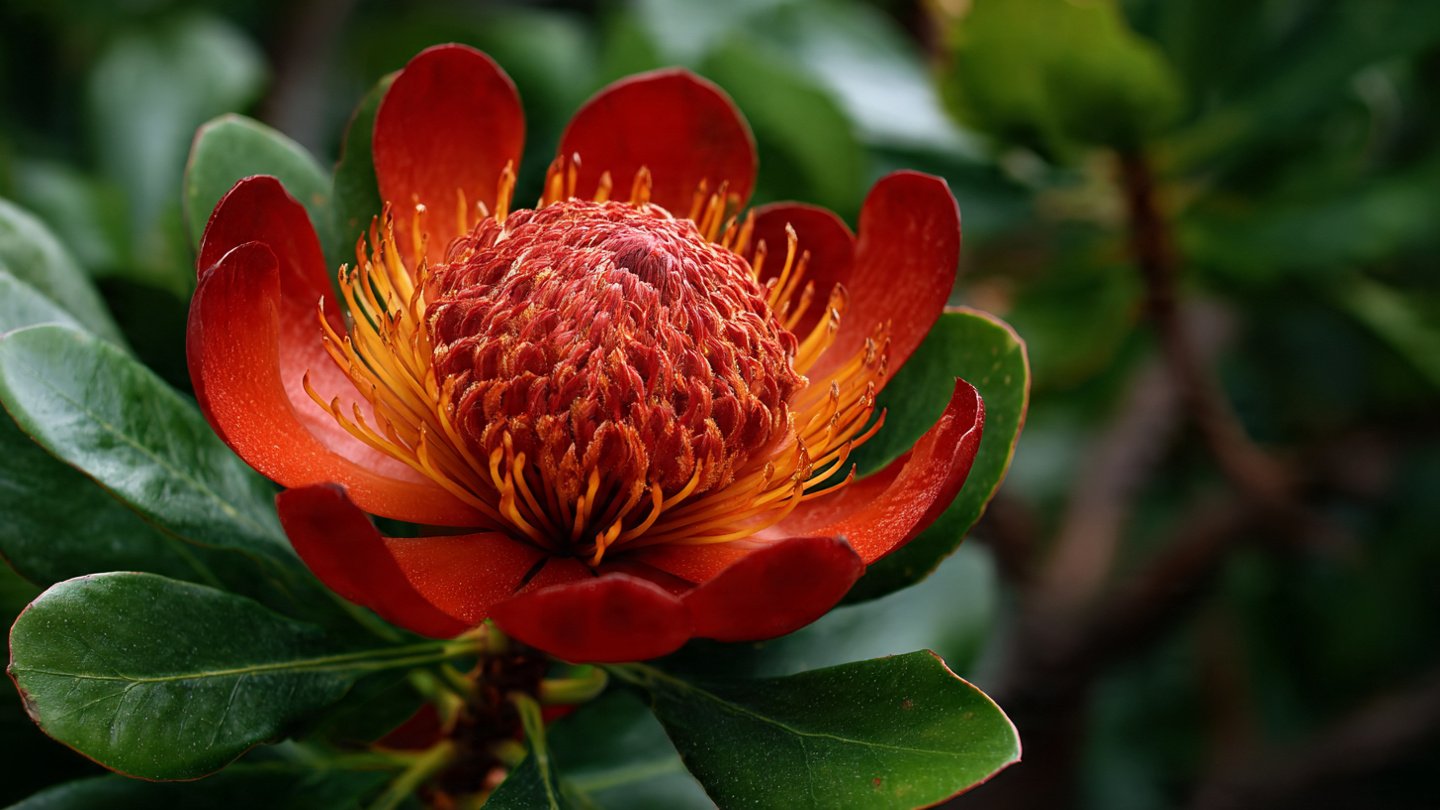
Flowers have held significant meanings in cultures around the world, often representing values such as love, purity, and life. Among these floral symbols, one flower has managed to transcend borders and become the national emblem of not one, but three countries: the cherry blossom. Known as “sakura” in Japan, this delicate bloom symbolizes beauty and the transient nature of life. However, its significance stretches to South Korea and the United States, each attributing its own cultural importance to this stunning flower. In this article, we will explore how the cherry blossom became the national symbol for these three nations, its historical context, and what it represents in each culture.
The Cherry Blossom in Japan
In Japan, the cherry blossom holds deep cultural significance. The practice of hanami, or flower viewing, dates back over a thousand years when the aristocracy observed the flowers’ blossoming cycles. This tradition evolved into a nationwide celebration, where people gather under cherry trees to appreciate their fleeting beauty. The cherry blossom symbolizes the ephemeral nature of life—a reminder of mortality and beauty intertwined.
The cherry blossom became an iconic symbol of Japan’s identity during the Edo period (1603-1868), as it resonated with the aesthetic values of the time. Art, literature, and poetry are rich with references to the blossoms, portraying them as a representation of renewal and the beauty of fleeting moments. The nurturing of cherry trees has become an intrinsic part of Japanese gardens and parks, where yearly festivals celebrate their bloom.
Cultural Representations
- Symbol of Renewal: The cherry blossom signifies new beginnings and the arrival of spring, which aligns with Japan’s cultural reverence for nature.
- Mortality: The brief lifespan of the flowers emphasizes the transient nature of existence, a theme prevalent in Japanese art and philosophy.
- National Identity: The cherry blossom is often depicted in national icons and is celebrated annually, emphasizing its role in Japanese pride and identity.
The Cherry Blossom in South Korea
In South Korea, cherry blossoms are equally cherished, symbolizing the beauty of life and the ephemeral nature of existence. While the tree is not indigenous to the Korean Peninsula, it has become a beloved floral icon. The tradition of cherry blossom viewing (called “beotkkot-nori”) has rapidly gained popularity, especially among younger generations.
The cherry blossom is also culturally significant following the end of Japanese colonization in 1945. It has come to symbolize resilience and national identity. The South Korean cherry blossom festival, celebrated in various regions, attracts millions of locals and tourists, emphasizing community and appreciation for natural beauty.
Cultural Significance
- Symbol of Peace: The cherry blossom represents peace and harmony in South Korea, echoing the nation’s growing ambitions for unity and reconciliation.
- Community Connection: Festivals centered around cherry blossoms foster community spirit, encouraging gatherings and celebrations across generations.
- Resilience: The flowering of cherry trees serves as a metaphor for South Korea’s resilience and revitalization following tumultuous historical events.
The Cherry Blossom in the United States
The cherry blossom’s journey to the United States began in the early 20th century. In 1912, Japan gifted 3,000 cherry trees to Washington, D.C., as a gesture of friendship between the two nations. The trees were planted along the Tidal Basin, and today they are one of the most celebrated features of the city. The gift marked a significant diplomatic effort and symbolized the growing relationship between Japan and the U.S.
The annual National Cherry Blossom Festival celebrates the blooming of these trees, drawing thousands of visitors to Washington, D.C. The event signifies peace and friendship, enhancing the ties between the two nations. The cherry blossom is also emblematic of the arrival of spring in the United States, where communities embrace the beauty and meaning behind the blossoms.
Impact on American Culture
- Symbol of Friendship: The cherry blossom serves as a reminder of the enduring friendship between Japan and the U.S.
- Art and Literature: The beauty of cherry blossoms has inspired countless works of art, literature, and photography in American culture.
- National Celebrations: The National Cherry Blossom Festival is a major event, showcasing cultural performances, parades, and activities.
Conclusion
The cherry blossom’s ascent to being a national symbol for Japan, South Korea, and the United States exemplifies how a single flower can embody diverse meanings across different cultures. In Japan, it signifies the impermanence of life and beauty, while in South Korea, it represents resilience and community. In the United States, the cherry blossom serves as a symbol of friendship and the arrival of spring. This flower transcends geographical boundaries, illustrating how nature can connect people through shared appreciation and common values.
FAQs
1. Why did Japan give cherry blossoms to the United States?
Japan gifted cherry blossoms to the United States in 1912 as a symbol of friendship and goodwill between the two nations, marking a significant diplomatic gesture.
2. What is the significance of cherry blossoms in Japanese culture?
In Japanese culture, cherry blossoms symbolize the transient nature of life, beauty, and renewal, as they bloom briefly each spring.
3. Are cherry blossoms native to South Korea?
Cherry blossoms are not indigenous to the Korean Peninsula, but they have become an integral part of South Korean culture, symbolizing beauty and resilience.
4. When is the National Cherry Blossom Festival held in the United States?
The National Cherry Blossom Festival is typically held each spring, coinciding with the peak bloom of the cherry trees in Washington, D.C.
5. What activities are part of the National Cherry Blossom Festival?
The festival includes various activities such as parades, cultural performances, art exhibitions, and community gatherings to celebrate the beauty of cherry blossoms.