Introduction
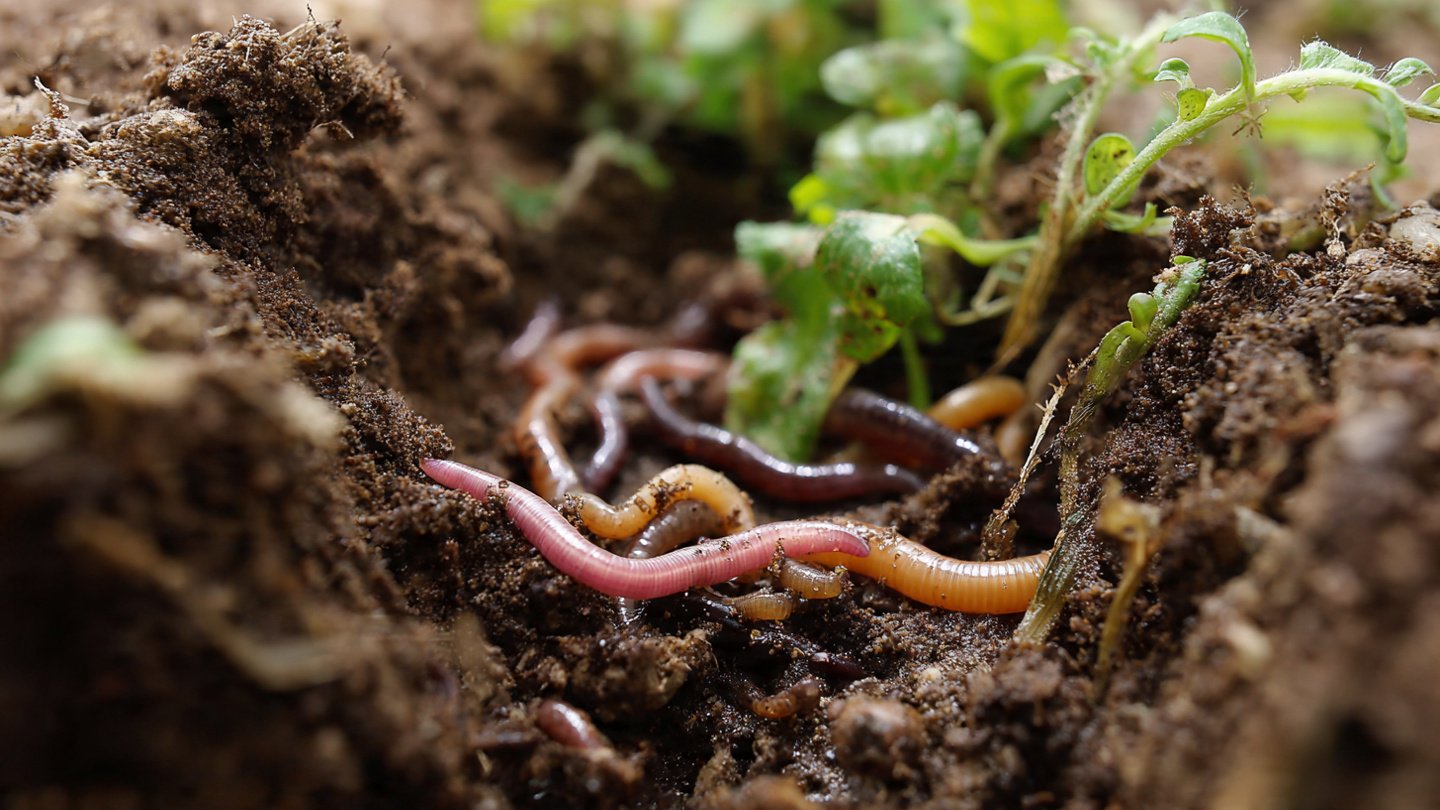
Gardeners often overlook the power of earthworms in enhancing soil quality. These little creatures are vital for creating fertile, healthy garden soil. Earthworms play a crucial role in organic matter decomposition and nutrient cycling. This article will reveal the secrets to boosting your garden soil with more worms and provide insights on how to attract them effectively.
The Role of Earthworms in Soil Health
Earthworms contribute to soil health in several ways. They aerate the soil as they move through it, creating channels that improve water infiltration and root penetration. Their feeding habits help break down organic matter, which in turn enhances soil structure and promotes beneficial microbial activity.
Moreover, worm castings are a powerhouse of nutrients. They are rich in nitrogen, phosphorus, potassium, and other trace elements critical for plant health. The organic matter in worm castings also helps improve soil structure, moisture retention, and overall fertility.
Secrets to Boosting Your Garden Soil with Worms
1. Organic Matter
One of the most effective ways to attract worms is by enriching your soil with organic matter. Earthworms thrive on decomposing plant materials. Incorporate compost, leaf litter, grass clippings, and kitchen scraps into your soil. This not only provides a food source for worms but also improves soil structure.
2. Moisture Levels
Earthworms require moist environments to survive. Ensure your garden soil retains moisture without becoming waterlogged. A good practice is to mulch around your plants, which helps maintain humidity levels while preventing evaporation.
3. pH Levels
Earthworms prefer a neutral pH range of 6.0 to 7.0. Soil that is too acidic or too alkaline can deter them. Conduct a soil test to determine the pH, and make adjustments using lime to raise the pH or sulfur to lower it, if necessary.
4. Minimal Tillage
Excessive tilling disturbs worm habitats and can reduce their populations. Adopt no-till or low-till gardening practices to protect these beneficial organisms. Instead, layer organic matter on top of the soil and allow worms to incorporate it naturally.
5. Companion Planting
Certain plants can help attract worms. For example, legumes such as clover or beans can improve soil fertility while inviting earthworms. Try incorporating these plants into your garden to create a vibrant ecosystem that fosters worm activity.
How to Attract More Worms to Your Garden
1. Create a Worm-Friendly Habitat
Ensure your garden provides the ideal living conditions for earthworms. A habitat rich in organic matter, moisture, and organic food sources, like decomposing leaves, is key to attracting them.
2. Use Worm Bins
Creating a worm composting bin at home can not only provide you with nutrient-rich worm castings but also serve as an attractive niche for worms. This can be especially useful in urban gardening where soil conditions may not be ideal. Fill a bin with shredded paper, vegetable scraps, and moistened cardboard, then introduce composting worms (like red wigglers).
3. Reduce Chemical Use
Chemical fertilizers and pesticides can harm earthworms and other beneficial organisms. Transitioning to organic gardening practices can help create a more hospitable environment for worms. Explore natural alternatives for pest control and soil amendments.
4. Install a Rain Garden
A rain garden can help improve drainage and provide a moist environment conducive to worm habitats. Design a shallow depression planted with native vegetation to catch rainwater and enhance soil health.
5. Diversify Your Plant Choices
Diversity in plant life can lead to a healthier ecosystem, promoting worm populations. Consider incorporating various plants, herbs, and flowers, which can provide multiple layers of organic matter as they grow and decompose.
Conclusion
Earthworms are an indispensable ally in any gardener’s toolkit. By enriching your soil with organic matter, maintaining optimal moisture and pH levels, minimizing soil disturbance, and embracing organic gardening practices, you can create an inviting habitat for these beneficial organisms. The secrets to boosting your garden soil with more worms lie in understanding their needs and adjusting your gardening practices accordingly. With patience and care, you can cultivate a thriving ecosystem that not only supports worm populations but also enhances the health and productivity of your garden.
FAQs
1. How do I know if my garden has worms?
Look for signs like worm castings (small, dark, crumbly pellets) on the soil surface. You can also dig into the soil and look for the worms themselves; if the soil is rich and healthy, you’re likely to find them.
2. What type of worms are best for gardens?
Red wigglers (Eisenia fetida) are ideal for composting and are excellent soil engineers. Nightcrawlers (Lumbricus terrestris) are also beneficial but prefer deeper soil layers.
3. Can I add worms to my garden directly?
Yes, you can introduce worms to your garden. It’s best to do so in the evening or on a cloudy day to minimize stress from sunlight. Mix them into the soil gently to help them acclimate.
4. Do worms really improve soil health?
Absolutely! Earthworms improve aeration, drainage, and nutrient availability, making your soil healthier and more productive.
5. How often should I add organic matter to my garden?
Regularly replenishing organic matter, about once every season, is a good practice. However, you can add smaller amounts throughout the growing season to continuously enrich the soil.