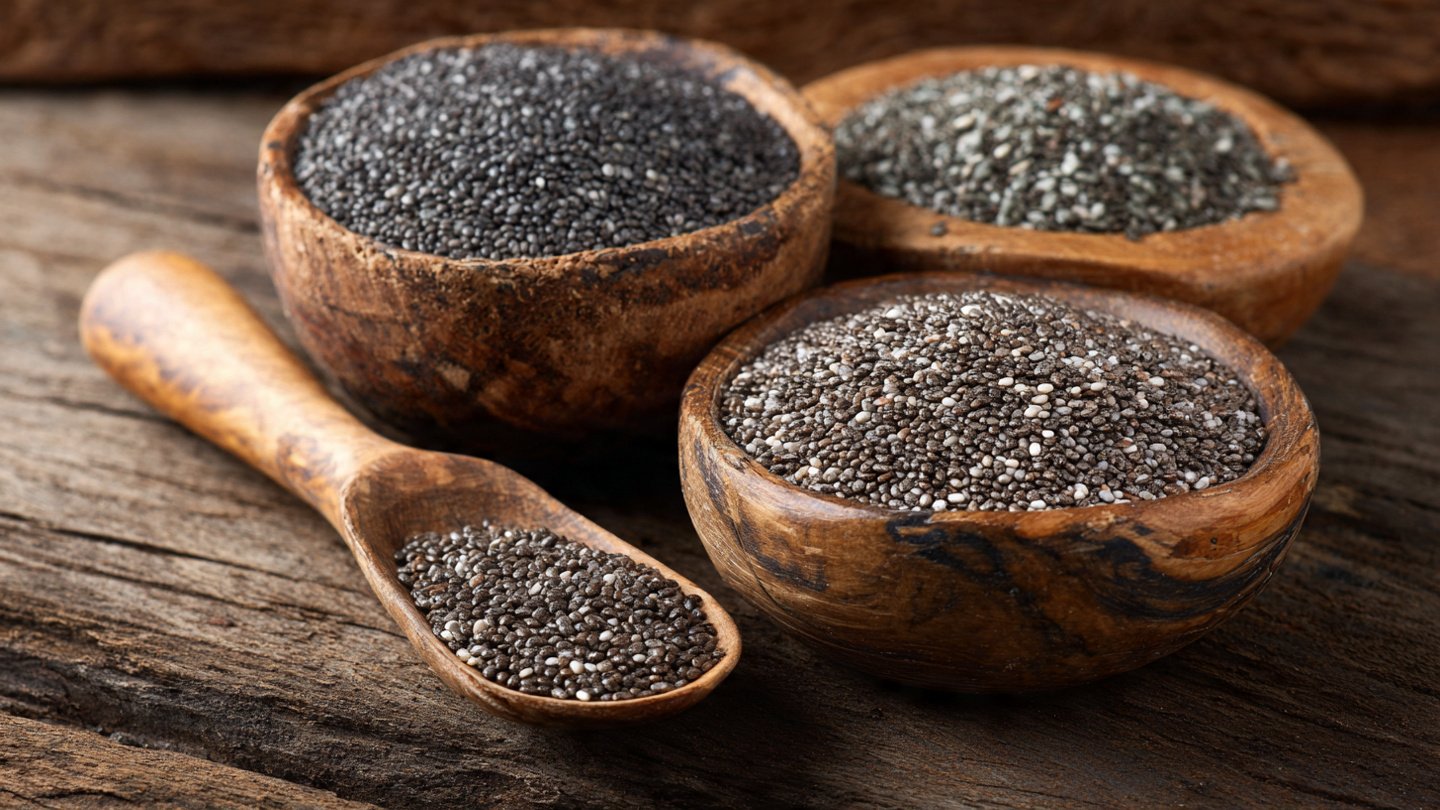
The Nutritional Powerhouse: Chia Seeds
Chia seeds, derived from the Salvia hispanica plant, have gained immense popularity over the last few years as a superfood. These tiny black or white seeds are packed with nutrients, making them a highly desirable addition to diets around the world. Rich in omega-3 fatty acids, fiber, protein, and essential minerals, chia seeds can be particularly beneficial for those seeking a natural health boost. But have you ever considered growing your own chia seeds? Here, we explore the compelling reasons for cultivating chia in your garden.
1. Freshness and Quality
When you grow your own chia seeds, you have complete control over the cultivation process, which ensures that you’re getting the freshest seeds possible. Store-bought chia seeds may have lost some of their nutritional value and flavor due to time on the shelf. By growing your own, you can harvest them at their peak, ensuring that you’re harvesting maximum nutrients and taste.
2. Control Over Growing Conditions
Growing chia seeds yourself means you can control the conditions in which they thrive. Factors such as soil quality, sunlight, and watering practices are completely in your hands. You can choose organic methods, avoiding harmful pesticides and chemicals often present in commercially grown seeds. This way, you can ensure a healthier product for you and your family.
3. Cost-Effectiveness
Purchasing chia seeds from a store can add up, especially if you consume them regularly. By investing a little time and effort into growing your own, you can significantly cut costs over time. Chia plants are resilient and yield a large amount of seeds, making them economically beneficial in the long run.
4. Environmental Sustainability
Home gardening contributes positively to the environment. When you decide to grow chia seeds at home, you’re actively participating in sustainable practices. Home-grown produce has a smaller carbon footprint compared to commercially sourced food. Additionally, chia plants are drought-resistant, meaning they require less water, making them an excellent choice for eco-conscious gardeners.
5. Educational Experience
Growing your own chia seeds can be an enriching educational experience. Whether you’re gardening with children, friends, or on your own, understanding the growth cycle of plants can deepen your appreciation for nature. You’ll learn about planting, germination, and harvesting, gaining valuable skills that can be applied to other areas of gardening as well.
6. Versatility in Culinary Uses
One of the joys of growing your own food is the ability to experiment with it. Chia seeds can be used in a multitude of recipes, from smoothies and energy bars to puddings and baked goods. When you grow your own seeds, you can explore diverse culinary avenues and discover unique flavors that you may not experience with store-bought seeds.
7. Community Engagement
Growing your own chia seeds can foster community engagement. Sharing your harvest with friends and neighbors can create a sense of connection and community spirit. You can exchange gardening tips, share recipes, and even start a community garden, promoting unity and collaboration in your local area.
8. Aesthetic Appeal
A chia plant can add beauty to your garden with its vibrant greenery and delicate flowers. The flowering process, occurring when the plant reaches a certain height, can be particularly stunning with its blue or purple blooms. Growing chia seeds not only benefits your health but also enhances the overall beauty of your living space.
9. Growing Chia Seeds: Easy and Rewarding
Chia seeds are incredibly easy to grow, making them suitable for both novice and experienced gardeners. They thrive in well-drained soil and can tolerate a range of climates. With minimal care, including regular watering and occasional weeding, you can watch your chia plants flourish and eventually reap the rewards. The process of sowing, nurturing, and harvesting chia seeds can be incredibly fulfilling.
10. A Superfood in Your Backyard
Integrating chia seeds into your diet is beneficial, but having the superfood grow in your backyard amplifies the benefits. Not only is it a healthier choice, but it also promotes self-sufficiency. In times of uncertainty, having a reliable source of nutrient-dense food close to home can provide peace of mind.
Conclusion
Growing your own chia seeds offers a multitude of benefits, from enhanced freshness and quality to sustainability and cost-effectiveness. The experience is rewarding, educational, and can even strengthen community ties. With low maintenance and high nutritional rewards, chia seeds are a great addition to any home gardening project. Whether you’re an experienced gardener or a beginner, the opportunity to cultivate your own superfood is not only practical but can lead to a healthier lifestyle. So, dig in and start growing your own chia seeds for an amazing superfood harvest!
FAQs
1. How long does it take to grow chia seeds?
Chia seeds typically take around 90-120 days to grow from planting to harvest. The seeds can germinate in as little as 7-14 days, depending on environmental conditions.
2. What kind of soil do chia plants prefer?
Chia plants thrive in well-drained soil. They prefer a slightly acidic to neutral pH. Adding organic compost can enhance soil quality and fertility.
3. Can I grow chia seeds indoors?
Yes, chia seeds can be grown indoors if you provide adequate sunlight. A south-facing window or grow lights can help ensure they receive enough light for healthy growth.
4. How can I use harvested chia seeds?
Harvested chia seeds can be used in various culinary applications. They can be added to smoothies, baked goods, or even used to make chia pudding.
5. Are there any pests or diseases that affect chia plants?
Chia plants are relatively pest-resistant. However, keeping an eye out for common pests and ensuring good air circulation can help prevent any potential diseases.