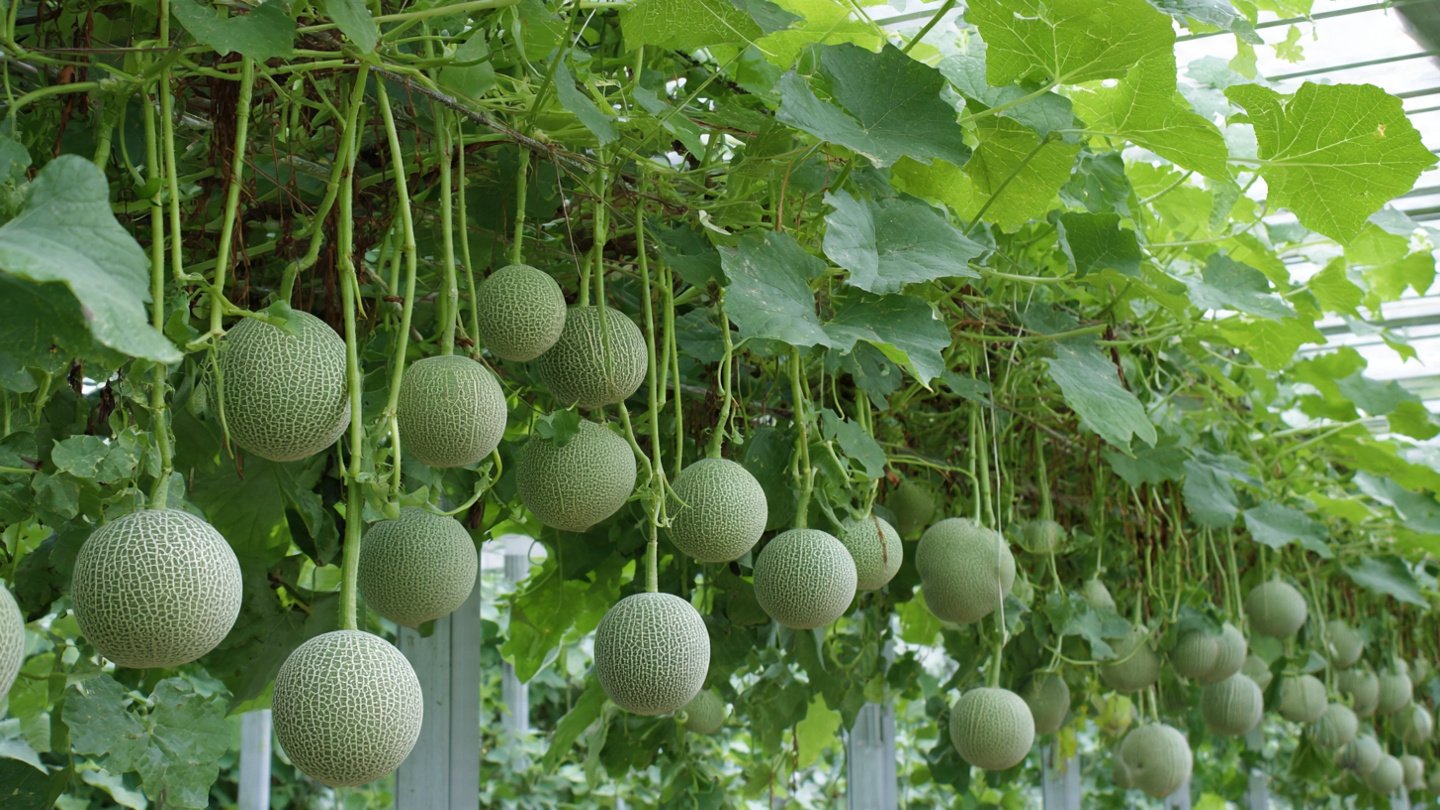
Vertical gardening has gained immense popularity in recent years, especially among urban gardeners who may have limited space. Among the many plants that can benefit from vertical gardening techniques, melons stand out for their sweet, juicy fruits and abundant yields. Growing melons on a heavy-duty trellis not only maximizes space but also improves air circulation, reduces pest problems, and enhances fruit quality. In this article, we will explore how to successfully grow a vertical garden of melons on a heavy-duty trellis, covering the necessary preparations, planting techniques, care requirements, and harvesting tips.
Benefits of Vertical Gardening for Melons
Space-Efficient
Melons are traditionally sprawling plants that require ample space on the ground. By growing them vertically, you can maximize your garden’s potential by using vertical space. This method is especially beneficial for urban gardens where ground space is at a premium.
Improved Air Circulation
When melons grow close to the ground, their leaves can become overcrowded, which may lead to diseases like powdery mildew. By trellising the plants, you enhance air circulation, reducing the likelihood of fungal diseases.
Easier Harvesting
Harvesting fruits from an elevated position is much simpler than bending down to reach them. A vertical setup allows you to pick melons easily, reducing back strain and allowing for a more enjoyable gardening experience.
Better Fruit Quality
Melons that are raised above the ground are less prone to rot and pest infestations. This elevation also helps to ensure that the fruits are better exposed to sunlight, which can enhance their sweetness and flavor.
Choosing the Right Trellis
A heavy-duty trellis is crucial when growing melons vertically, as the weight of the fruits can be substantial. Here are some considerations when selecting or building a trellis:
Materials
- Wood: Cedar or pressure-treated lumber can create a sturdy, long-lasting trellis.
- Metal: Galvanized steel or aluminum can resist rust and provides high durability.
- PVC: Lightweight and easy to assemble, but may not be robust enough for extremely heavy fruits unless reinforced.
Design
- A-Frame: An A-frame trellis provides stability and allows for easy access to the fruits.
- Arched Trellis: This design maximizes vertical space and can look aesthetically pleasing in the garden.
- Grid or Panel: A simple panel style may suffice for lighter melon varieties but ensure it can support the weight.
Dimensions
Aim for a trellis height of at least 6-8 feet to provide sufficient vertical growth space. The width should be conducive to the spread of your plants. Consider a base width of at least 3-4 feet for stability.
Selecting Melon Varieties
Not all melon types are suited for vertical gardening. Here are several varieties that thrive when grown vertically:
Cantaloupe
Cantaloupe (Cucumis melo var. cantalupensis) is a popular choice due to its sweet, aromatic flavor and comparatively manageable size.
Galia Melon
Galia melons are hybrid melons that offer a tropical flavor profile, making them a delightful choice for vertical gardens.
Sugar Baby Watermelon
This smaller watermelon variety matures quickly and is manageable for trellising, producing sweet, compact fruits.
Honeydew
Honeydew melons are another excellent option, with their smooth, sweet flavor and green flesh.
Preparing the Soil
Healthy plants begin with healthy soil. Here are key steps to prepare your soil for a vertical garden of melons:
Soil Testing
Conduct a soil test to determine the soil’s pH and nutrient levels. Melons prefer a slightly acidic to neutral pH (around 6.0 to 7.0).
Amending the Soil
Based on the soil test results, amend your soil as follows:
- Organic Matter: Incorporate well-rotted compost or aged manure to enrich the soil and improve its structure.
- Fertilizers: Use a balanced fertilizer (like 10-10-10) to provide essential nutrients. Follow the package’s directions for application rates.
Drainage
Ensure good drainage, as melons do not thrive in soggy soil. You may consider raised beds, which offer better drainage and improved soil quality.
Planting Melons
When planting melons vertically, you have several options for starting your plants: seeds or seedlings.
Starting Seeds Indoors
- Timing: Start seeds indoors 4-6 weeks before the last frost date.
- Containers: Use biodegradable seed trays or pots filled with seed-starting mix.
- Light: Provide adequate light, either through natural sunlight or grow lights, to prevent leggy seedlings.
Transplanting
- Harden-Off: Gradually acclimate your seedlings to outdoor conditions by placing them outside for a few hours each day.
- Spacing: When transplanting, space your melons about 18-36 inches apart. If using a heavy-duty trellis, space plants closer together (about 1 foot apart).
Direct Sowing
If you prefer to sow seeds directly into the garden, wait until the soil temperature reaches at least 70°F. Plant 2-3 seeds per hole and thin them out to the strongest seedling once they have grown a few inches.
Training Melons on the Trellis
Once your melons begin to grow, they will need guidance to climb the trellis.
Initial Training
- Tying: Use soft plant ties, twine, or garden tape to secure the main stem to the trellis as it grows.
- Support: Place slings made from soft fabric or netting underneath developing fruits to support their weight as they grow.
Pruning
Pruning can help with air circulation and limit plant size. Remove excess foliage, especially if leaves begin to crowd each other, but maintain enough leaves for photosynthesis.
Watering and Fertilizing
Melons require consistent watering to produce juicy fruits.
Watering
- Frequency: Water deeply but infrequently, allowing the top 1-2 inches of soil to dry out between waterings.
- Time: Water in the morning to prevent fungal diseases and allow leaves to dry quickly.
Fertilization
- Frequency: Fertilize every few weeks with a liquid fertilizer, particularly when plants start to flower.
- Type: A high-phosphorus fertilizer can encourage flowering and fruit set.
Pest and Disease Management
Growing melons vertically can reduce some pest issues, but you’ll still want to keep an eye on common problems:
Pests
- Squash Bugs: Scout regularly and remove them by hand or use insecticidal soap if infestations arise.
- Aphids: These sap-sucking insects can be managed with neem oil or insecticidal soap.
Diseases
Keep an eye out for diseases such as powdery mildew, particularly in humid conditions. To manage this:
- Ensure proper airflow by maintaining spacing between plants.
- Use organic fungicides as a preventive measure if necessary.
Harvesting Melons
The joy of gardening culminates in the harvest. Knowing when and how to harvest melons is key:
Timing
Melons are generally ready to harvest when they change color, smell fragrant, and slightly soften. Look for these signs specific to your melon variety:
- Cantaloupe: The stem should be slightly dried, and the fruit’s skin should take on a yellow hue.
- Watermelons: Look for a ‘field spot’ (the area that touches the ground) that turns creamy yellow.
Technique
Gently twist the melon from the vine or use sharp pruning shears to cut the stem, avoiding damage to the plant or the fruit.
Conclusion
Growing a vertical garden of melons on a heavy-duty trellis is not only space-efficient but also promotes healthier plants and better fruit quality. By selecting suitable varieties, preparing optimal soil, and following proper care techniques, you can enjoy a bountiful harvest of delicious melons. Whether you’re an urban gardener with limited space or simply looking to maximize your home garden, vertical gardening offers a rewarding way to engage with the joy of growing. With patience and attention, you’ll be able to savor the fruits of your labor come harvest time. Happy gardening!