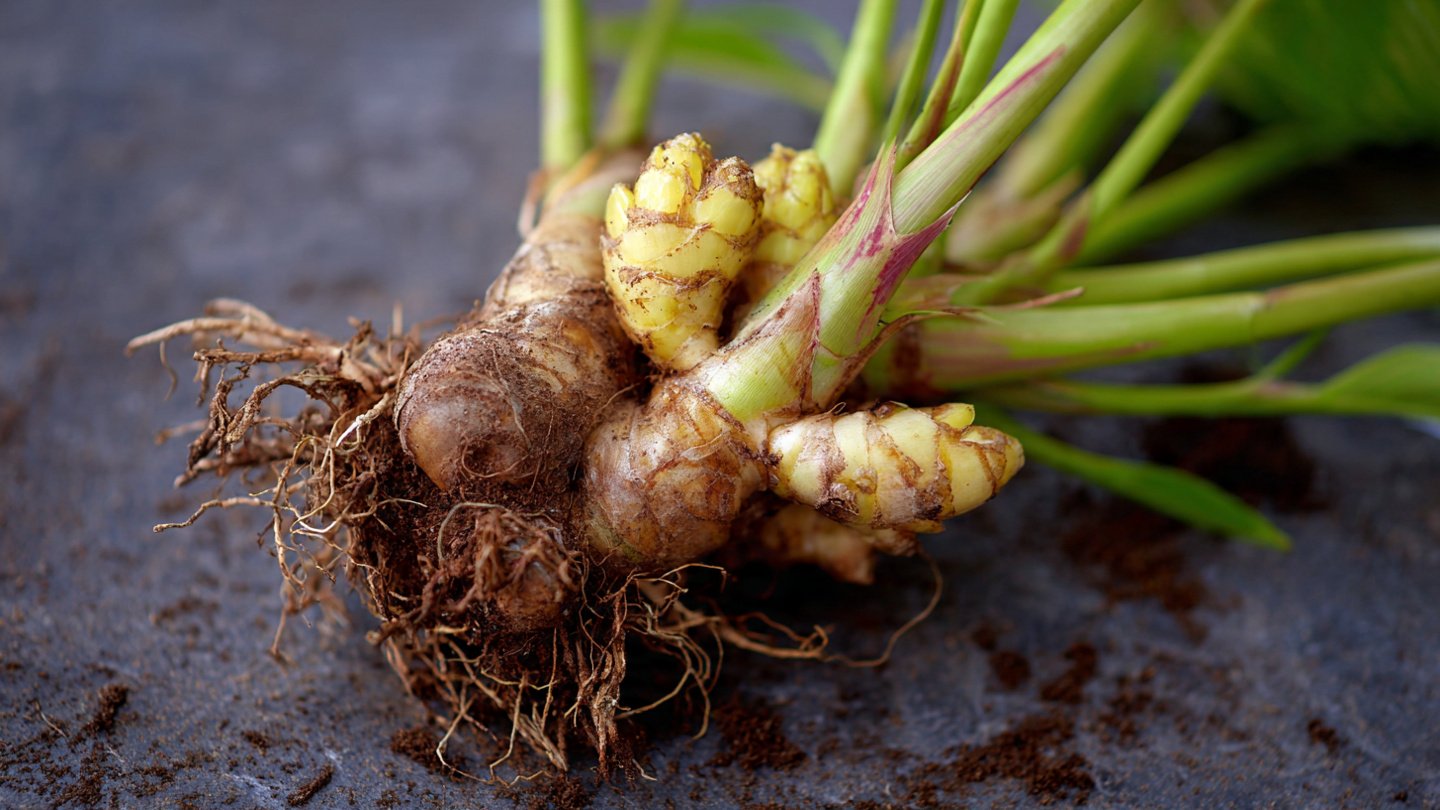
Ginger, scientifically known as Zingiber officinale, is not just a popular spice; it’s also lauded for its numerous health benefits. If you’re considering growing ginger at home, the good news is that you can cultivate a lifetime supply from just one root. This article will guide you step-by-step, ensuring you have everything you need to grow ginger successfully.
Understanding Ginger
Ginger is a perennial plant characterized by its leafy green stems and aromatic rhizomes (the root). It thrives in tropical and subtropical climates but can also be grown in containers, making it accessible for indoor gardening in cooler regions. The part we commonly use in cooking and healing is the underground rhizome.
Why Grow Ginger?
- Health Benefits: Ginger is known for its anti-inflammatory properties, aiding digestion, reducing nausea, and boosting immunity.
- Culinary Uses: From soups to desserts, ginger adds a unique flavor profile and can be used fresh, dried, or powdered.
- Availability: Growing your own ginger ensures you have fresh roots at your fingertips.
Selecting the Right Ginger Root
To start your ginger-growing journey, you need to choose the right rhizome. Here’s what to look for:
Quality of the Root
- Freshness: Select a firm, plump root that feels heavy for its size; avoid dried or shriveled roots.
- Eyes: Look for rhizomes with visible “eyes” or buds. These look similar to the eyes of a potato and are critical for growing new shoots.
Where to Buy
You can buy ginger root from:
- Grocery Stores: Fresh ginger is often available in the produce section.
- Garden Centers: Some may sell ginger specifically for planting.
- Online Nurseries: A reliable option for organic and high-quality rhizomes.
Preparing Ginger for Planting
Once you have your ginger root, you’ll need to prepare it for planting.
Cutting the Rhizome
- Dividing the Root: If you have a larger rhizome, you can cut it into several pieces. Ensure each piece has at least one or two “eyes.”
- Curing the Cuts: Let the cut pieces sit at room temperature for 24 hours to allow the cuts to heal and prevent rot.
Soaking (Optional)
For best results, soak the rhizome pieces in warm water for a few hours before planting. This encourages sprouting.
Choosing a Growing Environment
Ginger thrives in warm, humid conditions. Here’s how to create an ideal environment:
Light
- Indirect Sunlight: Ginger prefers bright, indirect light. Direct sunlight can scorch the young leaves.
- Indoor vs. Outdoor: If growing indoors, place the pot by a window shaded from harsh sunlight. Outdoors, find a spot that gets filtered sunlight.
Temperature
- Ideal Range: Ginger grows best in temperatures between 70°F to 85°F (21°C to 29°C).
- Frost Protection: Ginger is sensitive to cold; if you’re in a cooler climate, start indoors and transplant outside after the last frost.
Planting Ginger
Now that you have prepared the root and chosen the right environment, it’s time to plant.
Choosing the Right Soil
Ginger thrives in:
- Well-Draining Soil: Use a mixture of potting soil, compost, and sand to ensure proper drainage.
- Rich in Organic Matter: The soil should be rich in nutrients to promote healthy growth.
Planting Steps
- Container Selection: Choose a wide, shallow pot rather than a deep one, as ginger grows horizontally. A container should have drainage holes.
- Planting Depth: Place the ginger piece about 2-4 inches deep, with the eyes facing up.
- Watering: Water lightly after planting to keep the soil damp but not soggy.
Caring for Your Ginger Plant
Once planted, your ginger will need consistent care.
Watering
Ginger requires regular watering to maintain humidity. Follow these tips:
- Moist Soil: Keep the soil consistently moist, especially during the growing season.
- Avoid Overwatering: Ensure the pot drains excess water, as ginger is susceptible to root rot.
Fertilizing
To boost growth, consider fertilizing your ginger:
- Organic Fertilizer: Use a balanced organic fertilizer every 4-6 weeks during the growing period.
- Compost: Incorporate compost into the soil when planting and at intervals during the growth phase.
Pest and Disease Management
Keep an eye out for common pests like aphids and spider mites. Here are some remedies:
- Natural Solutions: Neem oil or insecticidal soap can help manage pest problems.
- Good Hygiene: Keep the growing area clean and remove dead leaves to prevent disease.
Harvesting Your Ginger
Ginger typically takes 8-10 months to mature, depending on the growing conditions.
Signs of Readiness
- Leaves: When the leaves turn yellow and begin to die back, the ginger is ready for harvest.
- Size: You can also harvest smaller pieces earlier if needed; just ensure you leave enough of the root for continued growth.
Harvesting Process
- Tools Needed: Use a garden fork or your hands, being careful not to damage the remaining rhizome.
- Pruning: If harvesting a larger piece, cut off a section of the rhizome and replant the rest for future growth.
Storing Fresh Ginger
If you don’t use all the harvested ginger at once, proper storage is essential:
- Short-Term: Store fresh ginger in a paper bag in the refrigerator.
- Long-Term: For extended storage, consider freezing or drying the ginger.
Tips for Growing Ginger Year-Round
If you want a continuous supply of ginger, follow these tips:
Succession Planting
- Staggered Planting: Plant small batches of ginger every few months to ensure a continuous harvest.
- Dividing Rhizomes: Every year or two, divide and replant to maintain a robust ginger supply.
Indoor Cultivation
- Potting for Indoors: Use smaller pots for indoor planting, allowing you to move them around easily for light.
- Humidity Control: Consider using a humidity tray or misting the plants regularly.
Troubleshooting Common Problems
Here are some common issues you might face while growing ginger:
Yellowing Leaves
- Cause: Indicates overwatering or nutrient deficiency.
- Solution: Adjust watering frequency and consider fertilizing.
Stunted Growth
- Cause: Inadequate lighting or poor soil conditions.
- Solution: Move the plant to a more suitable location and improve soil quality.
Conclusion
Growing ginger from just one root can yield a lifetime supply with proper care and technique. By following the steps outlined in this guide, you can enjoy fresh ginger in your culinary endeavors while reaping its health benefits. With patience and diligence, ginger gardening can be an immensely rewarding venture, providing you with not just a spice, but a perpetual source of nutrition and wellness. Embrace the journey, and soon you’ll find that one root can indeed lead to many more!