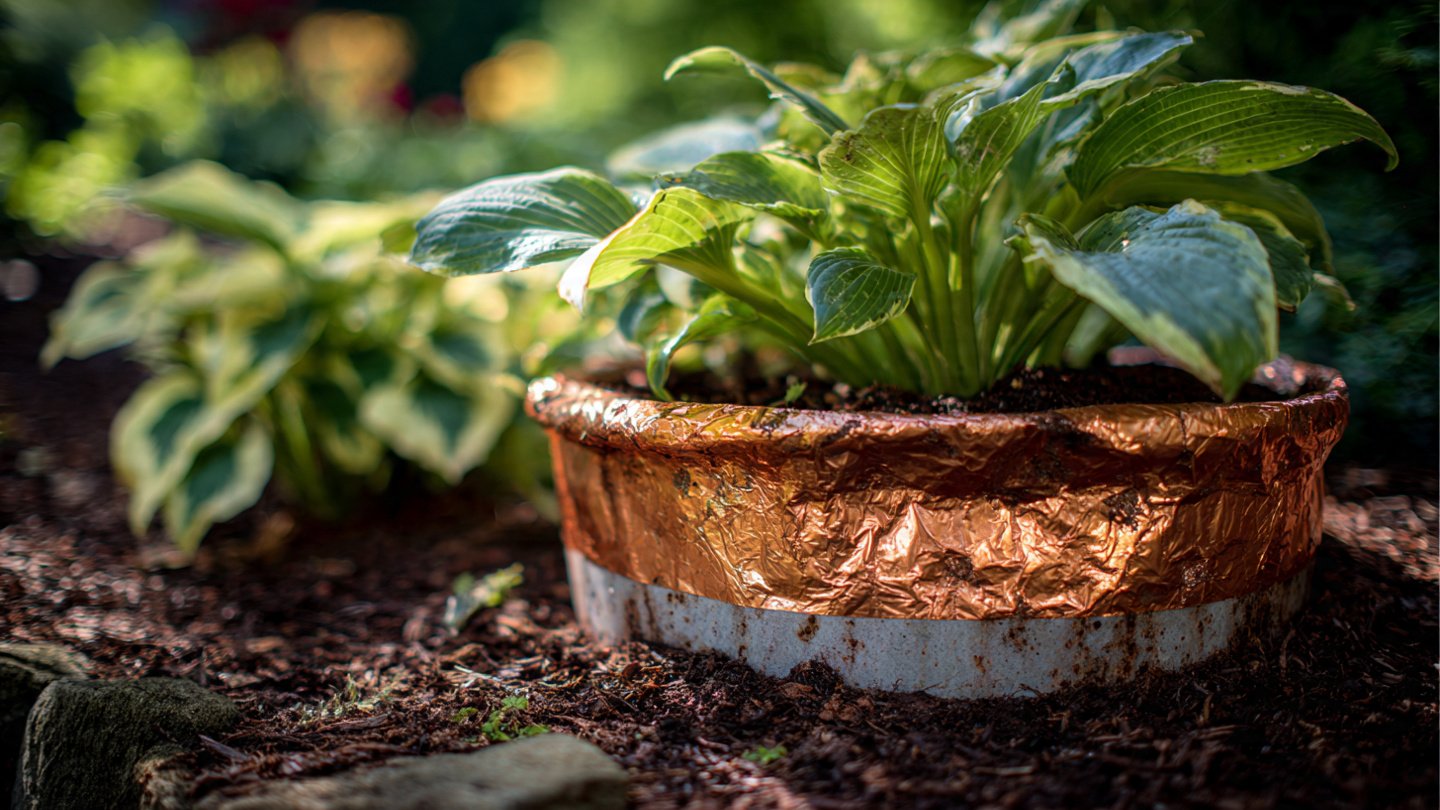
How Does Copper Tape Keep Potted Hosta Safe from Pests?
If you’re an avid gardener, you know that protecting your plants from pests is a critical aspect of maintaining a healthy garden. Potted hostas, with their lush foliage and vibrant colors, can fall victim to a variety of pests, including slugs, snails, and even some insects. One effective and eco-friendly method of pest control that has gained popularity among gardeners is the use of copper tape. This article will delve into how copper tape works, its benefits, and best practices for using it to keep your potted hostas safe from pests.
Understanding Hostas and Their Vulnerabilities
Hostas are perennial plants known for their striking foliage and resilience. However, they are not impervious to pests. Slugs and snails, in particular, find hostas to be an appealing snack due to their soft, tender leaves. These pests not only chew through the leaves but can also transmit diseases and create an overall unhealthy environment for the plant.
Beyond slugs and snails, hostas can be susceptible to other pests like aphids and spider mites. These critters can sap the vitality of your hostas, leading to stunted growth and poor health. Protecting your hostas effectively means understanding what attracts these pests and finding solutions to deter them.
What is Copper Tape?
Copper tape is a thin strip of copper metal that can be easily adhered to the edges of pots or garden beds. It is typically 1 to 2 inches wide and is often self-adhesive, making it easy to apply. The tape is widely appreciated not just for its utilitarian aspect but also for its aesthetic appeal; its bright, metallic finish can add a decorative touch to pot designs.
How Does Copper Tape Work Against Pests?
1. Electrolytic Effect
The primary mechanism by which copper tape deters slugs and snails is through an electrolytic effect. When these pests come into contact with copper, a reaction occurs that generates a slight electrical charge. While this charge is not harmful enough to kill the pests, it is enough to deter them. Slugs and snails have a moist, slimy body that acts as a conductor; hence, the electrical charge creates an uncomfortable experience, prompting them to retreat.
2. Physical Barrier
In addition to the electrical deterrent, copper tape serves as a physical barrier. The mere presence of the tape can dissuade pests from approaching your hostas entirely. A well-placed strip of copper tape around the base of a pot can prevent slugs and snails from climbing up to the plant itself. This is particularly useful in preventing infestation, as it essentially creates a no-go zone for these creatures.
Advantages of Using Copper Tape
1. Eco-Friendly Solution
One of the most significant benefits of copper tape is that it is an environmentally friendly alternative to chemical pesticides. Many traditional pest control methods can have detrimental effects on the ecosystem and pollinate insects. In contrast, copper tape poses no threat to beneficial insects, making it a more sustainable choice.
2. Longevity and Durability
Copper is a durable material that can withstand varying weather conditions. Once applied, copper tape can last for several months or even years, making it a cost-effective solution. Unlike some organic deterrents that need to be reapplied frequently, copper tape often requires minimal maintenance.
3. Minimal Mess
Another advantage of copper tape is that it requires little to no cleanup. Unlike some chemical treatments that can leave behind residues, copper tape is clean and easy to install. This feature is particularly appealing for indoor gardeners who are concerned about mess in their living spaces.
4. Versatility
Copper tape can be used in various gardening contexts. Whether you’re protecting potted hostas on your balcony or safeguarding garden beds from pests, this tape is highly adaptable. It can be placed around pots, planters, and even fences to create a broader protective barrier.
Best Practices for Using Copper Tape
1. Placement
For maximum efficiency, it’s essential to place the copper tape correctly. Wrap the tape around the base of your potted hostas, ensuring that there are no gaps. If possible, secure the tape to the pot itself for added stability. The tape should be at least 2 inches high to deter slugs effectively.
2. Clean the Surface
Before applying copper tape, clean the surface of the pot or planter. Any dirt or moisture can compromise the adhesive quality of the tape, reducing its effectiveness. A clean surface ensures that the tape adheres properly and creates a solid barrier against pests.
3. Monitor for Effectiveness
While copper tape is quite effective, it’s essential to monitor your plants periodically. Check for signs of pest activity, such as holes in the leaves or slime trails from slugs and snails. If you notice pest activity despite the copper tape, it may be necessary to combine it with other pest control methods.
4. Combine with Other Techniques
Consider using copper tape as part of a more extensive pest management strategy. While it is effective, combining it with other techniques can enhance your plant’s resilience. Incorporate cultural practices like crop rotation, companion planting, or using barriers like row covers for even better results.
Limitations of Copper Tape
While copper tape has many advantages, it also has limitations. For instance, it’s not a foolproof solution against all types of pests. Some insects, like aphids, can still reach your hostas without much trouble. Therefore, consider using copper tape in conjunction with other pest control strategies.
Additionally, the cost of copper tape can be a factor for some gardeners. Depending on the size of your garden or the number of potted plants you have, you may need to purchase multiple rolls of tape. However, many find that the investment is well worth it for the peace of mind it provides.
Conclusion
Copper tape stands out as a highly effective, eco-friendly solution for keeping potted hostas safe from pests. Its dual action—serving both as a physical barrier and an electrolytic deterrent—makes it a formidable line of defense against slugs, snails, and other potential threats.
By using copper tape, gardeners can enjoy a beautiful garden without resorting to harmful chemicals, ensuring a healthy environment for beneficial organisms. To optimize its effectiveness, ensure proper placement, and consider combining copper tape with other pest management strategies.
With these practices in mind, you can cultivate a thriving garden of colorful hostas, free from the menace of unwanted pests. Embrace the benefits of copper tape and watch your potted plants flourish, all while contributing positively to the ecosystem. Happy gardening!