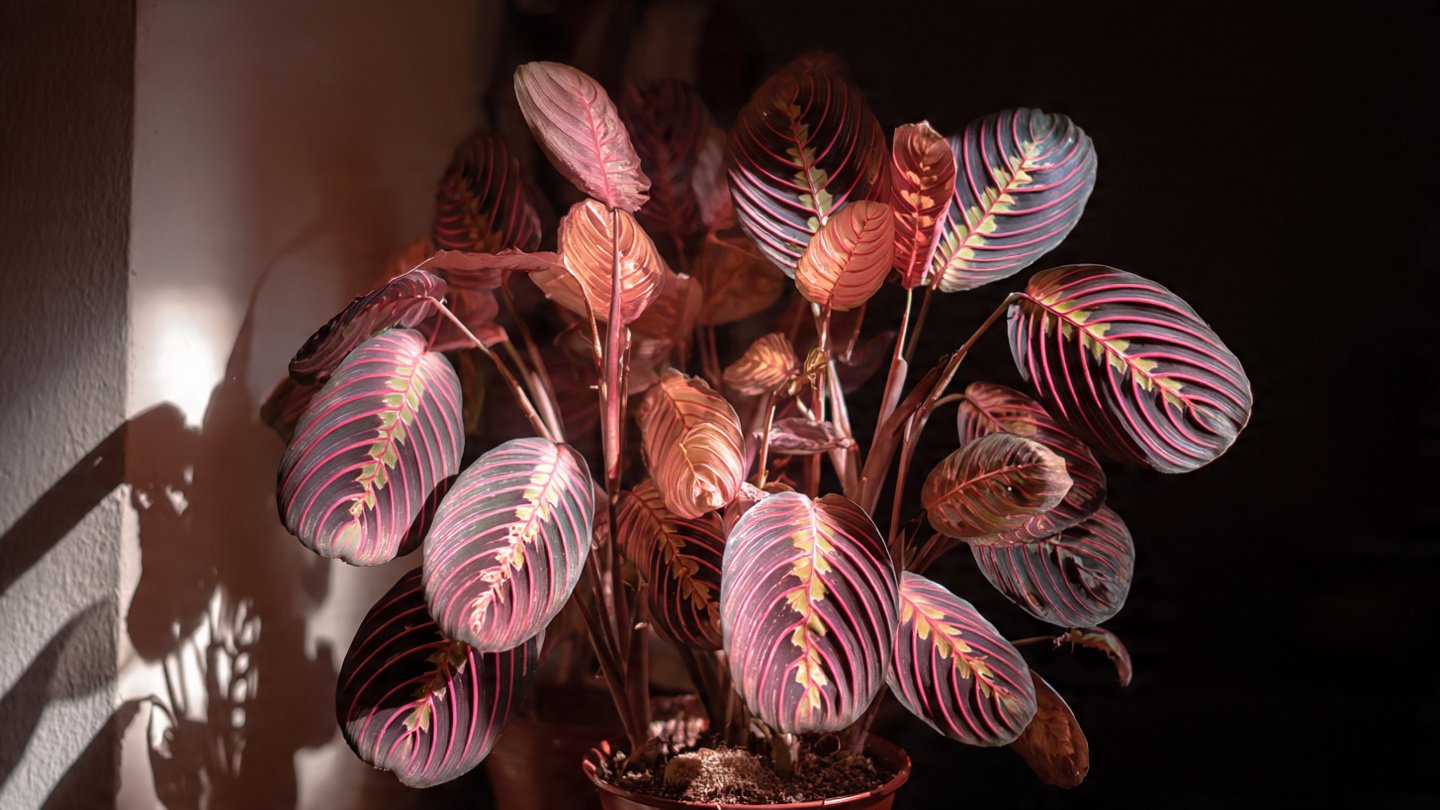
The prayer plant, scientifically known as Maranta leuconeura, is a popular houseplant celebrated for its stunning foliage and intriguing behavior. One of its most captivating features is the way its leaves fold up at night, resembling hands in prayer. This phenomenon raises questions among plant enthusiasts and curious minds alike: Why does your prayer plant close its leaves each night? The answer lies in a combination of botanical adaptations, environmental cues, and plant biology.
What Is the Prayer Plant?
The prayer plant belongs to the family Marantaceae and is native to the tropical regions of Central and South America. It is characterized by its attractive, patterned leaves that can be green, red, or even purple, adding a vibrant touch to any indoor space.
What Causes the Leaf Movement?
The movement of the prayer plant’s leaves is called “nyctinasty,” a biological response to the daily cycle of light and darkness. This phenomenon is not unique to the prayer plant; many plants exhibit similar behaviors. Here are the key factors influencing this fascinating movement:
- Photoperiodism: Plants respond to changes in light conditions throughout the day. While many plants grow towards light, the prayer plant reacts to decreasing light by closing its leaves.
- Temperature Changes: Evening temperatures often drop, prompting the prayer plant to respond by closing its leaves as a protective measure.
- Water Conservation: By folding its leaves, the prayer plant may reduce moisture loss through transpiration, making it more efficient at conserving water during the night.
- Resting State: Like other living organisms, plants need rest. The closing of leaves allows the plant to enter a state of metabolic slowing, conserving energy until the next day.
The Mechanism Behind Nyctinasty
The closing and opening of the leaves result from changes in turgor pressure within specialized cells called “pulvini” located at the base of each leaf. When light is abundant, these cells fill with water, causing the leaves to open fully. At dusk, the water pressure decreases, and the leaves fold together. This intriguing mechanism highlights the complex interactions between plants and their environment.
Factors Affecting Leaf Behavior
While the prayer plant regularly exhibits nyctinasty, several factors can influence this behavior:
- Lighting Conditions: Adequate light during the day supports healthy leaf movement. Poor lighting can lead to weakened plants that struggle to follow the natural rhythm.
- Humidity Levels: The prayer plant thrives in high humidity. Low humidity can affect its leaf movement, leading to wilting or browning of leaf edges.
- Temperature: Ideal temperatures for prayer plants range between 70°F to 80°F (21°C to 27°C). Significant fluctuations can stress the plant, potentially affecting leaf movement.
- Watering Practices: Overwatering or underwatering can lead to poor leaf health and impact their ability to open and close properly.
How to Care for Your Prayer Plant
Understanding how to care for your prayer plant is crucial for maintaining its health and, consequently, its unique leaf behavior. Here are some tips:
- Light: Provide bright, indirect sunlight. Direct sunlight can scorch the leaves, while inadequate light can hinder the plant’s natural movements.
- Watering: Keep the soil consistently moist but not soggy. Water when the top inch of soil feels dry.
- Humidity: Aim for humidity levels of 50% or higher. Consider using a humidifier or placing a pebble tray filled with water under the pot.
- Temperature: Maintain a stable temperature and avoid cold drafts that can stress the plant.
- Fertilization: Use a balanced, water-soluble fertilizer during the growing season (spring and summer) to promote healthy growth.
Conclusion
The prayer plant’s nightly leaf movements are a remarkable example of how plants adapt to their environment. Through nyctinasty, these plants reply to changes in light, temperature, and humidity, effectively managing their health and resources. Observing this behavior not only enhances the experience of caring for them but also deepens our appreciation for the complexity of plant life. By providing the right conditions for your prayer plant, you’ll ensure it continues to display its charming and lively leaf movements for years to come.
FAQs
1. Why do my prayer plant leaves not close at night?
If your prayer plant’s leaves aren’t closing at night, it might be due to inadequate light, low humidity, or stress from temperature fluctuations. Ensure that it has optimal growing conditions to encourage its natural behavior.
2. How often should I water my prayer plant?
Water your prayer plant when the top inch of soil feels dry. Typically, this may be once a week, but it can vary based on environmental conditions.
3. Can I grow a prayer plant in direct sunlight?
It is not advisable to place your prayer plant in direct sunlight, as it can scorch the leaves. It prefers bright, indirect light for optimal growth.
4. What should I do if my prayer plant’s leaves are drooping?
Drooping leaves can indicate underwatering or overwatering. Assess the soil moisture and adjust your watering schedule as necessary. Also, check for any pests or diseases.
5. Are prayer plants safe for pets?
Yes, prayer plants are generally considered non-toxic to cats and dogs. However, it’s always best to monitor your pets around plants, as ingestion of any plant material may cause digestive upset.