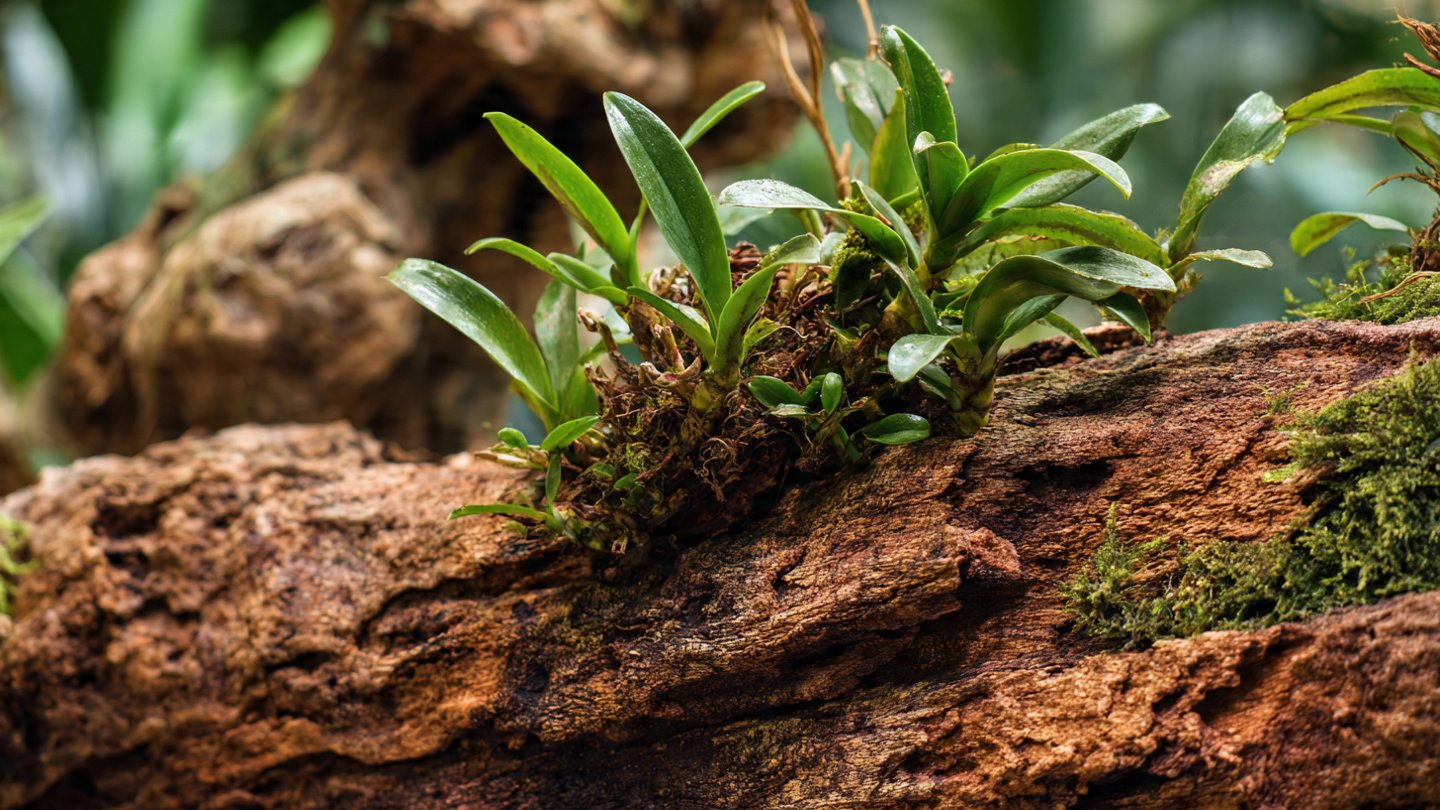
Orchids are widely praised for their exquisite beauty and diverse species. However, cultivating these plants requires special care, particularly regarding their potting medium. One of the most significant choices a grower faces is whether to use traditional soil or bark as the growing medium. This article delves into why bark is often the superior choice for growing orchids.
Understanding Orchids’ Natural Environment
Orchids are native to tropical and subtropical regions around the world, often growing on trees as epiphytes. In their natural habitat, they are adapted to unique environmental conditions that are critical for their growth and blooming. This includes adequate drainage, aeration, and moisture retention, which is where bark comes into play.
Benefits of Using Bark for Orchids
1. Enhanced Drainage
Bark, especially when sourced from species like pine or fir, provides excellent drainage capabilities. This prevents the roots from sitting in water, significantly reducing the risk of root rot—a major concern for orchid growers. Good drainage is crucial because orchards in their natural environment typically do not have their roots submerged in water.
2. Improved Aeration
Another vital aspect of growing healthy orchids is ensuring that their roots have access to oxygen. Bark chunks create air pockets within the potting medium, allowing for better airflow around the roots. This aerobic environment promotes healthy root development and minimizes the chances of fungal and bacterial diseases.
3. Ideal Moisture Retention
While bark allows for excess water to escape, it retains moisture effectively. The porous nature of bark means that it can hold water and nutrients without becoming waterlogged. This balance prevents drought stress while also avoiding the detrimental effects of overly saturated soil.
4. Nutrient Availability
Over time, bark breaks down into smaller particles, releasing essential nutrients that orchids need. This slow release of nutrients serves as a natural fertilizer, providing the plants with what they require for healthy growth without the risk of chemical buildup that can occur with soil-based growing mediums.
Comparing Bark to Soil
While soil might seem like a convenient option for potting orchids, it often proves to be less suitable than bark. Here’s why:
- Soil retains too much moisture: Unlike bark, soil tends to retain water, which can lead to consistently damp conditions unfavorable for orchids.
- Compaction risk: Soil can compact over time, creating a solid mass that restricts airflow to the roots, thus hindering growth.
- Potential for pests and diseases: Soil can harbor pests and pathogens that are harmful to orchids. Bark, especially when sterilized or sourced from trusted suppliers, is far less likely to introduce these issues.
- Nutrient imbalances: Combined nutrients in soil can often lead to an imbalance, particularly if not managed effectively. Bark provides a more controlled nutrient release, reducing the risk of fertilizer burn.
Procurement and Preparation of Bark
When opting for bark as a growing medium, it is essential to select the right type and prepare it adequately. Here’s a brief guide:
Selecting the Right Bark
Look for bark from sources like:
- Pine bark
- Fir bark
- Coconut husk
These materials have proven to be effective in providing a suitable environment for orchids. Ensure that the bark is fresh, clean, and free of contaminants.
Preparing the Bark for Use
Before using the bark, consider the following steps:
- Cleaning: Remove any dust, debris, or pieces of bark that are too small to provide aeration.
- Soaking: Soaking the bark for several hours can help enhance moisture retention, creating a more favorable environment right from the start.
- Mixing: Consider mixing the bark with other materials like perlite, charcoal, or sphagnum moss to customize the potting medium to your specific needs.
Conclusion
Choosing the right growing medium is crucial for the success of orchids. Bark offers numerous benefits, including enhanced drainage, improved aeration, ideal moisture retention, and a slow release of nutrients. In contrast, soil often creates conditions that are not conducive to the health and growth of orchids. By understanding the unique needs of these beautiful plants and opting for bark, growers can significantly increase their chances of success and enjoy the stunning blooms that orchids can provide.
FAQs
1. Can I use soil if I’m careful with watering?
While careful watering can mitigate some issues associated with using soil, it usually doesn’t provide the ideal conditions that orchids thrive in. Bark is still the better option for most orchid species.
2. How often should I repot my orchids using bark?
Orchids should generally be repotted every 1-2 years, depending on the degradation of the bark. Check for signs of compacting or breakdown to determine the right time.
3. What type of bark is best for all orchids?
Pine bark is widely regarded as one of the best options due to its balance of drainage and moisture retention. However, always consider the specific needs of your orchid species.
4. Can I mix bark with other materials?
Yes, mixing bark with materials like perlite, sphagnum moss, or charcoal can enhance aeration and improve moisture retention, tailoring the mixture to the specific needs of your orchids.
5. How can I tell if my orchids are thriving in bark?
Signs of thriving orchids include healthy green leaves, strong root growth, and regular blooming. If you notice yellowing leaves or stunted growth, it may indicate other issues, not just the growing medium.