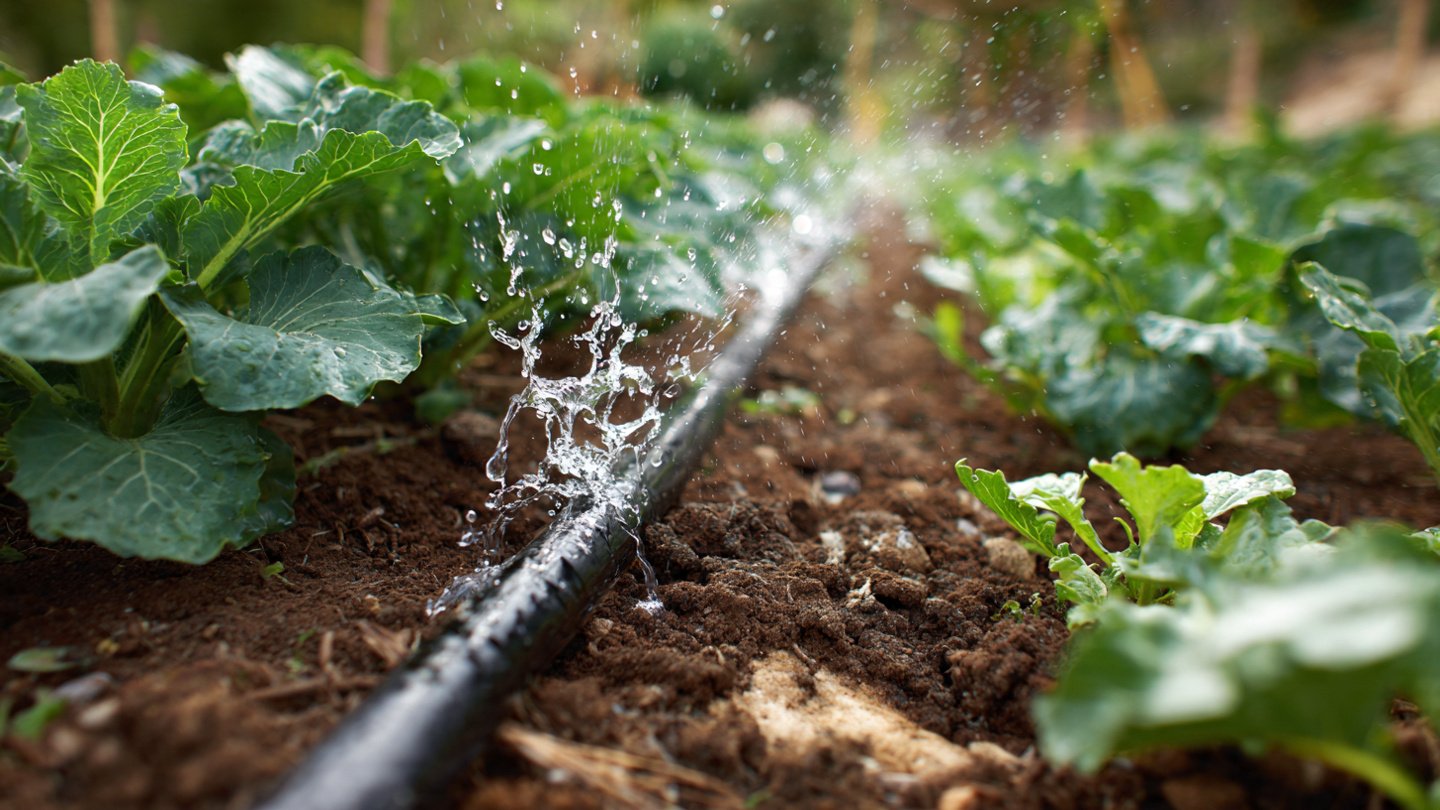
In the realm of gardening, vegetables thrive on specific conditions, and one of the most critical elements is proper drainage. Too often, gardeners overlook the importance of managing water in their gardens, leading to a host of problems that can hinder growth and yield. Implementing effective drainage strategies transforms not only the health of your plants but also the overall productivity of your garden.
Understanding the Importance of Drainage
Proper drainage refers to the ability of soil to allow excess water to flow away, ensuring that plant roots receive the necessary moisture without becoming waterlogged. Without adequate drainage, gardens can suffer from:
- Waterlogged Soil: Excessive standing water can cause roots to suffocate, leading to plant stress and death.
- Pest Problems: Moist environments encourage pests like slugs and certain fungi, which can devastate your vegetable crops.
- Nutrient Leaching: Poor drainage can wash away essential nutrients, leaving your plants deprived of the elements they need to thrive.
- Root Rot: Excess moisture can lead to diseases such as root rot that impact plant health.
Benefits of Proper Drainage in Your Vegetable Garden
1. Improved Soil Aeration
With proper drainage, the soil remains aerated, allowing plant roots to breathe. This aeration is crucial for root development and promotes healthy plants that can absorb nutrients effectively. Roots need oxygen to thrive, and good drainage systems enable both air and water movement within the soil.
2. Enhanced Root Development
Healthy roots lead to robust plants. When roots have access to the right moisture level, they can grow deeper and wider, which ultimately provides better support for the plant and aids in nutrient uptake. Well-drained soil allows roots to penetrate more deeply, encouraging a stronger, more productive vegetable garden.
3. Reduced Risk of Disease
Wet conditions create a conducive environment for diseases. Typical garden diseases such as powdery mildew and root rot thrive in waterlogged regions. Proper drainage helps mitigate these risks, fostering healthier plants and reducing the need for chemical treatments. By maintaining dry conditions, you can protect your vegetables from various soil-borne pathogens.
4. Increased Crop Yield
When vegetables are healthy, they produce more fruit or foliage. With the proper drainage in place, plants spend less energy fighting off diseases or searching for nutrients, ultimately directing that energy into growth and producing yields. Studies show that gardens with superior drainage systems yield more bountiful crops compared to those without.
5. Efficient Water Usage
Effective drainage not only prevents overwatering but also ensures that rainfall and irrigation water penetrate the soil efficiently. This efficiency maximizes water use, ensuring that plants receive adequate moisture without waste. By managing water properly, you can conserve this vital resource, especially in times of drought.
Implementing Proper Drainage Techniques
Now that we understand the importance of drainage, let’s explore various techniques to implement effective drainage solutions in your vegetable garden:
1. Soil Testing
Begin by testing your soil to understand its drainage capabilities. Sandy soils drain quickly, while clay soils retain water. Knowing your soil type will help you decide on the necessary drainage strategies.
2. Raised Beds
Building raised garden beds is one of the best methods for improving drainage. Elevated beds allow excess water to drain away from the roots, preventing waterlogging. Additionally, raised beds warm up faster in spring, providing an early start for your vegetables.
3. Incorporating Organic Matter
Adding organic matter such as compost improves soil structure and drainage. Organic materials create air pockets within the soil, which enhances aeration and helps retain moisture without becoming overly saturated.
4. French Drains
For gardens that struggle with standing water, installing a french drain can be an effective solution. This system directs excess water away from your garden, allowing your plants to remain healthy and thrive.
5. Drainage Tiles
Using drainage tiles can help control water levels in your garden. These subterranean systems allow excess water to be diverted away efficiently, making them ideal for areas that frequently experience flooding.
6. Slope Grading
If your garden is on a slope, consider grading the land to direct water flow away from plant beds. This technique can help ensure that excess water is diverted away from your crops, promoting better drainage and healthier plants.
7. Regular Maintenance
Finally, ongoing maintenance is crucial. Regularly check your drainage systems to clear blockages and ensure functionality. Taking proactive steps to maintain your drainage will pay off in the long run.
Conclusion
In the journey of cultivating a vibrant vegetable garden, proper drainage is a vital element that can lead to thriving plants and bountiful harvests. By understanding and implementing effective drainage systems, gardeners can enhance soil aeration, increase root health, lower disease risks, boost crop yield, and optimize water use. Proper drainage transforms not just the garden’s physical landscape but also its productivity and sustainability.
Embrace the power of proper drainage and watch as your vegetable garden flourishes like never before!
FAQs
1. How do I know if my garden has drainage issues?
If you notice standing water after heavy rains, plants that wilt even with enough moisture, or slow-growing crops, your garden may have drainage problems.
2. Can I improve drainage in clay soil?
Yes! Adding organic matter, creating raised beds, and incorporating sand can significantly improve drainage in clay soil.
3. What are some signs of root rot?
Yellowing leaves, wilting despite adequate watering, and mushy roots all may indicate root rot.
4. How often should I check my drainage systems?
During wet seasons, check your drainage systems regularly to ensure they are clear and functioning. Otherwise, a quarterly check can suffice.
5. Can I use gravel for drainage?
Yes! Incorporating gravel or stones in the planting area can help improve drainage by allowing water to flow through more easily.