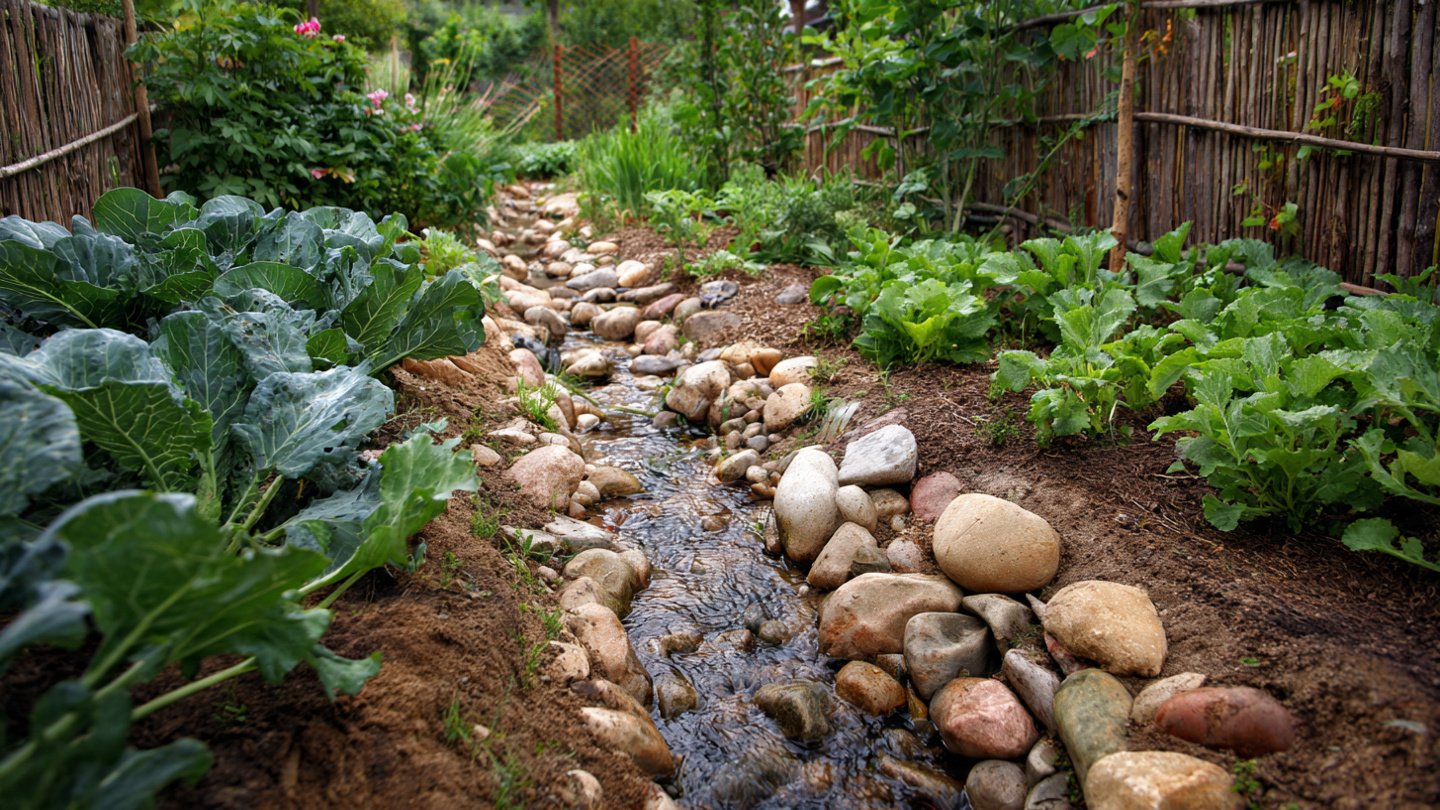
Growing vegetables can be a fulfilling endeavor, but successful gardening goes beyond just planting seeds in the soil. One of the vital aspects that can significantly affect the growth and health of your vegetable garden is proper drainage. Whether you are a seasoned gardener or a beginner, understanding how drainage impacts your garden is crucial.
The Importance of Proper Drainage
The role of drainage in a vegetable garden cannot be overstated. Excess water can lead to a myriad of problems, including root rot, fungal diseases, and poor nutrient uptake. Conversely, too little water can cause stress for plants, leading to stunted growth. The balance between too much and too little is where effective drainage comes into play.
Why Drainage Matters
Proper drainage ensures that water does not pool around the roots of plants, allowing them to breathe and absorb the necessary nutrients. Here are some key reasons why proper drainage is essential for your vegetable garden:
- Prevents Root Rot: Standing water can suffocate roots, leading to rot and eventual death of the plants.
- Encourages Healthy Root Development: Well-drained soil promotes deeper root growth, enhancing nutrient uptake and stability.
- Avoids Soil Compaction: Good drainage helps maintain soil structure, preventing compaction that inhibits root growth.
- Minimizes Pests and Diseases: Excess moisture can attract pests and promote fungal growth, which can be detrimental to plant health.
How to Improve Drainage in Your Vegetable Garden
If you’re experiencing drainage issues, don’t worry! There are several effective methods to enhance drainage in your vegetable garden.
1. Soil Amendments
Incorporating organic matter such as compost or well-rotted manure can improve soil structure and drainage. These amendments help create air pockets in the soil, allowing water to flow through more easily.
2. Raised Garden Beds
Building raised garden beds can be an excellent solution for poor drainage. By elevating your planting area, you allow excess water to drain away from the roots, improving overall soil quality.
3. Create Contours
If you have a sloped garden, contouring the soil can help direct water away from the plants. This technique involves shaping the garden so water flows adequately away from the roots rather than pooling around them.
4. Install Drains
For serious drainage issues, installing drainage pipes or trenches can effectively channel excess water away from your garden. This option can be more invasive but is highly effective.
5. Use Mulch
Applying a layer of organic mulch can help retain moisture while allowing excess water to evaporate, effectively balancing soil moisture levels.
Choosing the Right Vegetables for Your Soil Type
Understanding the type of soil you have can help you select the best vegetables to grow, allowing you to maximize your garden’s potential. Here’s a quick guide:
- Sandy Soil: Drains quickly, ideal for Mediterranean vegetables like tomatoes and peppers.
- Clay Soil: Retains water; consider growing water-tolerant plants like okra or certain varieties of squash.
- Loamy Soil: Best of both worlds; grow a wide variety of vegetables like carrots, beans, and spinach.
Recognizing Drainage Issues in Your Garden
Being proactive about drainage means knowing the signs of potential problems. Here’s what to look for:
- Puddles in the Garden: Standing water is a clear indicator of poor drainage.
- Soggy Soil: If the ground remains damp for extended periods after it rains, drainage could be an issue.
- Poor Plant Growth: Stunted plants or those that are wilting can suggest drainage problems.
- Root Rot: Yellowing leaves and a foul smell from the soil can indicate root rot due to waterlogged conditions.
The Long-Term Benefits of Proper Drainage
Investing the time to improve drainage in your vegetable garden brings long-term rewards. When your plants are healthy, you can expect:
- Higher Yields: Healthy plants directly contribute to more abundant harvests.
- Biodiversity: A thriving garden attracts beneficial insects and other wildlife that can help your garden flourish.
- Less Pest Problems: Reduced fungal diseases and consistent watering lead to fewer pest invasions.
- Healthier Soil: Continuous improvement in soil structure enhances fertility and resilience.
Conclusion
Proper drainage is a cornerstone of a successful vegetable garden. By understanding the importance of drainage and implementing effective strategies, you can transform your garden’s health and yield. Whether through soil amendments, raised beds, or simple observation, maintaining a well-drained environment for your plants is essential. You’ll not only enhance the growth and vitality of your vegetables but also cultivate a more sustainable and enjoyable gardening experience.
FAQs
Q1: How can I tell if my vegetable garden has drainage problems?
A1: Look for signs such as standing water, soggy soil, stunted plant growth, or root rot symptoms. These indicators suggest poor drainage.
Q2: Can I improve drainage in a raised bed?
A2: Yes, you can enhance drainage in raised beds by incorporating organic matter and ensuring there are adequate holes for water to escape.
Q3: What types of vegetables grow well in heavy clay soil?
A3: Vegetables like okra, certain squashes, and other water-tolerant plants thrive in heavy clay soil conditions.
Q4: Is adding sand to my soil a good way to improve drainage?
A4: Adding sand can improve drainage, but it’s best combined with organic matter to prevent soil compaction.
Q5: How often should I check my garden’s drainage?
A5: Regular checks after heavy rainfall or during periods of growth can help you catch drainage issues early.