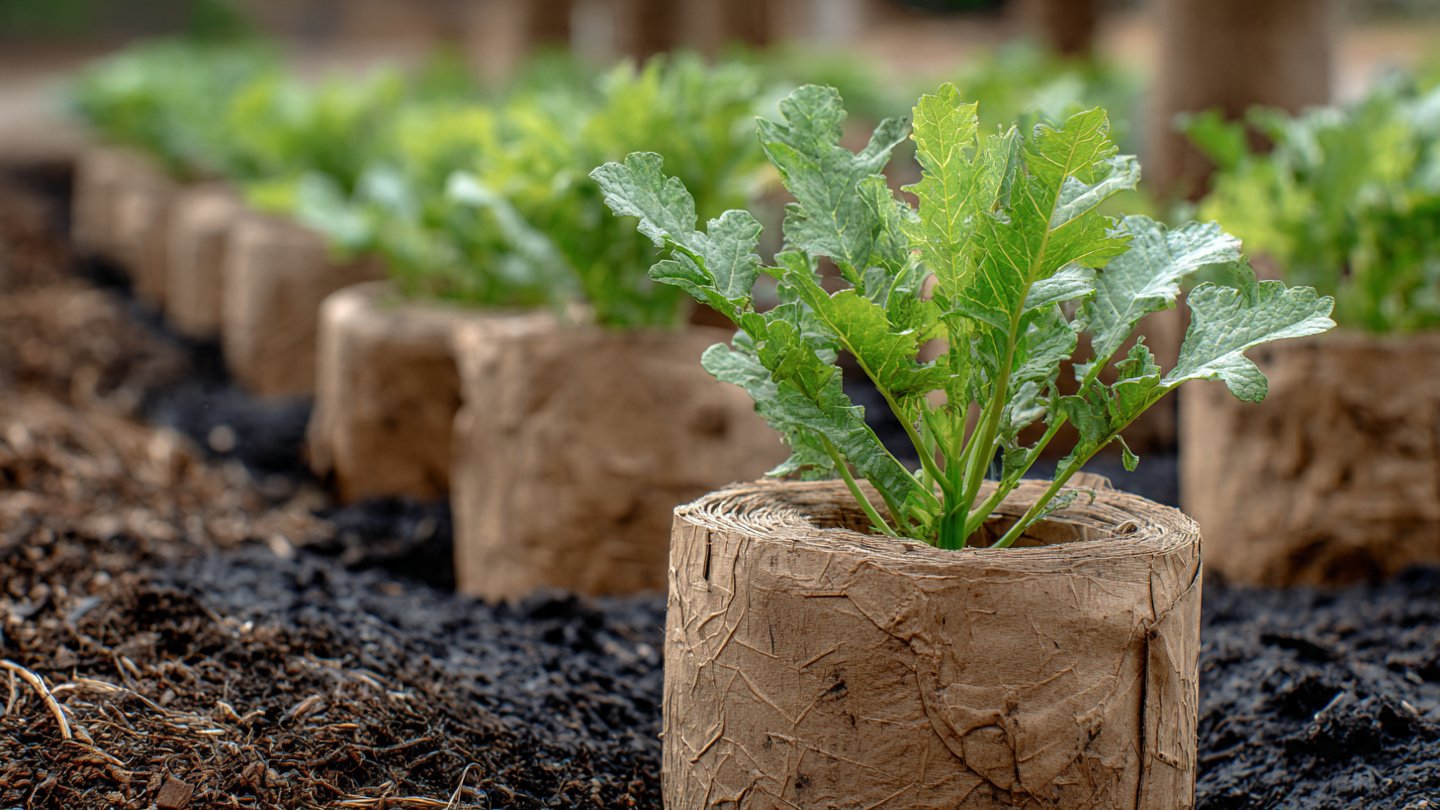
The choice between cardboard and plastic mulch in gardening is a critical decision that affects not just the efficiency of the garden but also its long-term sustainability. While plastic mulch has been a staple in the agricultural world due to its effectiveness, cardboard is gaining traction as a more eco-friendly alternative. This article explores the merits of using cardboard mulch, examining its benefits, applications, and impact on garden efficiency while also addressing common concerns that gardeners might have.
Understanding the Basics of Mulching
Mulching is an essential gardening practice that involves covering the soil to conserve moisture, improve soil fertility, and suppress weeds. Traditionally, many gardeners have utilized plastic mulch for its waterproof qualities, allowing for better weed control and soil temperature regulation. However, the drawbacks of plastic, including environmental concerns and its effect on soil health, have led to an increased interest in cardboard as a sustainable alternative.
Benefits of Using Cardboard Mulch
1. Environmental Sustainability
Cardboard is a recyclable and biodegradable material, making it an environmentally friendly choice. Unlike plastic, which can take hundreds of years to decompose, cardboard breaks down naturally, enriching the soil as it does so. This process contributes organic matter, which improves soil structure and fertility.
2. Cost-Effective Solution
For many gardeners, affordability is a significant factor. Cardboard is often available for free or at a minimal cost, especially if sourced from local businesses or home deliveries. This cost-effectiveness enables gardeners to cover larger areas without breaking the bank.
3. Excellent Weed Suppression
Cardboard acts as a barrier against weeds, suppressing their growth effectively. When layered properly, it blocks sunlight from reaching weed seeds and prevents them from germinating, similar to plastic mulch. This effectiveness can significantly reduce labor costs associated with weeding through the growing season.
4. Soil Moisture Retention
Cardboard is excellent at retaining moisture in the soil, helping to keep plant roots hydrated during dry spells. By providing a natural, breathable cover, cardboard prevents soil erosion and maintains a more consistent moisture level compared to plastic covers, which can lead to runoff.
5. Promotes Healthy Soil Microbiology
The decomposition of cardboard over time fosters a healthy environment for soil microorganisms. Earthworms and beneficial bacteria thrive in this environment, enhancing nutrient availability. These organisms play a vital role in breaking down organic matter and maintaining soil health, ensuring that plants receive the nutrients they need to flourish.
How to Use Cardboard Mulch Effectively
Although cardboard is a practical option for mulching, how you use it is crucial for maximizing its benefits. Here are some tips to effectively utilize cardboard in your garden:
1. Preparing the Area
Clear the area of weeds and debris to create a clean surface. Wetting the cardboard before laying it down can make it more pliable and easier to manage.
2. Layering Cardboard
To effectively block weeds, overlap cardboard pieces and layer them thickly. Aim for at least 2-3 layers for optimum effectiveness, adjusting the thickness based on specific weed pressure in your area.
3. Cutting Holes for Plants
After laying down the cardboard, cut holes where you want to plant your seedlings or seeds. Ensure the holes are wide enough to allow for root growth while still providing sufficient coverage around the plants.
4. Watering and Maintenance
Once the cardboard is in place and plants are established, water the area regularly. Over time, monitor soil moisture levels and adjust irrigation practices as needed, especially during dry spells.
Downsides of Plastic Mulch
While exploring cardboard mulch, it’s important to recognize the downsides of the more traditional plastic option:
1. Environmental Impact
Plastic mulch is not biodegradable and contributes to landfill waste. Over time, it contributes to microplastic pollution, which can severely affect local wildlife and ecosystems.
2. Soil Health Issues
Plastic can create a barrier that excludes beneficial soil organisms, hindering their natural processes. This can lead to a decline in soil health and nutrient availability over time.
3. Cost
Quality plastic mulch can be costly, particularly when used on larger farms or gardens. The need for regular replacements increases long-term costs, as plastic tends to wear out and require frequent replacement.
Conclusion
Choosing cardboard over plastic mulch can significantly enhance the efficiency and sustainability of your garden. From promoting healthy soil and reducing costs to offering effective weed suppression and moisture retention, cardboard serves as a robust alternative to plastic. As awareness grows regarding environmental issues, more gardeners are opting for eco-friendly solutions like cardboard to create healthier, more productive gardens. By understanding the benefits of cardboard mulch and applying it correctly, you can improve your garden’s efficiency while doing your part for the planet.
FAQs
1. How long does cardboard take to decompose in the garden?
Cardboard typically takes 1 to 3 months to break down in the garden, depending on conditions like moisture and temperature. As it decomposes, it enriches the soil with organic matter.
2. Can I use colored or glossy cardboard in my garden?
It’s best to avoid glossy or colored cardboard, as the inks and finishes may contain chemicals that could leach into the soil. Stick with plain, untreated cardboard for safety.
3. Will cardboard attract pests?
While cardboard can attract certain pests, like termites, it’s generally safe to use in the garden if laid correctly and managed well. Ensure any food contamination is removed before using it as mulch.
4. How do I dispose of plastic mulch after use?
Plastic mulch should be collected and disposed of according to local waste management guidelines. Some companies may offer recycling options specifically for agricultural plastics.
5. Can I combine cardboard mulch with other organic materials?
Absolutely! Combining cardboard with other organic materials like leaves or straw can enhance the benefits, providing additional nutrients and helping with moisture retention as they break down together.