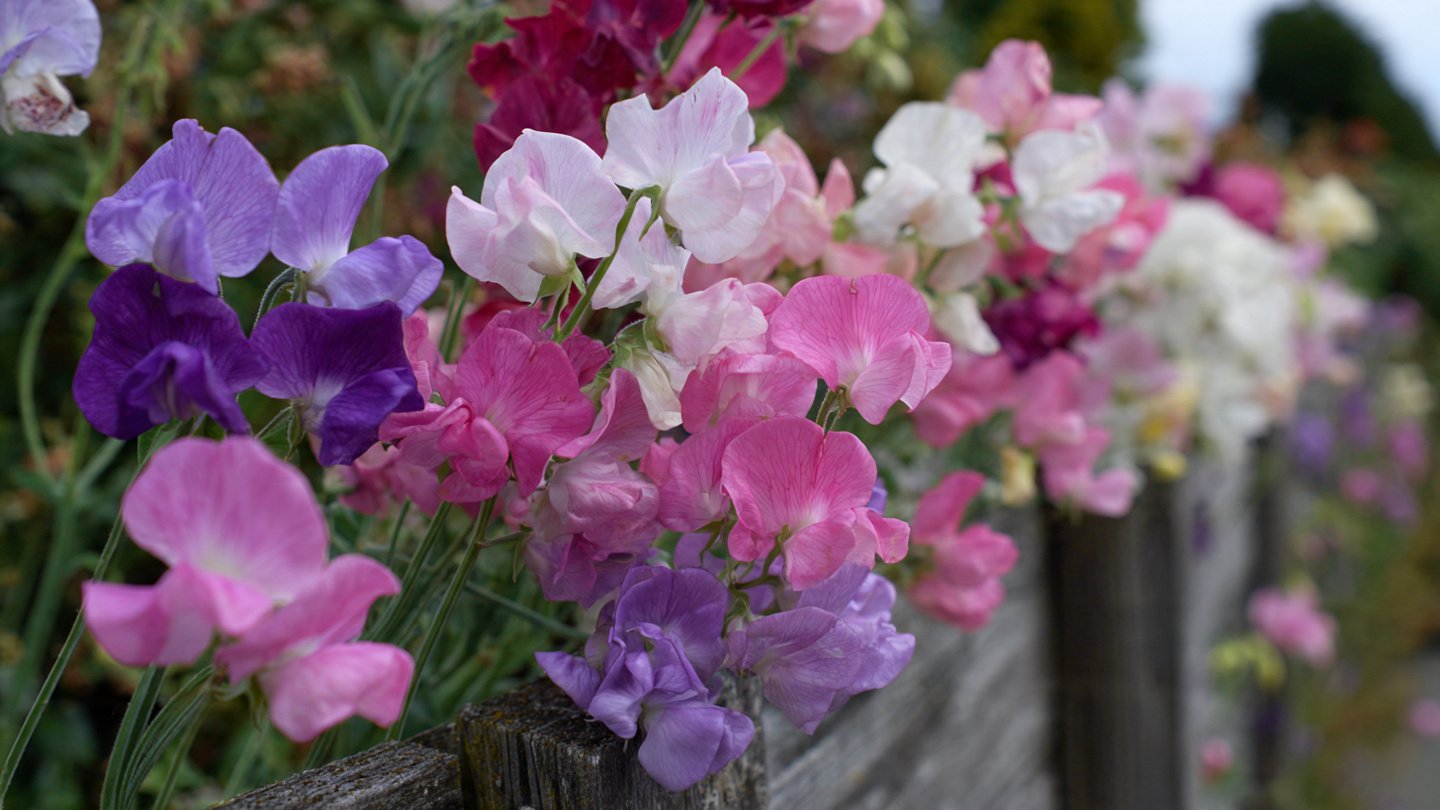
Sweet peas are not only beloved for their charming flowers and delightful fragrance; they also offer gardeners an opportunity to cultivate a garden that soars. These climbing plants can reach impressive heights, often growing up to twenty feet under the right conditions. Cultivating sweet peas that climb high involves understanding their growth patterns, optimal climates, care routines, and support structures. Here’s a comprehensive guide to growing robust, tall sweet peas.
The first step in growing sweet peas is choosing the right variety. While many sweet pea varieties exist, some are particularly well-suited for climbing to great heights. Look for varieties labeled as “climbing” or “tall.” Options like ‘King Edward VII,’ ‘Tall Telephone,’ and ‘Winter Elegance’ are known to grow tall with proper care. Moreover, consider selecting seeds that are also bred for vigor, as this will help the plants thrive and reach their maximum height.
Sweet peas thrive in conditions that resemble their native Mediterranean climate. They prefer well-draining soil that is rich in organic matter. Start by preparing your planting area in early spring or fall, depending on your climate. If you live in a region with harsh winters, fall planting may not be feasible. Adding compost or well-rotted manure to the soil will provide the necessary nutrients to support vigorous growth. Aim for a soil pH between 6.0 and 7.0, as this range is optimal for germination and growth.
Once you have chosen the right seeds and prepared your soil, it’s important to understand the germination process. Soaking the seeds in water for 24 hours before planting can enhance germination rates. This helps soften the outer seed coat, allowing moisture to penetrate and stimulating the embryo inside. Plant seeds about one inch deep and three to four inches apart. After planting, cover the seeds with soil and water gently to avoid displacement.
Location is another critical factor when cultivating sweet peas. They thrive in full sunlight, requiring at least six hours a day. However, in extremely hot climates, they may benefit from partial shade during the hottest parts of the day. Select a site that is sheltered from strong winds; this not only protects the delicate plants but also promotes vertical growth by reducing stress on the stems.
To support the impressive height you want from sweet peas, establishing a sturdy structure is essential. Consider using trellises, fences, or cages to provide support as the plants grow. Choose materials that are both durable and stable. Wooden stakes, wire mesh, or bamboo poles can serve as excellent supports. Ensure that the structure is at least six to eight feet tall to accommodate their climbing nature, but if your goal is aiming for twenty feet, a taller structure will be necessary.
When setting up the support framework, it’s beneficial to do so when planting the seeds or shortly thereafter. This approach minimizes root disturbance and allows the plants to start climbing as they grow. Encourage climbing by gently guiding the tendrils toward the support structure if needed. Sweet peas naturally twine around supports, so they will instinctively climb when given the opportunity.
Watering is crucial to fostering healthy growth. Sweet peas prefer consistently moist soil but do not thrive in waterlogged conditions. After the initial planting, water them regularly, especially during dry spells, ensuring that the soil remains moist but not saturated. Drip irrigation systems can be effective for providing consistent moisture without soaking the leaves, which can help prevent fungal diseases.
Fertilization plays a significant role in encouraging robust growth and tall plants. While sweet peas do not need excessive fertilization, applying a balanced organic fertilizer or compost tea can provide the necessary nutrients for growth. Conduct a soil test to determine existing nutrient levels before applying additional fertilizers. Generally, a low-nitrogen fertilizer is recommended, as too much nitrogen can promote foliage growth at the expense of flowering.
Pruning sweet peas can also help with height. Regularly deadhead spent blooms to encourage more flowers and strengthen the plant. If you notice that the plants are becoming too bushy, pinching back some of the tender shoots can redirect energy toward growth in height rather than width. This method encourages a taller, more upright plant rather than allowing the energy to spread out.
Pest management is another integral aspect of sweet pea cultivation. While sweet peas are relatively pest-resistant, they can attract aphids, slugs, and snails. Regularly inspect your plants for signs of infestations. For aphids, a gentle spray of water can dislodge them, while introducing beneficial insects such as ladybugs can provide natural protection. If slugs or snails are present, consider setting out traps or using barriers like crushed eggshells to deter them.
As sweet peas grow taller, ensure they are adequately supported. Check the climbing structure regularly to ensure the plants are securely attached. Adjust the supports as needed to prevent any bending or breakage of the stems. This will help them reach their full potential and achieve heights you may have only imagined.
Sweet peas typically bloom within 60 to 90 days after planting. They produce an array of flowers that are not only beautiful but also attract pollinators like bees and butterflies. To encourage a prolonged blooming period, continue to deadhead spent flowers regularly. This practice will promote more bud formation, encouraging the plants to grow continuously throughout the blooming season.
Consider the climate impacts on your sweet peas. In regions with extreme heat, you may need to extend your growing season. Using shade cloth during the hottest months can protect your plants and allow them to continue growing. Alternatively, if you’re in a cooler climate, providing row covers while they establish may be beneficial but should only be necessary at the start of the growing season.
As your sweet peas begin to reach impressive heights, it’s essential to address nutrient needs continuously. Flush the soil with water every few weeks to prevent salt buildup from fertilizers, which can harm the plants. Lastly, consider applying a layer of mulch around the base of the plants to help retain moisture, regulate soil temperature, and suppress weeds.
Harvesting sweet peas is a rewarding experience. Pick the flowers regularly to enjoy their beauty and fragrance in your garden or home. If you plan on using them for culinary purposes, harvest the pods when they are just plump and before they begin to dry out. The flowers and young pods can be used in salads, pastas, and even as garnishes.
In conclusion, growing sweet peas that can reach heights of twenty feet involves a blend of good practices and attentive care. By selecting the right variety, providing ample support, ensuring suitable growing conditions, and maintaining regular upkeep, you will create an awe-inspiring display. Embrace the vertical potential of these lovely plants, and enjoy their graceful ascent in your garden. With patience and proper attention, you’ll find satisfaction watching your sweet peas climb to great heights, filling your space with color, fragrance, and delight.