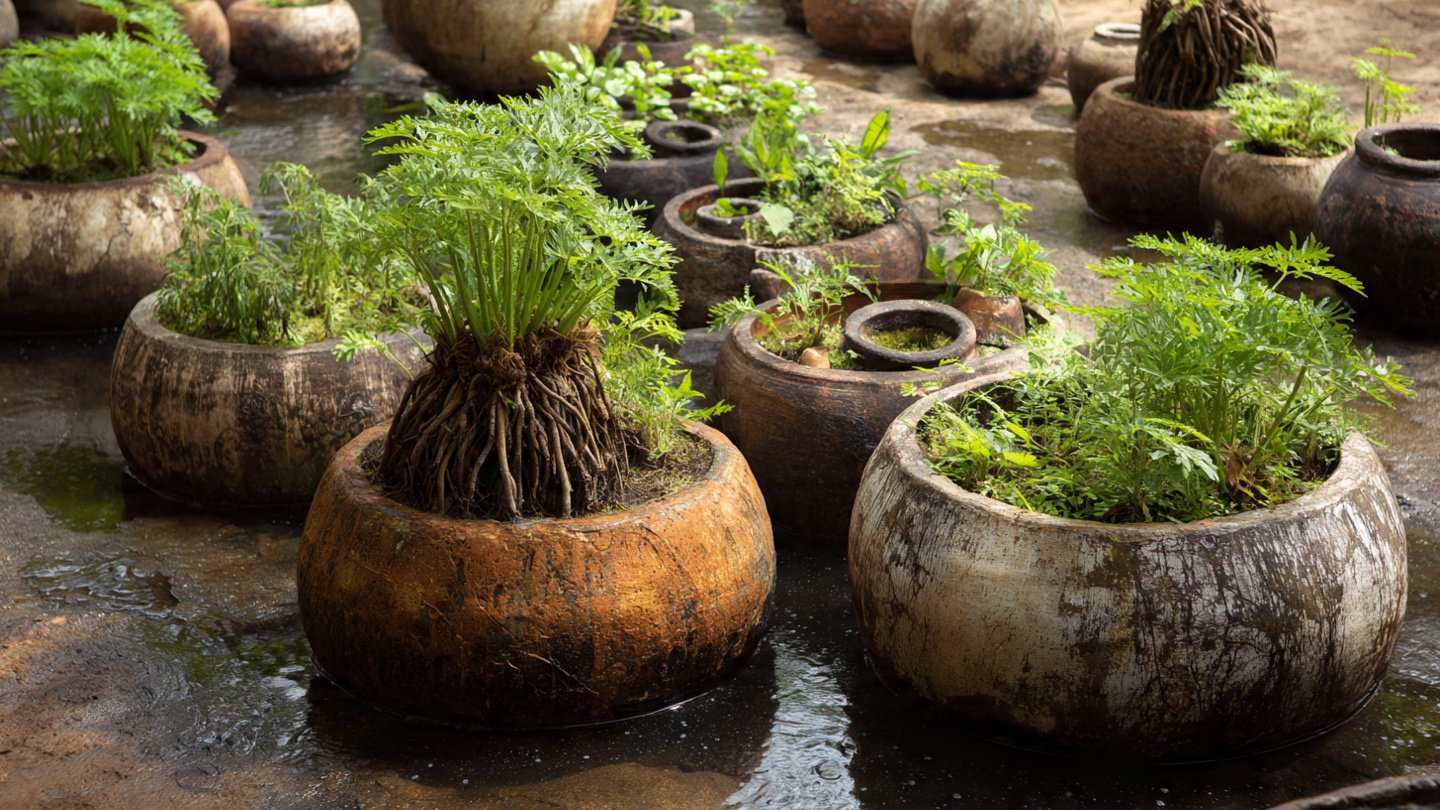
Gardening enthusiasts and farmers are increasingly discovering the benefits of an ancient irrigation technique called ollas. This method, which utilizes clay pots buried in the ground, has captured the attention of sustainable gardeners and agriculture practitioners alike. Why is there such a surge in interest in ollas? In this article, we’ll delve into the concept of ollas, their advantages, how they work, and why they are becoming a go-to solution for deep root watering.
What Are Ollas?
Ollas (pronounced “oy-yas”) are unglazed clay pots traditionally used in various cultures, especially in arid regions like Mexico and the Southwestern United States. The concept is simple yet effective: these pots are buried upside-down in the ground with just the rim exposed, allowing for consistent moisture delivery directly to plant roots. They can range in size, from small containers ideal for individual plants to larger ones suitable for rows of crops.
The History of Ollas
The practice of using ollas dates back thousands of years. Archaeological evidence suggests that they have been used in agricultural communities for over 3,000 years. Ancient civilizations, such as the indigenous peoples of the Americas, recognized the benefits of using porous clay pots to manage water efficiently in challenging climates. The clever design of ollas allows water to seep out slowly through the sides, ensuring that the root zones of plants receive adequate moisture without over-saturating the soil.
Benefits of Using Ollas
1. Water Conservation
One of the primary reasons gardeners are embracing ollas is their ability to conserve water. In a world facing increasing water scarcity due to climate change and population growth, finding efficient irrigation methods is more crucial than ever. Ollas dramatically reduce water waste by delivering moisture directly to the roots of plants rather than allowing it to evaporate from the surface. In many cases, users report using up to 50% less water than traditional irrigation methods.
2. Reduced Weeding
Because ollas maintain moisture at a deeper level in the soil, they help suppress surface evaporation. This means that the soil remains drier at the surface, which discourages weed growth. Fewer weeds not only mean less competition for nutrients and water but also less time spent maintaining the garden.
3. Healthier Plants
Root systems thrive when they receive moisture consistently and at the right depth. Ollas allow for deep root watering, which encourages plants to develop stronger, more extensive root systems. This leads to healthier plants that are more resilient to drought conditions and less susceptible to pests and diseases.
4. Flexibility and Compatibility
Ollas can be used with a variety of plants, from vegetables and fruits to flowers and trees. They are versatile and can be adapted to any garden layout, whether you are planting in raised beds, a traditional garden, or even pots on a patio. This flexibility makes ollas an attractive option for both small-scale gardens and larger agricultural operations.
5. Easy to Use
Setting up ollas is remarkably straightforward. Simply dig a hole for the olla, bury it to the neck, fill it with water, and cover it. There’s no need for complex irrigation systems or extensive equipment. Maintaining ollas is also hassle-free—just refill them as needed!
How Do Ollas Work?
Understanding the mechanics behind ollas can enhance their effectiveness. The porous nature of clay allows water to slowly seep through the pot’s walls. When the surrounding soil becomes dry, it creates a slight vacuum that draws water through the clay, delivering it directly to plant roots.
Here’s a step-by-step guide on how to use ollas effectively:
1. Choose the Right Size
Selecting the appropriate size of olla is crucial. Smaller ollas are ideal for individual plants, while larger ones can service multiple plants in proximity. Consider plant type and the space available in your garden when choosing an olla.
2. Placement
Ollas should be placed in areas where moisture is most needed. For instance, positioning them near the root zone of fruit trees or in vegetable beds where water demand is high will maximize their effectiveness.
3. Bury the Olla
Dig a hole deep enough to bury the olla up to its neck. The rim should be above the soil to allow for easy filling. Burying it helps maintain a stable temperature for the water, preventing excessive evaporation and ensuring that roots can access moisture effectively.
4. Fill Regularly
It’s essential to monitor and refill the olla as necessary. The frequency of refilling will depend on various factors, including the plant type, soil conditions, and environmental factors like temperature and humidity.
5. Seasonal Maintenance
Ollas may need to be cleaned and checked for cracks or damage after a season of use. Proper maintenance ensures longevity and sustained performance, allowing gardeners to enjoy their benefits for years to come.
Environmental Considerations
Embracing ollas also represents a shift towards sustainable gardening practices. With increasing concern over environmental issues, such as climate change and water scarcity, more growers are looking for ways to reduce their ecological footprint.
1. Reduced Carbon Footprint
Since ollas require less water, they contribute to lower energy and resource consumption compared to conventional irrigation systems that may rely on powered pumps or irrigation infrastructure.
2. Organic Gardening
For those who practice organic gardening, ollas support the ethos of working with nature rather than against it. They produce no plastic waste, are made from natural materials, and can be easily composted or reused indefinitely.
3. Local and Community Gardening
The resurgence of interest in community gardens and local food systems has prompted a renewed interest in ollas as a practical solution. Community gardens often face watering challenges, especially in drought-prone areas. Ollas present a feasible solution, enabling collective gardening efforts to thrive sustainably.
Challenges and Considerations
Despite their many benefits, using ollas is not without its challenges. Understanding these can help gardeners make informed decisions.
1. Initial Cost
While ollas can be cost-effective over time, the initial investment may deter some gardeners. However, many consider this as a worthwhile investment due to the long-term savings on water and improved plant health.
2. Soil Type Variability
The effectiveness of ollas can vary based on the soil type. Sandy soils may drain too quickly, while heavy clay soils might retain moisture too well. Understanding your soil and adjusting your watering methods may be necessary to optimize ollas’ functionality.
3. Seasonal Considerations
In regions with freezing temperatures, the potential for clay pots to crack presents a concern. Gardeners must consider how to protect their ollas during the winter months, either by removing them from the ground or insulating them.
4. Availability of Materials
While ollas are gaining popularity, it may be challenging to find them in all areas. Some gardeners opt to make their own, which can be a rewarding process that connects them more deeply to the gardening experience.
Conclusion
The ancient technique of using ollas for deep root watering is gaining momentum among modern gardeners and agricultural producers. With their ability to conserve water, promote healthier plants, and reduce reliance on harmful chemicals, ollas embody sustainable agricultural practices.
As we face a future marked by water scarcity and climate unpredictability, innovative methods like ollas will play a critical role in ensuring food security and sustainable gardening practices. By re-embracing this age-old wisdom, gardeners can cultivate a thriving ecosystem that respects the planet while achieving their agricultural goals.
Ollas represent more than just a tool for irrigation; they symbolize a shift toward environmentally conscious gardening. In a world where every drop counts, it’s no wonder everyone is embracing ollas for deep root watering. The simplicity, effectiveness, and sustainability they bring to gardening make them not just a trend, but a vital practice for the future of gardening and agriculture.