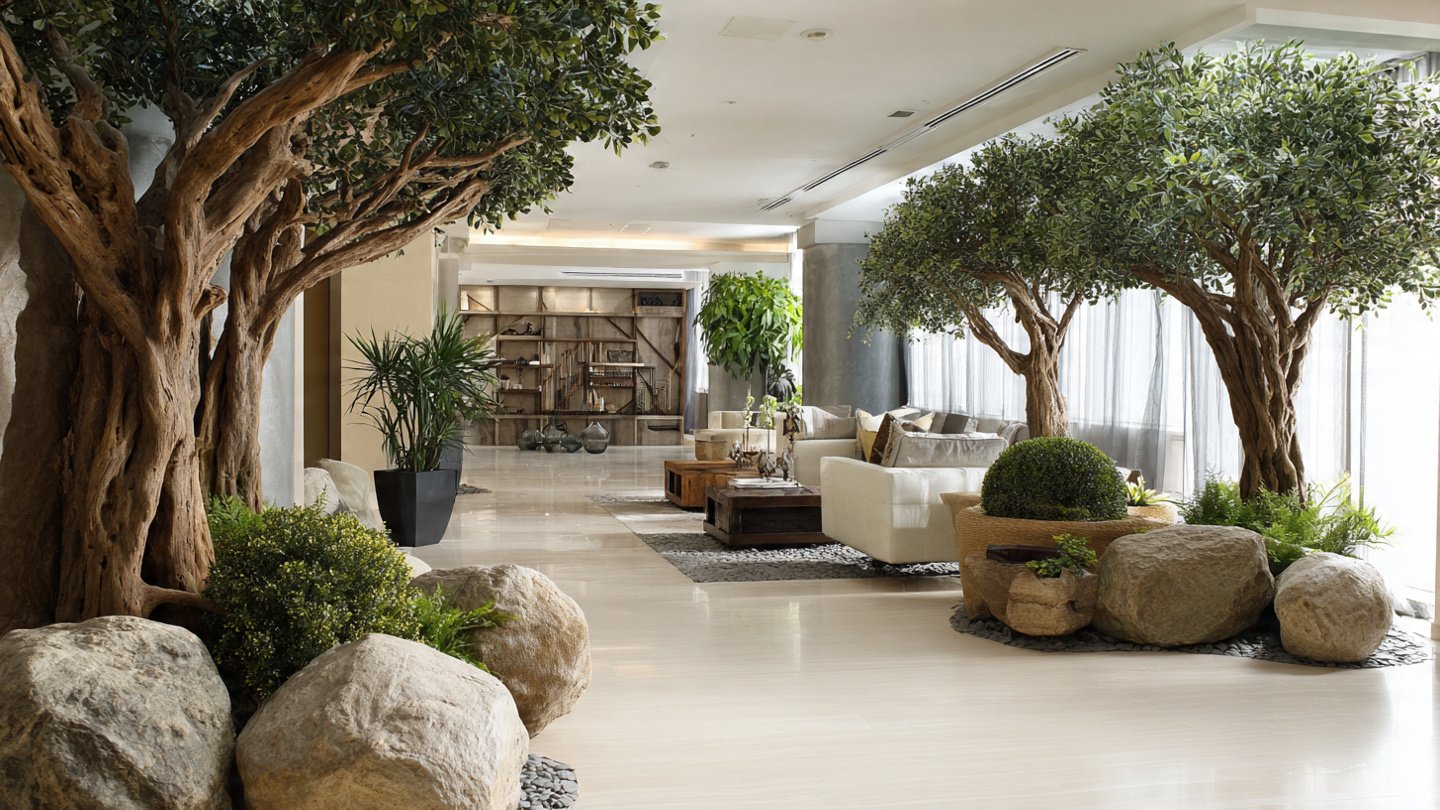
Indoor plants have become a popular trend in interior design, not just for their aesthetic appeal, but also for their ability to influence the functionality of spaces. Among these, indoor trees stand out due to their size and presence, offering a remarkable way to define different living zones within a home. This article will explore the various ways in which indoor trees contribute to space definition, enhance functionality, and improve overall ambiance in different areas of your home.
Understanding Living Zones
Living zones refer to specific areas in a home that serve particular purposes. These can include the living room, dining area, workspace, reading nook, and even outdoor spaces. Recognizing how to separate and define these zones can create a more organized and visually appealing environment.
The Role of Indoor Trees
Indoor trees can play a pivotal role in this zonation process. By strategically placing trees in various parts of your living space, you can create visually distinct areas that serve different functionalities. Below are some ways indoor trees can help define these living zones:
1. Visual Dividers
Indoor trees can act as natural dividers between different zones in an open-space living arrangement. For example, a tall ficus tree could separate a dining area from a living area without blocking light or visibility. The height and lush foliage provide a clear visual cue that signals a transition between different functional spaces.
2. Noise Reduction
Plants, including trees, can absorb sound, which can be particularly beneficial in open-plan homes. The presence of indoor trees can help moderate sound levels, offering a more peaceful environment. Thus, by placing trees strategically, you can create quieter zones ideal for relaxation or concentration.
3. Architectural Elements
Indoor trees add a unique architectural element to a room, framing spaces in a way that furniture might not. A large tree can draw attention to a specific area, such as a reading nook by a window, or enhance an entryway. The visual weight of a tree also complements other design elements, bridging various zones together.
4. Mood Enhancement
The act of incorporating greenery, particularly trees, enhances the mood of a space. They can instill feelings of calmness and relaxation, crucial for areas designated for unwinding, like a bedroom or quiet corner. Conversely, adding trees to more energetic areas, like a home office, can boost productivity and creativity.
Selecting the Right Indoor Trees
Choosing the right type of indoor tree is vital to effectively define living zones. Here are some popular options:
1. Fiddle Leaf Fig
The fiddle leaf fig is celebrated for its dramatic leaves and tall stature, making it ideal for creating visual interest and separation in a room. Its broad leaves can fill space effectively and create an inviting atmosphere.
2. Rubber Plant
Rubber plants are robust and can adapt to various light conditions. Their waxy leaves and upright growth make them great as standalone features or grouped with other plants.
3. Dracaena
Dracaena species come in a variety of heights and shapes, offering versatility. They are easy to care for and can thrive in different environments, making them perfect for various living zones.
4. Schefflera
The Schefflera, or umbrella tree, is another excellent choice due to its bushy growth and attractive leaf structure. It adds a lush feel to any zone, enhancing the indoor atmosphere.
Placement Strategies
Once you’ve selected your indoor trees, the next step is placement. Here are some effective strategies:
1. Corner Placement
Positioning a tree in a corner can draw attention to the area while optimizing space. This can enhance the sense of coziness in a living zone.
2. Centerpiece in Open Spaces
In larger open-plan layouts, placing a tree in the middle can serve as a focal point, further establishing boundaries between different zones.
3. Along Pathways
Wherever there is a natural walkway, placing trees along the path can guide movement through the space while reinforcing the zones.
4. Near Natural Light Sources
Indoor trees thrive on natural light, so placing them near windows or in well-lit spaces not only promotes their health but also accentuates the zones they occupy.
Maintenance Considerations
While indoor trees can significantly enhance your living space, it’s essential to remember their maintenance requirements. Regular watering, sufficient light, and periodic pruning are crucial to keep them healthy. Additionally, consider the potential size of the tree and how it may change the dynamics of the space as it grows.
Conclusion
Indoor trees serve as versatile tools in interior design, helping to define living zones while providing aesthetic and functional benefits. By adding trees to your home, you can create distinct environments tailored for relaxation, work, or socializing. With careful selection and strategic placement, these natural elements can transform your space, making it more cohesive and inviting. As the trend of incorporating greenery into living areas continues to grow, understanding the role of indoor trees in defining living zones becomes increasingly important.
FAQs
1. How do indoor trees improve air quality?
Indoor trees can help purify the air by absorbing toxins and releasing oxygen, improving the overall air quality in your home.
2. Can any indoor tree work in small spaces?
While not all trees are suitable for small spaces, there are dwarf varieties and smaller trees, such as bonsais, that can thrive in limited areas.
3. How often should I water my indoor trees?
Watering frequency varies by species, but a general rule is to water when the top inch of soil feels dry. Always check the specific needs of your tree.
4. Do indoor trees need fertilizing?
Yes, indoor trees benefit from regular fertilization during the growing season, typically spring and summer, to ensure they receive essential nutrients.
5. Can indoor trees be harmful to pets?
Some indoor trees can be toxic to pets. It’s essential to research any plant before bringing it home, especially if you have curious pets.