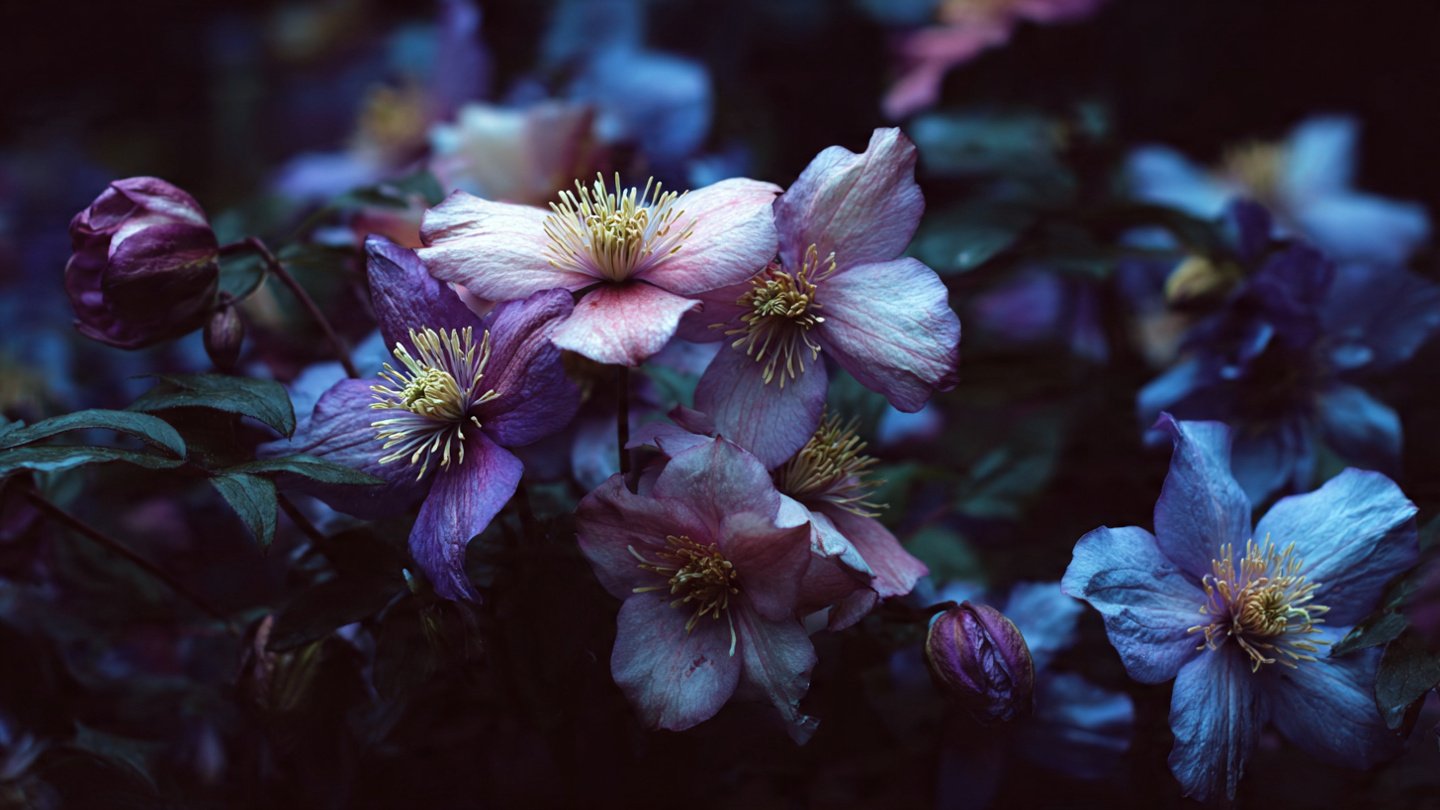
One of the common misconceptions in gardening is that lack of sunlight means the end of vibrant flowers. In reality, various beautiful blooms can thrive in complete deep shade, making them ideal choices for dark corners of gardens or shaded patios. For avid gardeners looking to add some color to these tougher spots, understanding which flowers perform best can make all the difference.
Understanding Deep Shade
Deep shade occurs in areas where sunlight is virtually absent for most of the day. This can be due to surrounding structures, tall trees, or even dense foliage. When assessing deep shade areas in your garden, consider the following:
- Duration: These areas receive less than three hours of direct sunlight daily.
- Temperature: The environment is often cooler and more humid due to limited sunlight exposure.
- Moisture: The soil often retains more moisture due to the lack of evaporation.
Top Flowers for Deep Shade
Here’s a list of some of the best flowering plants that can thrive in complete deep shade:
1. Astilbe
Astilbe is renowned for its feathery, plume-like flower clusters available in shades of pink, white, and red. They not only tolerate deep shade but excel in it, providing a lush visual experience. Astilbes typically bloom from late spring to early summer.
2. Bleeding Heart (Dicentra spectabilis)
The bleeding heart is a perennial favorite with heart-shaped flowers. It prefers cooler climates and do well in shaded areas, making it a perfect choice for the deep shade of woodland gardens. Its unique blooming period in spring can bring early color to a shaded space.
3. Hellebore
Hellebores, also known as Lenten roses, are among the first flowers to bloom in spring. They have an attractive flower structure and come in various colors, including white, green, and maroon. Their evergreen foliage makes them a year-round addition to shaded gardens.
4. Hostas
While commonly noted for their beautiful foliage, hostas also produce lovely flowers on tall stalks during summer. They thrive in deep shade and come in many varieties, offering a range of leaf colors and textures.
5. Japanese Anemone
Japanese Anemones bloom later in the season, typically in late summer to fall. They flourish in shady conditions and can produce white or pink flowers that sway gracefully in the breeze.
6. Foxglove (Digitalis purpurea)
Foxgloves add a touch of elegance to shaded gardens with their tall, tubular flowers. They are biennial plants that can provide vibrant colors ranging from various shades of purple to white. However, be cautious as they are toxic if ingested.
7. Toad Lily (Tricyrtis)
Toad lilies are unique for their orchid-like flowers, typically appearing in late summer. They are particularly well-adapted to the shady understory and can add exotic flair to the garden.
Design Tips for Shaded Areas
When planning your garden in shaded areas, consider the following design ideas:
- Layering: Use taller plants in the back and shorter ones in front to create depth.
- Foliage Variety: Incorporate plants with varying leaf shapes and colors to keep the space visually interesting.
- Pathways: Consider creating mulch or stone pathways to help maintain moisture and connect different shaded garden sections.
Soil and Care Considerations
While many flowers can survive in deep shade, the soil’s quality and care practices are crucial:
- Soil Quality: Ensure well-drained, rich soil. Adding organic matter can improve moisture retention and nutrient availability.
- Watering: Shaded areas may require less frequent watering, but always check the soil moisture to avoid overwatering.
- Fertilization: Use a balanced fertilizer during the growing season to promote healthy growth.
Conclusion
Creating a vibrant garden in complete deep shade may pose challenges, but it is entirely possible with the right selection of flowers. By choosing the appropriate plants like Astilbe, Bleeding Heart, and Helleborus, gardeners can cultivate a flourishing floral display in the most hidden corners of their plots. Remember that each plant has unique care requirements, so understanding these can further enhance the beauty and health of your shaded garden.
FAQs
1. Can any flower grow in complete deep shade?
No, not all flowers can thrive in complete deep shade. It’s essential to select specific varieties known for their shade tolerance.
2. How often should shaded plants be watered?
Shaded plants usually require less frequent watering than those in full sun. It’s crucial to check the soil moisture regularly to determine their watering needs.
3. Do shaded flowers require fertilizer?
Yes, shaded flowers benefit from fertilizer, particularly during the growing season. A balanced fertilizer can promote healthy growth and blooming.
4. Can I plant vegetables in shade?
Most vegetables require full sun, but some, like leafy greens, can tolerate partial shade. However, deep shade is usually unsuitable for vegetable gardening.
5. How can I improve soil quality in shaded areas?
Adding organic matter, such as compost or well-rotted manure, can enhance soil quality, improving nutrient availability and moisture retention.