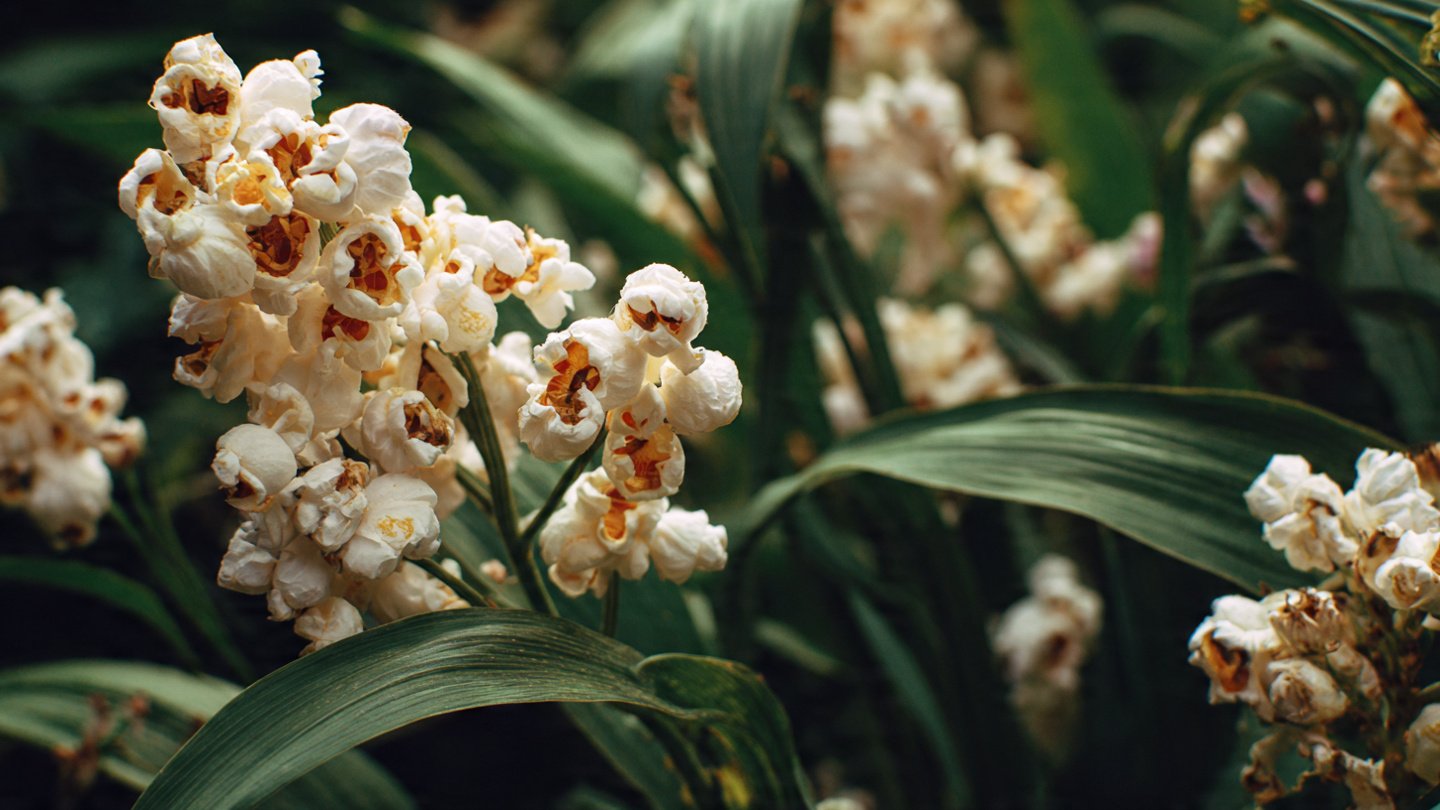
Growing your own popcorn can be an exciting and rewarding endeavor, particularly for those with a fondness for gardening and all things DIY. The question arises: is it possible to cultivate this beloved snack in a tiny garden patch? The answer is yes, and in this article, we’ll explore how to grow popcorn even in limited spaces. Discover the best practices, essential care tips, and enjoy the joy of homegrown popcorn!
Understanding Popcorn Varieties
Before diving into the growing process, it’s essential to understand the varieties of popcorn. Generally, there are two main types:
- Butterfly Popcorn: Light and fluffy, this variety pops in irregular shapes, making it ideal for seasoning and flavoring.
- Mushroom Popcorn: Round and compact, this type is more robust, making it resistant to breaking and suitable for coatings like caramel or cheese.
For small garden patches, choose a short or dwarf variety, which grows to a manageable height and takes up less space.
Choosing the Right Location
Selecting the right location in your tiny garden is crucial. Popcorn requires at least 6-8 hours of full sun every day to thrive. Ensure your chosen spot has well-draining soil, as popcorn roots prefer dry conditions; avoid overly wet soil that can lead to rotting roots.
Preparing the Soil
Start by preparing the soil a few weeks before planting. Here’s how:
- Clear the area: Remove any weeds, rocks, or old plant matter.
- Test soil pH: Popcorn grows best in slightly acidic to neutral pH (around 6.0 to 7.0).
- Add organic matter: Incorporate compost or well-rotted manure to enrich the soil.
Amending the soil with nutrients will ensure a healthy start for your popcorn plants.
Planting Popcorn Seeds
Once the soil is prepared, it’s time to plant your popcorn seeds. Follow these steps:
- Timing: Plant your seeds after the last frost date when soil temperatures reach around 60°F (15°C).
- Spacing: Space the seeds about 6-12 inches apart in rows that are 24-36 inches apart. This spacing allows for good airflow and avoids disease.
- Depth: Plant the seeds about 1-2 inches deep.
If you’re limited in space, consider using raised beds or containers that allow drainage.
Watering and Maintenance
Proper watering and maintenance are critical to a successful popcorn crop. Here are some key tips:
- Water regularly: Keep the soil consistently moist but not soggy, especially during seed germination.
- Fertilize wisely: Use a balanced fertilizer every few weeks as the plants begin to grow. Avoid high-nitrogen fertilizers, which promote leaf growth at the expense of kernel development.
- Weed management: Regularly check for weeds in your garden patch, as they can compete for nutrients and water.
Pest and Disease Control
Like any crop, popcorn is susceptible to pests and diseases. Monitor your plants closely for signs of trouble:
- Common pests: Watch out for aphids and corn earworms. Organic insecticides or manual removal can be effective.
- Diseases: Look for signs of mold or rust. Rotating your crops and maintaining good air circulation can prevent many diseases.
Harvesting Your Popcorn
Once the popcorn plants reach maturity, it’s time for the exciting part—harvesting!
- Timing: Harvest when the husks turn brown and the kernels are hard. This usually occurs about 90-120 days after planting.
- Method: Cut the ears from the stalks, and let them dry in a cool, airy place for a few weeks. This ensures proper drying of the kernels.
Storing Your Popcorn
Once your popcorn is harvested, proper storage is essential to maintain freshness:
- Store the dried ears in a cool, dry place.
- Once shelled, keep kernels in an airtight container away from light and heat.
Enjoying Your Homegrown Popcorn
Now that you’ve successfully grown and harvested your own popcorn, it’s time to enjoy it! You can pop it on the stovetop, in an air popper, or using a microwave. Experiment with various seasonings like butter, salt, or even cheese powders for a flavorful treat.
Conclusion
Growing your own popcorn in a tiny garden patch is not only possible but can also be a fun and rewarding experience. With the right preparation, care, and attention to detail, you can enjoy freshly popped popcorn made from your homegrown crop. Not only does it provide a tasty snack, but it also brings a sense of accomplishment and connection to your gardening efforts. So, what are you waiting for? Grab some popcorn seeds, prepare your garden patch, and start your popcorn-growing adventure today!
FAQs
1. Can I grow popcorn in a container?
Yes! Use a large container with adequate drainage. Ensure it has enough depth for the roots and place it in a sunny location.
2. How much space do I need to grow popcorn?
Popcorn can be grown in a small garden patch, requiring only a few square feet. Planting in rows or blocks can maximize limited space.
3. How long does it take for popcorn to mature?
Popcorn typically takes about 90-120 days to mature, depending on the variety and growing conditions.
4. What is the best fertilizer for popcorn?
A balanced fertilizer with equal parts nitrogen, phosphorus, and potassium works well. Avoid excessive nitrogen to ensure good ear development.
5. Can I grow popcorn in cooler climates?
Yes, though it may take longer for the seeds to germinate. Ensure you plant after the last frost and choose varieties suited for shorter growing seasons.