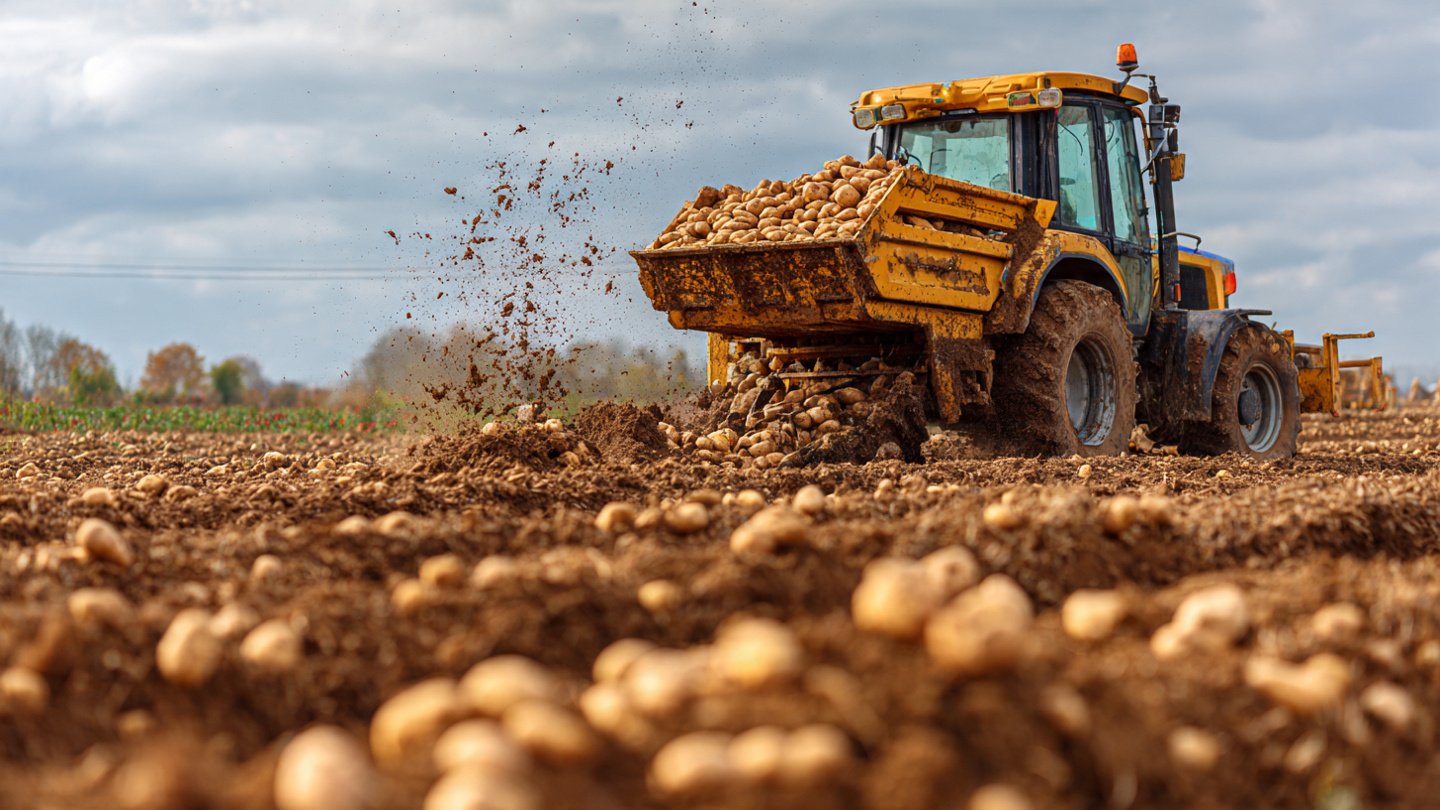
For centuries, gardeners have relied on traditional methods of growing and harvesting potatoes, often involving back-breaking digging routines. However, as sustainability and ease of gardening gain traction, innovative methods to cultivate potatoes have emerged, providing alternatives that are not only effective but also environmentally friendly. One such approach focuses on harvesting potatoes with no digging required. This article explores the principles behind this method, the techniques involved, and the benefits it offers.
Understanding the No-Digging Philosophy
The no-dig technique, also known as lasagna gardening or sheet composting, revolves around the idea of building up your garden beds rather than disturbing the soil with traditional digging. This method promotes healthy soil structure, improves moisture retention, and enhances biodiversity. By allowing organic matter to break down on the surface, you create a rich environment where plants, like potatoes, can thrive.
Benefits of Harvesting Potatoes Without Digging
There are numerous benefits associated with harvesting potatoes without the need for digging:
- Healthier Soil: Minimizing soil disturbance promotes a thriving ecosystem below ground, encouraging beneficial microorganisms and earthworms.
- Reduced Labor: No digging means less physical strain, making it accessible for gardeners of all ages and abilities.
- Better Moisture Management: The natural layering of organic materials improves moisture retention, reducing the frequency of watering.
- Weed Control: A thick layer of mulch or organic matter suppresses weed growth, leading to less competition for your potato plants.
- Increased Yield: Healthier plants typically lead to more bountiful harvests, giving you more potatoes for your efforts.
Techniques for No-Dig Potato Cultivation
1. Choosing the Right Location
To start your no-dig potato gardening journey, select a location that receives plenty of sunlight—ideally, at least 6 to 8 hours per day. Ensure the site has good drainage, as potatoes require moist but well-drained soil.
2. Preparing the Site
Begin preparing the site by clearing any sod, weeds, or debris. Instead of digging, simply cover the area with cardboard or newspaper to block sunlight to any existing vegetation. This smothering approach encourages decomposition and creates a weed-free environment.
3. Building the Layers
The essence of the no-dig method lies in layering organic materials. Here’s how to do it:
- Layer 1: Carbon Layer – Start with a layer of brown materials such as straw, dried leaves, or shredded paper. This layer helps balance nitrogen levels in the soil and adds structure.
- Layer 2: Nitrogen Layer – Follow up with green materials, which are rich in nitrogen. This can include kitchen scraps (fruit and vegetable peels), grass clippings, or manure if you have access to it.
- Layer 3: Soil Layer – Add a 2–4 inch layer of quality topsoil or compost that provides the nutrients your potato plants will need as they grow.
- Layer 4: Mulch Layer – Top it off with a layer of mulch, which retains moisture, prevents weeds, and eventually breaks down to enrich the soil.
4. Adding Seed Potatoes
Once your layers are established and settled, it’s time to plant your seed potatoes. Choose certified seed potatoes, which are less likely to introduce disease into your garden. Cut larger seed potatoes into pieces, ensuring each piece has at least one eye. Plant them 12 inches apart, buried just below the surface of your topsoil layer.
5. Maintaining Your Potato Bed
Regular maintenance is key to successful no-dig potato growing. Water your potatoes consistently, especially during dry spells. Ensure that the mulch layer remains intact and periodically add more organic matter as it decomposes. This will continue to feed your plants and maintain the structural integrity of your garden bed.
6. Harvesting Your Potatoes
The beauty of the no-dig method becomes apparent during harvest time. Instead of using a spade or fork, simply remove the mulch layer and pull back the topsoil to reveal the potatoes growing just beneath the surface. Gently lift the potatoes from the ground, taking care not to damage them. This method allows you to harvest with minimal disturbance to the surrounding soil, preserving the ecosystem you’ve built.
Challenges and Solutions
While the no-dig method has many advantages, it’s essential to be mindful of potential challenges:
- Decomposing Materials: As organic materials break down, the height of your potato bed may decrease. Add more layers as needed.
- Pests: Monitor for pests and diseases, as solutions in no-dig gardens may differ from traditional methods. Companion planting and organic pesticides can serve as effective preventive measures.
Conclusion
The no-dig method of harvesting potatoes is a sustainable and efficient approach that empowers gardeners to cultivate this staple food with minimal effort. By focusing on building healthy soil through layered organic matter, not only do you simplify the harvesting process, but you also foster a thriving ecosystem that benefits plants and wildlife alike. As we continue to unravel the secrets to sustainable gardening practices, no-dig potato cultivation stands out as an innovative way to engage more enthusiasts in the joys of gardening while also promoting environmental stewardship.
FAQs
1. Can I use store-bought potatoes for planting?
It’s best to use certified seed potatoes as they are disease-free and specially prepared for planting. Store-bought potatoes may carry diseases and might not sprout healthy plants.
2. How do I prevent pests from damaging my potato plants?
Encouraging beneficial insects, using companion planting, and applying organic pesticides can help deter pests. Regular monitoring also allows you to catch outbreaks early.
3. How often should I water my potato plants?
Potatoes require consistent moisture, especially during the growing season. Ensure the soil remains evenly moist, watering deeply if the weather is particularly dry.
4. What should I do if my potatoes start to rot in the ground?
This can be a sign of overwatering or poor drainage. If potatoes start to rot, it’s important to improve soil drainage and reduce watering frequency.
5. Can I reuse the compost and mulch from my previous potato crop?
Yes, you can reuse compost and mulch, but it’s essential to ensure they are free from disease. Consider adding fresh materials to enhance the nutrient content of your bed.