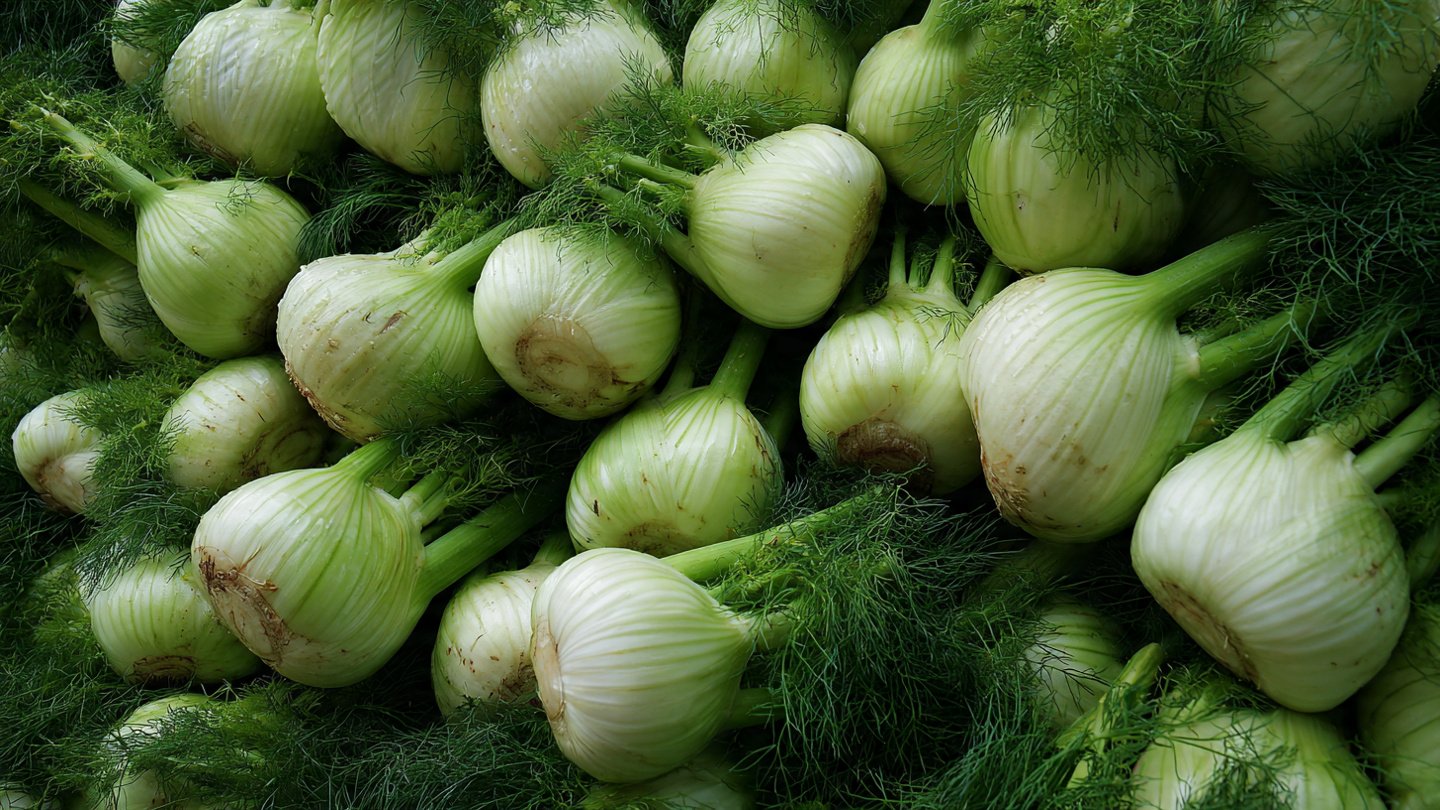
Fennel, with its distinctive anise-like flavor and crunchy, bulbous base, is a popular herb in culinary dishes around the world. Its versatility ranges from salads to stews, making it a wonderful addition to your garden. However, growing massive bulbs of fennel can be a challenge for many gardeners. With the right techniques and a bit of knowledge, you can cultivate large, healthy fennel bulbs that will impress your family and friends.
Understanding Fennel
Fennel (Foeniculum vulgare) is a perennial herb that thrives in Mediterranean climates but can be grown in a variety of environments. It is valued not only for its culinary uses but also for its numerous health benefits, including anti-inflammatory properties and digestive support. The plant has three main parts: the bulb, the stalks, and the feathery fronds. While all parts are edible, the bulb is the most sought after for its crunchy texture and sweet flavor.
Types of Fennel
There are two primary types of fennel:
-
Florence Fennel (Foeniculum vulgare var. dulce): This variety is cultivated for its large, swollen bulb that forms at the base of the plant. It’s the type most commonly grown for culinary use.
-
Herb Fennel (Foeniculum vulgare var. vulgare): Known for its fronds, this type is often used for its seeds and foliage but does not produce a significant bulb.
For the sake of this article, we’ll focus on growing Florence fennel, as that is what gardeners typically desire for those massive bulbs.
Site Selection and Soil Preparation
Choosing the Right Location
Fennel prefers a sunny location with at least 6 to 8 hours of direct sunlight daily. Avoid shady areas, as insufficient light can result in thin, spindly bulbs. Fennel also does well in areas with good air circulation, which helps reduce the likelihood of pest infestations and diseases.
Soil Requirements
Fennel thrives best in well-draining soil rich in organic matter. Here are some tips for soil preparation:
-
pH Level: Aim for a soil pH between 6.0 and 6.8; this will facilitate healthy growth. You can test your soil using a home testing kit.
-
Organic Matter: Amend your soil with plenty of compost to improve drainage and nutrient content. Well-rotted manure can also be beneficial.
-
Aeration: Avoid compacted soils. If your soil is heavy clay, consider adding sand or silt to improve aeration.
Creating a Raised Bed
For optimal results, consider creating a raised bed for your fennel. Raised beds facilitate drainage, warming the soil faster in spring, which is particularly beneficial for early planting.
Planting Fennel
Timing
Fennel is typically planted in spring, after the last frost. Depending on your climate, this could vary, so it’s essential to check your local frost dates. In milder climates, you might also plant in the fall for a winter harvest.
Seed Sowing
-
Sowing Indoors: If you want to get a head start, you can sow fennel seeds indoors about 4 to 6 weeks before your last expected frost.
-
Direct Sowing: If you prefer to plant directly in the garden:
- Sow seeds about 1/4 inch deep and 12 inches apart.
- Space rows 18 to 24 inches apart.
-
Transplanting: If you’ve started seeds indoors, transplant them to your garden once they have two true leaves and the frost danger is past.
Thinning Seedlings
Fennel plants require adequate space to form their bulbs. Once seedlings reach about 6 inches tall, thin them out to a spacing of 12 to 18 inches apart. This will ensure that each plant has enough room to develop a large bulb without competing for nutrients.
Watering and Fertilization
Proper Watering Techniques
Fennel requires consistent watering, especially during dry spells. The goal is to keep the soil evenly moist without allowing it to become waterlogged.
-
Irrigation: Use a drip irrigation system or a soaker hose to deliver water directly to the roots and minimize water on the foliage, which can lead to mildew.
-
Mulching: Adding a layer of organic mulch, such as straw or wood chips, can help retain soil moisture and regulate temperature.
Fertilizing Your Fennel
Fennel benefits from regular feeding during the growing season:
-
Initial Fertilization: Incorporate a balanced fertilizer (such as a 10-10-10 NPK) at planting time.
-
Mid-Season Boost: After about 6 weeks, apply a second round of fertilizer. A liquid organic fertilizer can be beneficial during this time to promote bulb formation.
Pro Tip: Avoid high-nitrogen fertilizers once the bulbs begin to swell, as excessive nitrogen can lead to lush foliage at the expense of bulb development.
Pest and Disease Management
Common Pests
Several pests can affect fennel growth:
-
Aphids: These small insects can cluster on stems and leaves. Use insecticidal soap or neem oil to control their populations.
-
Caterpillars: The larvae of various moths and butterflies may chew through leaves and stalks. Handpicking or using floating row covers can help.
-
Fennel Worms: Fennel is a host for the larval stage of the black swallowtail butterfly. While they can be problematic, they are also a sign of a healthy ecosystem. Control them by handpicking if necessary.
Fungal Diseases
Fennel is prone to certain fungal diseases, particularly in humid conditions:
-
Powdery Mildew: This white fungus can develop on leaves. Ensure proper spacing for good air circulation and avoid overhead watering.
-
Fungal Root Rot: Good soil drainage is essential. If plants exhibit yellowing and wilting, they may be suffering from root rot.
Harvesting Fennel Bulbs
Recognizing the Right Time to Harvest
Fennel bulbs are best harvested when they are between 4 to 6 inches in diameter. This usually occurs about 80 to 100 days after planting, depending on the variety and growing conditions.
Harvesting Techniques
-
Cutting the Bulbs: Use a sharp knife to slice the bulbs at the base of the plant.
-
Removing Leaves: You can also cut off the fronds if they are still vigorously growing, as this can redirect energy to the bulb.
Post-Harvest Care
After harvesting, fennel can be stored in the refrigerator for up to a week. Wrap it in a damp paper towel and place it in a plastic bag to maintain its freshness. Fennel can also be blanched and frozen for longer-term storage.
Culinary Uses of Fennel
Once you’ve successfully grown massive fennel bulbs, you’ll want to explore their culinary potential:
-
Raw: Enjoy fennel raw in salads or as a crunchy snack, perhaps with a dip.
-
Cooked: Fennel can be sautéed, roasted, or added to soups and stews. Cooking mellows its flavor and makes it sweeter.
-
Pickled: Pickling fennel adds a unique crunch to sandwiches and salads.
Conclusion
With a bit of planning and care, growing massive fennel bulbs can be a rewarding gardening endeavor. By selecting the right site, preparing the soil correctly, and following proper care techniques, you can enjoy the taste and health benefits of fennel right from your garden. Whether you’re a seasoned gardener or a novice, these simple secrets can help you achieve success in growing this delicious herb. Explore your culinary creativity with your bountiful harvest, knowing you’ve cultivated a nutritional powerhouse with your own hands. Happy gardening!