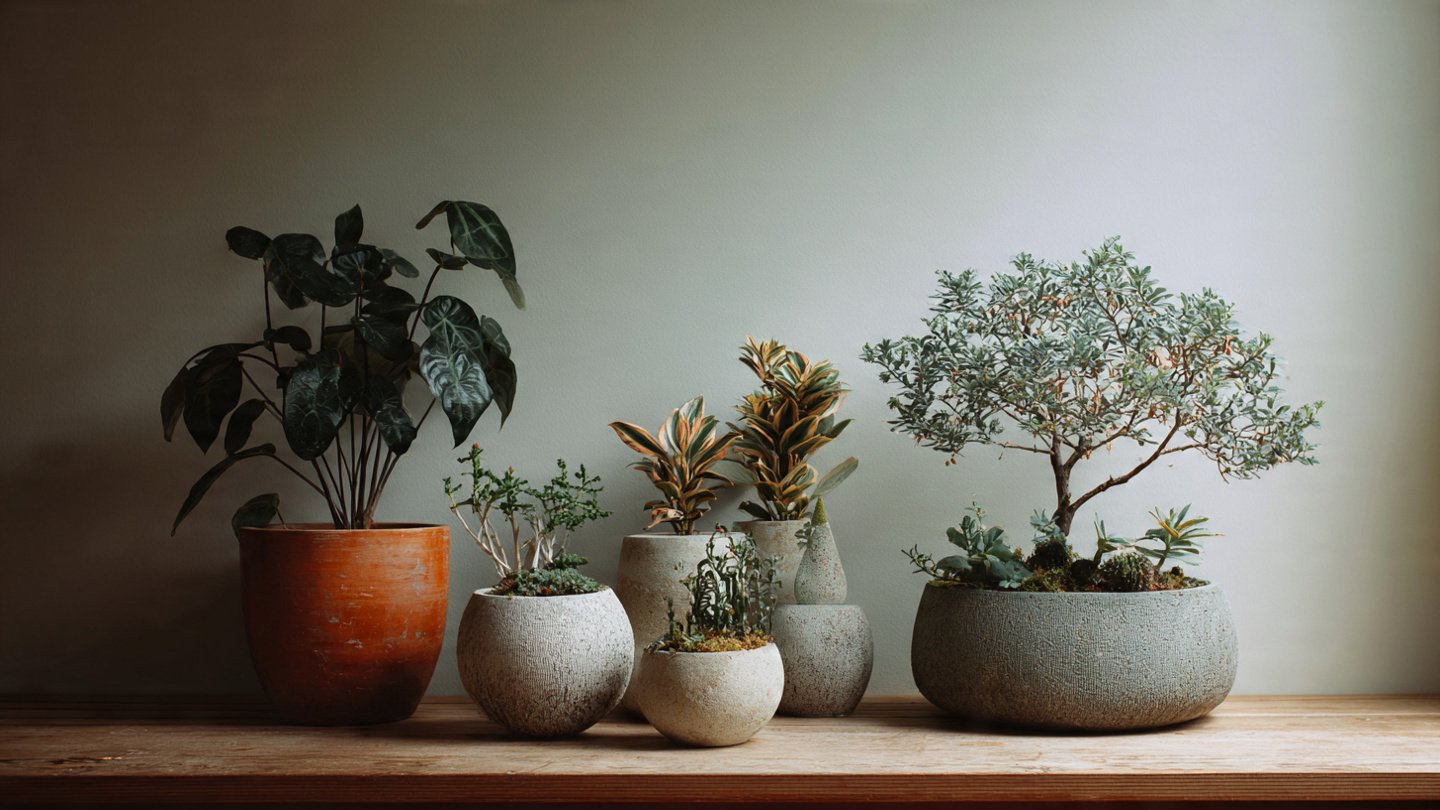
In a world that is often cluttered and overwhelming, the concept of minimalism has gained traction as a way to simplify our lives. Minimalism encourages us to focus on what truly matters, stripping away the excess and creating spaces that evoke calmness and clarity. One way to embody this philosophy in your home is by crafting a minimalist sanctuary using just one plant species. This article will guide you through the ideation, selection, care, and aesthetic arrangement of a single plant species to transform your living space into a serene retreat.
Understanding Minimalism
Before diving into the specifics of choosing a plant species, it’s essential to understand why minimalism resonates with so many individuals today. Rooted in simplicity, minimalism encourages the removal of distractions and fosters an environment where every item serves a purpose or evokes joy. Adopting this mindset helps create spaces that promote relaxation and mindfulness, making it a perfect approach to crafting a sanctuary at home.
Choosing the Right Plant Species
When considering a minimalist sanctuary, the choice of plant species is crucial. A single species can provide uniformity and simplicity, allowing the plant’s unique characteristics to shine. Here are a few excellent plant choices for a minimalist sanctuary:
1. Snake Plant (Sansevieria)
The snake plant, also known as mother-in-law’s tongue, boasts striking vertical leaves and a high tolerance for neglect, making it an excellent choice. It thrives in various lighting conditions and requires minimal watering, making it a hardy companion for busy lives.
2. Pothos (Epipremnum aureum)
Pothos is a popular choice among indoor gardeners due to its trailing vines and heart-shaped leaves. It’s known for its air-purifying qualities, providing health benefits alongside its aesthetic appeal. Pothos thrives in a range of lighting conditions and can adapt to different environments.
3. ZZ Plant (Zamioculcas zamiifolia)
ZZ plants have glossy leaves and can tolerate low light and drought, making them almost indestructible. Their sleek appearance aligns perfectly with a minimalist aesthetic, and their resilience makes them ideal for any indoor setting.
4. Fiddle Leaf Fig (Ficus lyrata)
For a bolder statement, consider the fiddle leaf fig. Its large, sculptural leaves create visual drama and can serve as a focal point in a minimalist sanctuary. Though it requires a bit more care than the previously mentioned species, its impact in space is undeniable.
5. Peace Lily (Spathiphyllum)
The peace lily is not only beautiful with its elegant white blooms but also has excellent air-purifying qualities. It thrives in lower light conditions and only needs watering when the soil is dry, making it a low-maintenance choice.
Selecting Your Plant
When selecting your plant, consider your environment and your willingness to care for it. Think about factors such as light availability, humidity levels, and your lifestyle. You want a plant that complements your minimalist sanctuary without adding stress to your routine.
The Aesthetic Arrangement
Once you’ve selected a plant species, it’s time to think about how to present it in your sanctuary. Here are some tips on arranging your plant to enhance minimalism:
1. Choose the Right Container
The container or pot you choose plays a significant role in the aesthetic. Opt for simple, unadorned pots in neutral colors like white, beige, or matte black. Materials such as ceramic, concrete, or terracotta can add texture without overwhelming the visual space.
2. Create a Focal Point
Position your plant in a place where it draws attention without competing with other items in the room. This could be a windowsill, a corner table, or a dedicated nook that allows the plant to be the star of the show.
3. Use Negative Space
Negative space—where nothing occupies a given area—can enhance the minimalist vibe. Ensure the area surrounding your plant isn’t cluttered with too many items or decorations, allowing its beauty and simplicity to stand out.
4. Incorporate Natural Light
Plants thrive with natural light and also benefit from its aesthetic qualities. Position your plant near a window that receives indirect sunlight. The interplay of light and shadow on the leaves can create stunning visuals throughout the day.
5. Limit Companion Decor
Keeping decor minimal is essential to achieving a sanctuary feel. If you choose to complement your plant with other decor items, keep it to a minimum. Consider a single piece of art or a simple sculpture that echoes natural forms or colors.
Care Tips for Your Chosen Species
Minimalism extends beyond appearance; it includes a mindset of care, attention, and respect for your chosen species. Here are some care tips to help maintain your plant’s health while keeping your routine simple:
1. Watering Routine
Create a watering schedule based on your plant species. For snake plants or ZZ plants, less is more. For more thirsty species like peace lilies, ensure that you check the soil moisture regularly. Overwatering is a common mistake—ensure that the pot has drainage.
2. Dusting Leaves
Keep your plant looking vibrant and healthy by regularly dusting its leaves. This simple task not only enhances its beauty but also allows for better photosynthesis, ensuring your plant thrives.
3. Fertilizing Sparingly
Plants require nutrients, but this doesn’t mean you need to fertilize constantly. A well-balanced, diluted fertilizer once every few months can be sufficient, depending on the species.
4. Monitor Pests
Though minimalism embraces simplicity, paying attention to your plant’s health is crucial. Keep an eye out for pests and treat any infestations promptly with natural pest control methods.
5. Repotting
As your plant grows, it may eventually need to be repotted. Choose a pot that is just slightly larger than the current one to minimize stress on the roots. Repotting is usually needed every couple of years, allowing for fresh soil that promotes healthy growth.
Creating the Sanctuary Atmosphere
With a single plant species thoughtfully chosen and arranged, it’s time to focus on the sanctuary’s atmosphere. Your minimalist sanctuary should promote peace and relaxation. Here are suggestions to enhance the space:
1. Simplified Color Palette
Utilize soft, neutral tones for walls and furniture. Colors like whites, greys, and earth tones can create a calming backdrop that allows your plant to stand out. A consistent palette promotes visual coherence.
2. Natural Materials
Incorporate materials like wood, stone, and organic textiles to foster a connection with nature. A wooden bench, stone coasters, or cotton throw pillows can bring warmth without complicating the aesthetic.
3. Mindful Decorations
If you choose to add decorative elements, select those that evoke tranquility. Consider a few carefully chosen books, minimalist art, or a cozy blanket, ensuring they align with your sanctuary’s purpose.
4. Optimize Lighting
Consider adding soft lighting options, such as floor lamps with warm bulbs or string lights, to create an inviting atmosphere. Dimmer switches can allow you to adjust the lighting in the evening for relaxation.
5. Incorporate Sound
Sounds can significantly impact your ambiance. Consider soft background music or nature sounds, or simply enjoy the quietude your space offers. Keeping the environment serene will enhance your sanctuary experience.
Embracing the Minimalist Lifestyle
Crafting a minimalist sanctuary with just one plant species is not just about creating a space; it’s about embracing a lifestyle. This journey fosters mindfulness, encourages intentional choices, and promotes a deeper appreciation for simplicity. Here are some ways to further embrace minimalism beyond the plant sanctuary:
1. Declutter Your Environment
Take time to evaluate other areas in your home. Remove items that no longer serve a purpose or evoke joy. A clutter-free environment fosters a clearer mind.
2. Practice Mindful Consumption
Adopt a more conscious approach to consumption, focusing on quality over quantity. Invest in items that enhance your life and contribute to your sanctuary.
3. Schedule Regular Digital Detoxes
In our fast-paced digital world, taking breaks from technology can promote mental well-being. Consider times when you unplug from screens and immerse yourself in your sanctuary.
4. Cultivate a Mindfulness Practice
Consider integrating mindfulness practices such as meditation or yoga into your sanctuary. These practices can help deepen your connection to the space and enhance your sense of peace.
5. Share the Concept
Invite friends and family to experience the calming effect of your minimalist sanctuary. Sharing this philosophy can inspire others to create their own serene spaces.
Conclusion
Creating a minimalist sanctuary with just one plant species is a fulfilling endeavor that promotes simplicity, tranquility, and intention in our busy lives. By selecting the right plant, crafting a thoughtful arrangement, and nurturing the atmosphere, you can transform your home into a peaceful retreat that rejuvenates your spirit. Embrace the beauty of minimalism and allow your sanctuary to become a reflection of your inner peace and mindfulness.