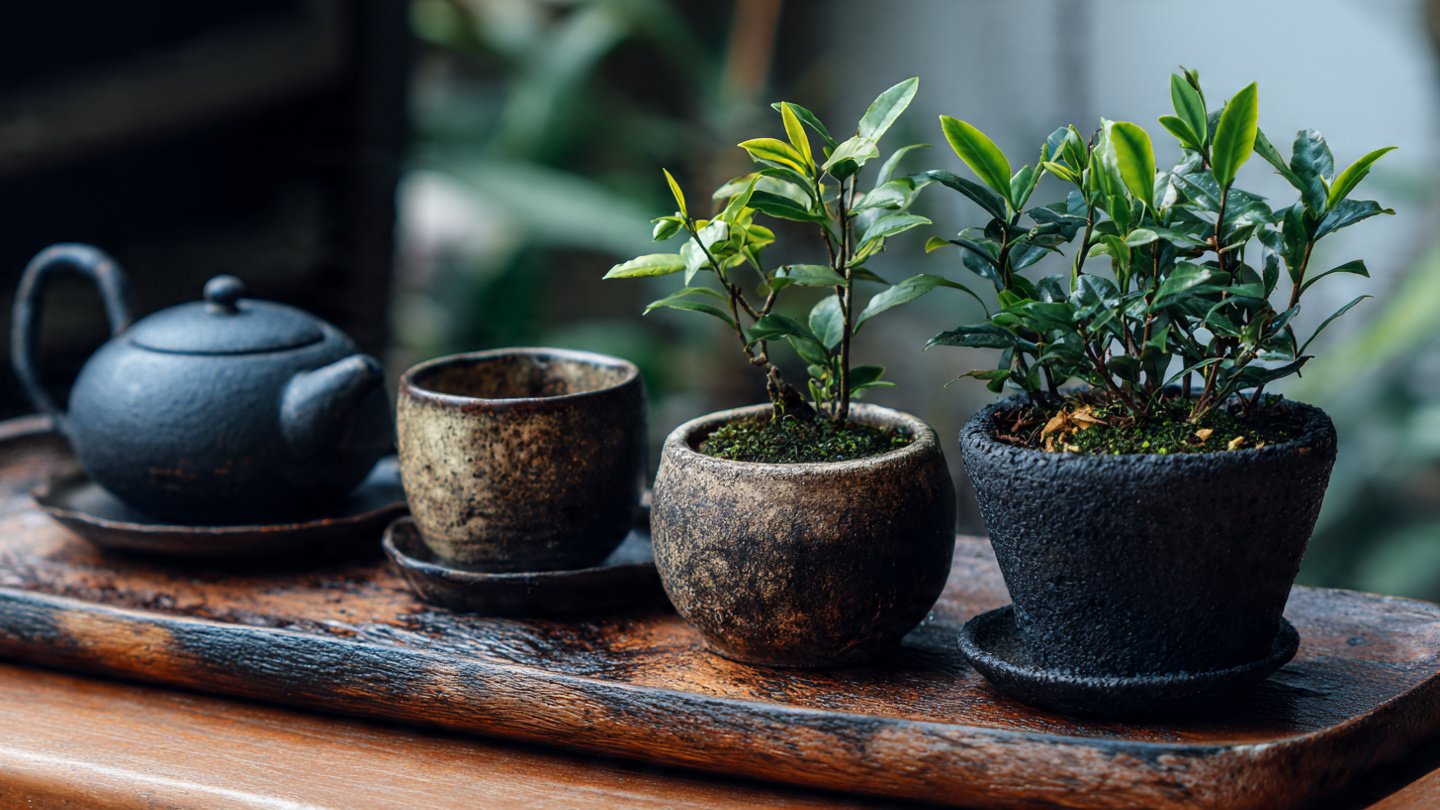
Cultivating your own tea can be a rewarding and enjoyable experience. Not only does it provide you with the freshest brew possible, but it also offers a deeper connection to the art of tea. You don’t need a sprawling garden; with just three carefully chosen potted plants, you can grow a delightful assortment of tea leaves right on your balcony or porch. In this article, we will explore the types of tea plants suitable for pot cultivation, growing requirements, maintenance techniques, and harvesting tips.
Choosing the Right Tea Plants
To successfully grow tea in pots, you need to start with the right plants. The most common varieties for tea cultivation are Camellia sinensis, which can produce black, green, white, and oolong teas; along with herbs like mint and lemon balm. Here’s a breakdown of three types of plants you can grow in pots:
1. Camellia sinensis (True Tea Plant)
This plant is the traditional source of all tea types. Depending on how the leaves are processed, you can produce:
- Green Tea: Fresh leaves are quickly steamed or pan-fired to prevent oxidation.
- Black Tea: Leaves are fully oxidized before drying.
- Oolong Tea: Leaves are partially oxidized for a balance of green and black tea flavors.
- White Tea: Young leaves are simply harvested and dried.
Growing Conditions:
- Sunlight: Prefer partial shade to full sun; too much direct sun can scorch the leaves.
- Soil: Well-draining, acidic soil (pH 5.5-6.5) is ideal.
- Water: Keep the soil consistently moist but not soggy; tea plants appreciate humidity.
2. Mint (Mentha spp.)
Mint is fantastic for making herbal teas and can be cultivated easily in pots. Its refreshing flavor makes it perfect for making iced teas as well.
Growing Conditions:
- Sunlight: Thrives in full sun but can tolerate partial shade.
- Soil: Prefers loamy soil with good drainage.
- Water: Keep the soil moist but avoid waterlogging.
3. Lemon Balm (Melissa officinalis)
Another aromatic herb, lemon balm, is known for its lemony scent and calming properties. It’s an excellent addition to teas, especially those aimed at relaxation.
Growing Conditions:
- Sunlight: Enjoys full to partial sunlight.
- Soil: Tolerant of a variety of soil types, but well-draining soil is best.
- Water: Water regularly, allowing the soil to dry slightly between waterings.
Preparing Your Pots
Selecting the Right Pots
When potting your tea plants, ensure you choose pots that are large enough to accommodate the root systems and have good drainage holes. A 12-inch pot is a standard size for each plant. Consider using terracotta pots, which are porous and allow moist air to circulate, helping your plants avoid root rot.
Soil Preparation
A good potting mix for tea plants should have organic matter, ensuring good drainage and air retention. You can create a mix by combining:
- 1 part peat moss
- 1 part compost
- 1 part perlite or sand
This mixture will provide your plants with nutrients while maintaining the proper pH level.
Planting Your Herbs
- Start Indoors (if it’s too cold outside): Begin with seeds or small plant cuttings, maintaining temperature conditions between 60°F and 70°F.
- Transplant: Once seedlings flourish, carefully move them to their larger pots when they have at least two sets of leaves.
- Mulch: After planting, mulch around the base with organic matter to maintain moisture.
Care and Maintenance
To cultivate tea with minimal effort, you’ll need to give special attention to several aspects of care.
Watering
Tea plants thrive in evenly moist soil, so water them thoroughly when the top inch feels dry. Use room-temperature water to avoid shocking the roots. During hot weather, be vigilant, as potted plants can dry out quickly.
Fertilizing
Feed your tea plants every four to six weeks during the growing season (spring and summer). Use a balanced fertilizer or a specialized fertilizer designed for acid-loving plants. Dilute the fertilizer to half the recommended strength to avoid nutrient burn.
Pruning and Harvesting
Pruning: Regularly prune your plants to encourage bushier growth; cut back about one-third of the plant each spring. For the Camellia sinensis, cutting back will also promote new leaf growth, essential for tea production.
Harvesting: Begin harvesting once your plants are established. For Camellia sinensis, take young, tender leaves from the top of the plant, which will promote further growth. For mint and lemon balm, snip off the leaves to encourage branching. Always harvest in the morning when the leaves are most aromatic.
Processing Your Tea Leaves
After harvesting your tea leaves, processing them depends on the type of tea you want:
Green Tea Processing
- Steaming: Quickly steam the leaves for about 2-3 minutes.
- Rolling: Gently roll the leaves to release essential oils.
- Drying: Spread the leaves out on a tray in a warm area until completely dry.
Black Tea Processing
- Withering: Let the leaves wither for several hours.
- Rolling: Roll the leaves to break down the cell walls.
- Oxidation: Allow the leaves to oxidize for 1-3 hours, depending on the desired strength.
- Drying: Finally, dry the leaves in an oven at low heat or air dry.
Oolong Tea Processing
- Withering: Similar to black tea, allow the leaves to wither.
- Partial Rolling: Roll the leaves gently to bruise them.
- Oxidation: Reduce in time to achieve the semi-oxidized state.
- Drying: As with black tea, dry.
Herbal Tea Processing
Simply dry the leaves and store them in an airtight container. Mint and lemon balm can be used directly in teas without complex preparation.
Brewing Your Homemade Tea
Now that you have your very own cultivated tea, it’s time to enjoy it! Here’s a simple brewing method:
- Water: Use fresh, filtered water, as minerals and chemicals can alter the taste.
- Temperature:
- Green tea: 160°F to 180°F (70°C to 80°C)
- Black tea: 200°F to 212°F (93°C to 100°C)
- Herbal tea: 212°F (100°C)
- Steeping Time:
- Green tea: 1-3 minutes
- Black tea: 4-5 minutes
- Herbal tea: 5-7 minutes
- Enjoy: Add honey, lemon, or other flavorings as desired.
Conclusion
Growing your own tea with just three potted plants is not only possible but also delightful. The art of tea cultivation deepens your appreciation for this ancient beverage while providing fresh, aromatic leaves for your daily brews. By selecting the right plants, following proper care guidelines, and mastering the processing of tea leaves, you will be well on your way to enjoying your own homemade tea. So grab your pots, some soil, and embark on this green journey toward tea cultivation! Happy gardening and brewing!