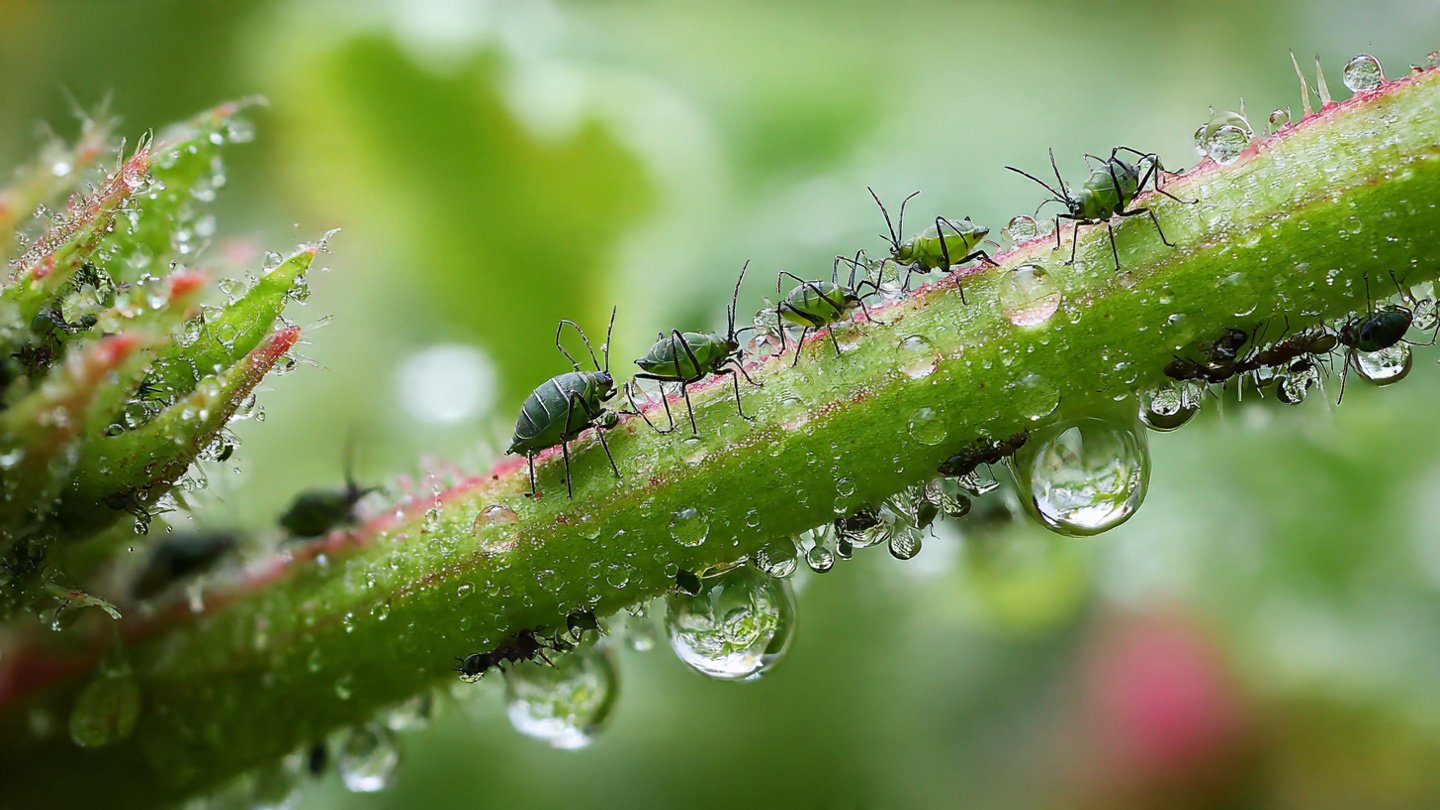
As the warmth of June settles in, gardeners around the world begin to greet one of nature’s most persistent and annoying nuisances: aphids. These tiny, sap-sucking insects can turn a flourishing garden into a veritable buffet, wreaking havoc on plants and leaving behind a trail of sticky honeydew and sooty mold. Understanding why your garden becomes a magnet for aphids during this time of year is crucial for effective management and prevention strategies. In this article, we will explore the lifecycle of aphids, their environmental preferences, the reasons behind their summer surge, and practical tips for keeping them at bay.
The Lifecycle of Aphids
Aphids belong to the family Aphididae, and there are hundreds of species found globally. Their lifecycle is fascinatingly complex and allows them to proliferate quickly under favorable conditions.
Egg Stage
Most aphids begin their lives as eggs laid on host plants in the late fall or early spring. These eggs can withstand harsh weather conditions, hatching when temperatures rise and food becomes abundant.
Nymph Stage
Upon hatching, young aphids (nymphs) emerge and start feeding on the sap of plants. One of the remarkable features of aphids is their ability to reproduce asexually, giving birth to live young instead of laying eggs. Under optimal conditions, a single aphid can give birth to dozens of offspring within just a few days.
Adult Stage
As these nymphs mature into adults, they are capable of reproducing immediately, further compounding the problem. Depending on the species and environmental conditions, an aphid generation can take anywhere from a week to a month to complete. This rapid reproduction cycle is one primary reason why gardens become aphid-infested in June.
What Attracts Aphids?
Aphids are drawn to specific conditions and environmental factors that make a garden an inviting place for them. Understanding these factors can help you take preventive measures.
1. Warm Weather
June typically brings warmer temperatures, which create the perfect environment for aphids to thrive. Most species prefer temperatures between 65°F and 80°F (18°C to 27°C). The warm weather accelerates their lifecycle, enabling rapid population growth.
2. Soft New Growth
Aphids are particularly fond of tender, new growth. Many plants produce new leaves in spring, making them a target for these insects. By June, many gardens are bursting with lush, green foliage, offering aphids an abundant food source.
3. Chemical Signals
When a plant is under stress, it can emit volatile organic compounds (VOCs). These chemical signals can attract aphids from surrounding areas. If your garden is crowded or stressed due to poor soil conditions, lack of water, or overcrowding, it may be sending out signals that attract this unwanted attention.
4. Host Plants
Certain plants are more attractive to aphids than others. Common targets include:
- Roses: Their sweet sap and tender shoots make them enticing.
- Cabbage Family: Broccoli, kale, and other brassicas are prime hosts.
- Peas and Beans: Their succulent new growth is highly appealing.
Understanding which plants draw in aphids can help you make informed choices about what to cultivate in your garden.
The Role of Natural Predators
While aphids can be detrimental to your garden, it’s worth noting that they are also part of a larger ecosystem. Natural predators, such as ladybugs, lacewings, and parasitic wasps, can help keep their populations in check. However, in June, as many plants flourish, their predators may not yet be abundant enough to counteract the quickly growing aphid populations. This imbalance often leads to a rapid surge in aphid numbers.
Environmental Conditions Favoring Aphid Infestations
Several environmental factors can exacerbate aphid problems in June.
1. Drought Conditions
Dry and warm weather can stress plants and make them more susceptible to aphid infestations. Stressed plants are not only more attractive to aphids but also take longer to recover from any damage caused by feeding.
2. Over-fertilization
While fertilization can boost plant growth, too much nitrogen can lead to lush foliage that aphids find irresistible. Additionally, overly fertilized plants may produce weaker tissues that are easier for aphids to penetrate.
3. Insufficient Watering
Under-watered plants can become weak and stressed, making them easy prey for aphids. They prefer the juicy, nutrient-rich parts of the plant, which are often found in well-watered specimens.
How to Manage Aphid Populations
Preventing an aphid invasion is crucial for maintaining a healthy garden. Here are some strategies:
1. Regular Monitoring
Keep an eye on your plants, especially in June. Catching an infestation early can make management much easier. Inspect the undersides of leaves and new growth where aphids are most likely to congregate.
2. Encourage Beneficial Insects
Create a welcoming environment for aphid predators like ladybugs and lacewings. Planting flowers such as marigolds, yarrow, and dill can attract these beneficial insects, which will help control aphid populations naturally.
3. Use Insecticidal Soaps
If you do find an aphid infestation, consider using insecticidal soap. This chemical-free option suffocates aphids on contact and poses little risk to beneficial insects when applied correctly.
4. Water Wisely
Make sure to maintain consistent watering practices. A well-hydrated plant can resist aphid infestations more effectively than a stressed one. However, avoid over-watering, as this can lead to root rot.
5. Plant Selection
Consider your plant selection carefully. If certain plants in your garden are consistently attracting aphids, you may want to reconsider their inclusion. Select aphid-resistant varieties and combine them with some of the beneficial plants mentioned earlier.
6. Physical Barriers
Using row covers or insect netting can help create a barrier that prevents aphids from reaching your plants. This method is particularly effective for young seedlings.
7. Neem Oil
Neem oil is derived from the seeds of the neem tree and is an effective organic pesticide that disrupts aphid feeding and reproduction. Apply it as a foliar spray to target both adult aphids and their eggs.
Case Studies: Gardens and Aphid Infestations
1. Urban Gardens
Urban gardens often experience higher rates of aphid infestation due to the heat islands created by buildings and pavement. These environments can generate temperatures ideal for aphids, compounded by stress on plants from pollution and limited space for root development.
2. Community Gardens
In community gardens, the challenge often lies in the diversity of plant species and potentially inconsistent care. While some gardeners may be diligent in monitoring and treating aphid infestations, others may not, leading to a cascading effect where aphids can spread easily between plots.
3. Organic Farms
Organic farms tend to rely on natural methods for pest control. While this can be effective, it may not always be sufficient in the face of significant infestations. However, successful farms often find ways to enhance biodiversity and attract beneficial insect populations to keep aphid populations under control.
Conclusion
Aphid infestations in June are a common reality for many gardeners. With their rapid reproductive cycle, preference for warm weather, and attraction to new growth, these pests can quickly overwhelm plants. However, with informed management practices and a deep understanding of the factors that contribute to their proliferation, gardeners can minimize the impact of aphids on their gardens. By creating an environment that encourages beneficial insects, carefully monitoring plant health, and employing organic treatment methods when necessary, you can turn your garden from an aphid magnet into a thriving, healthy space.