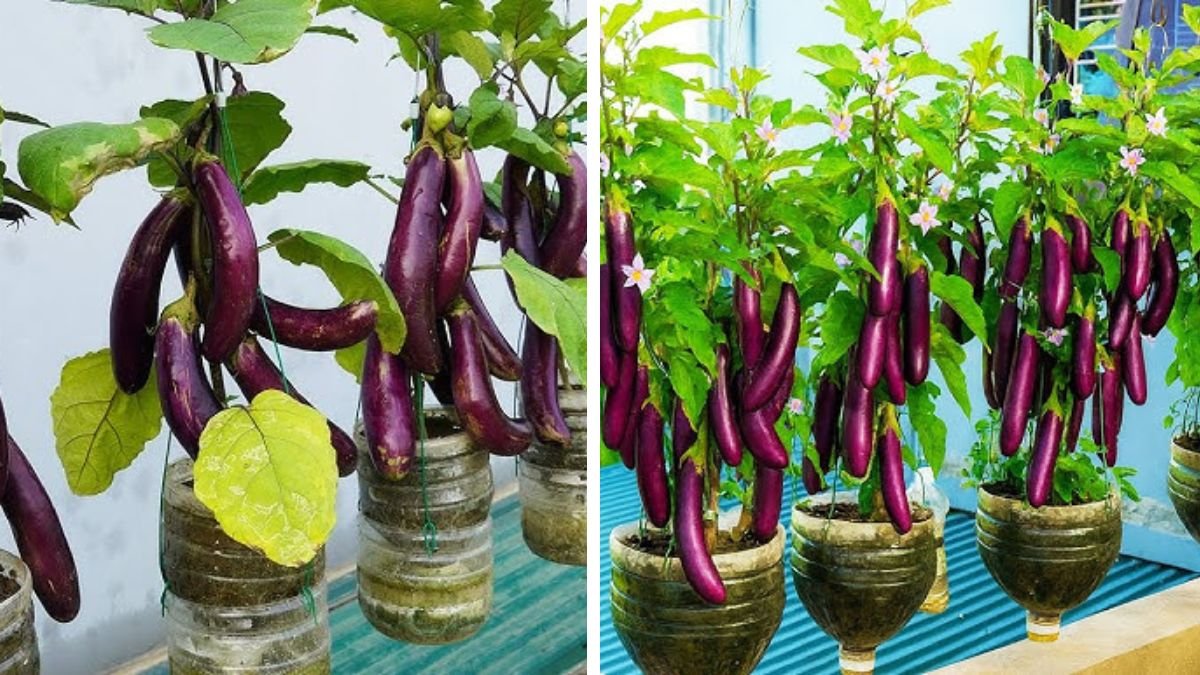
Introduction: Turning Kitchen Waste into Eggplant Success
Eggplant is one of the most productive vegetables when grown correctly. Many home gardeners rely heavily on chemical fertilizers, unaware that kitchen waste can deliver amazing results. Vegetable peels, food scraps, and organic leftovers provide rich nutrients. When used properly, these materials improve soil fertility naturally. Eggplant plants respond especially well to organic feeding. Growth becomes healthier and fruiting increases dramatically. This method is budget-friendly and eco-friendly. This guide explains how kitchen waste can help grow highly productive eggplants at home.
Why Eggplant Responds Well to Organic Waste
Eggplants are heavy feeders that need constant nutrition. Kitchen waste slowly releases nutrients into the soil. This creates a steady food supply for roots. Organic matter improves soil structure. Microbial activity increases nutrient absorption. Plants grow stronger and more resilient. Fruits become larger and shinier. Natural feeding leads to long-term productivity.
Types of Kitchen Waste That Benefit Eggplant
Vegetable peels provide potassium and fiber. Fruit scraps add natural sugars. Tea leaves improve soil texture. Coffee grounds supply nitrogen in moderation. Rice water supports root growth. Eggshells add calcium. Avoid oily or salty waste. Proper selection ensures healthy plants.
Preparing Kitchen Waste for Garden Use
Kitchen waste must be composted or fermented. Chop scraps into small pieces. Allow decomposition before use. Raw waste can attract pests. Composting neutralizes harmful bacteria. Fermented liquid fertilizers work faster. Preparation ensures safety and effectiveness. Proper processing maximizes nutrient value.
Container or Ground Growing Options
Eggplants grow well in containers or soil beds. Containers offer better control. Large pots allow deep root development. Drainage is essential in all setups. Kitchen waste compost works in both methods. Choose based on available space. Containers suit balconies well. Ground beds suit larger gardens.
Soil Preparation Using Kitchen Waste Compost
Mix garden soil with composted kitchen waste. Add cocopeat for aeration. Vermicompost boosts microbial life. Soil becomes loose and fertile. Organic matter retains moisture. Avoid compacted soil. Rich soil supports heavy fruiting. Proper preparation is the foundation of success.
Planting Eggplant Seedlings
Use healthy seedlings for best results. Plant at the same depth as nursery pots. Space plants properly. Firm soil gently around roots. Water immediately after planting. Avoid disturbing roots. Proper planting reduces shock. Healthy starts ensure strong growth.
Watering Strategy for High Yield
Eggplants need consistent moisture. Water deeply but not frequently. Avoid waterlogging soil. Morning watering is ideal. Kitchen waste compost improves water retention. Mulching reduces evaporation. Inconsistent watering affects fruit size. Balanced watering supports continuous flowering.
Sunlight Requirements
Eggplants need six to eight hours of sunlight. Full sun encourages flowering. Insufficient light reduces fruiting. Containers allow repositioning. Morning sunlight is best. Avoid extreme afternoon heat. Proper sun exposure strengthens plants. Light management improves yield.
Liquid Fertilizer from Kitchen Waste
Fermented kitchen waste water works well. Banana peel water boosts flowering. Rice water strengthens roots. Apply every ten days. Avoid overuse. Dilution is important. Liquid feeding accelerates growth. Natural fertilizers improve fruit quality.
Flowering and Fruit Development
Healthy plants produce many flowers. Adequate nutrition prevents flower drop. Kitchen waste compost supports steady blooming. Pollination improves fruit set. Stress-free plants hold fruits better. Regular feeding maintains productivity. Flower health determines yield. Balanced care ensures success.
Pest and Disease Management
Organic gardens attract fewer pests. Inspect leaves regularly. Neem oil controls aphids and mites. Remove infected leaves promptly. Good airflow prevents fungal disease. Kitchen waste compost improves plant immunity. Healthy plants resist attacks. Preventive care protects harvests.
Supporting Eggplant Plants
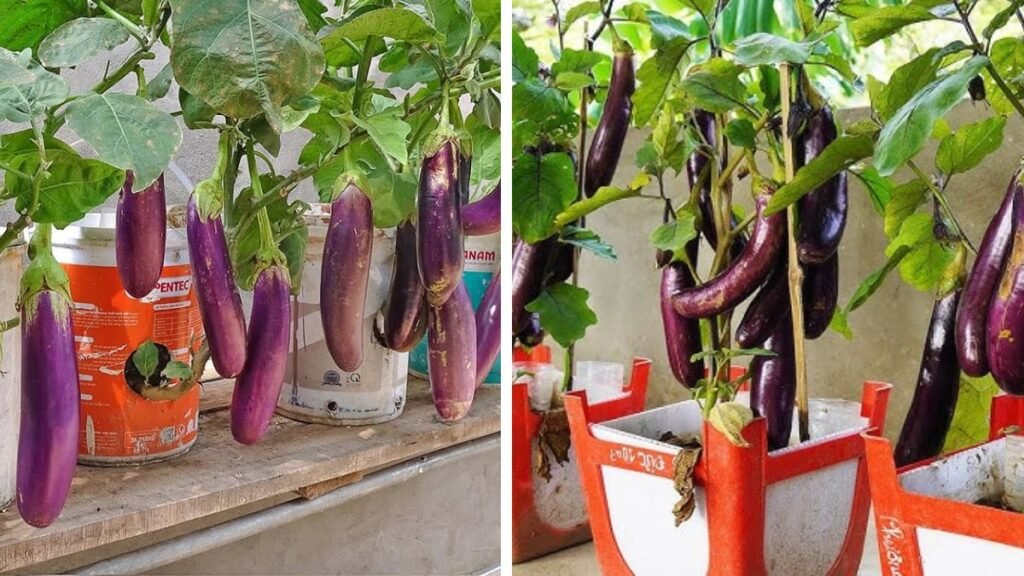
Heavy fruit loads need support. Use bamboo stakes. Tie stems gently. Support prevents breakage. Upright plants receive better light. Proper support improves fruit size. Avoid damaging roots. Stable plants yield more.
Harvesting Eggplants Correctly
Harvest when fruits are glossy. Cut with a sharp knife. Avoid pulling fruits. Harvest regularly to encourage new growth. Overripe fruits slow production. Morning harvest preserves freshness. Proper harvesting extends plant life. Correct timing improves taste.
Regrowth and Continuous Production
Eggplants continue producing for months. Regular feeding maintains vigor. Remove old leaves. Continue kitchen waste compost application. Plants remain productive longer. Continuous harvest increases yield. Proper care extends season. Kitchen waste supports long-term growth.
Growth Overview Table
| Growth Stage | Time Period | Main Support |
|---|---|---|
| Establishment | Two weeks | Moist soil |
| Vegetative growth | One month | Compost feeding |
| Flowering | One month | Sun & nutrients |
| Fruiting | Continuous | Regular harvest |
Common Mistakes to Avoid
Using raw waste directly harms plants. Overwatering causes root rot. Lack of sunlight reduces yield. Skipping compost weakens plants. Ignoring pests damages fruits. Poor support breaks stems. Avoiding mistakes ensures success. Proper care brings abundance.
Why Kitchen Waste Gardening Is Sustainable
Reduces household waste. Saves fertilizer costs. Improves soil health naturally. Encourages eco-friendly habits. Produces chemical-free food. Supports long-term fertility. Sustainable gardening benefits families. Nature works efficiently.
Benefits of Growing Eggplant with Kitchen Waste
High yields at low cost. Healthier vegetables. Improved soil structure. Reduced environmental impact. Continuous harvests. Ideal for home gardeners. Easy for beginners. Rewarding results.
Final Conclusion
Using kitchen waste to grow eggplant is a surprisingly powerful method. With composted scraps and simple care, plants produce abundant fruits. This approach saves money, improves soil, and delivers healthy harvests. Kitchen waste gardening turns everyday leftovers into productive abundance.