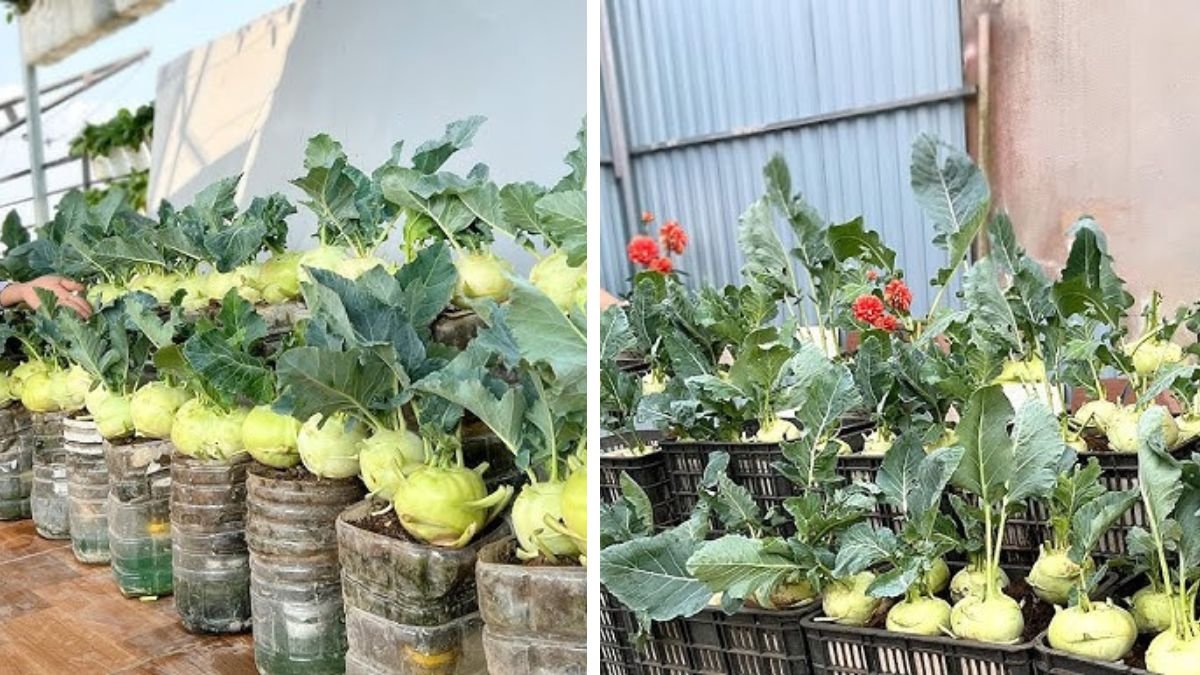
Introduction to Wall-Grown Kohlrabi
Kohlrabi is a nutritious and fast-growing vegetable that many people believe requires open garden space. Surprisingly, it grows extremely well on vertical walls when managed correctly. Wall gardening allows maximum use of limited space. This method is ideal for apartments and urban homes. Kohlrabi adapts well to container and vertical systems. Growing it on walls improves airflow and light exposure. It also keeps plants clean and pest-free. This unbelievable method proves that walls can become productive gardens.
Why Kohlrabi Is Perfect for Vertical Gardening
Kohlrabi has a compact root system. It does not require deep soil. The plant grows outward rather than downward. This makes it ideal for wall planters. Vertical placement prevents water stagnation. Air circulation reduces disease. Sunlight reaches all sides evenly. These factors improve bulb size and quality.
Choosing the Right Kohlrabi Variety
Green and purple kohlrabi varieties grow well vertically. Early-maturing varieties give faster harvests. Compact hybrids are ideal for containers. Disease-resistant varieties reduce maintenance. Climate-appropriate selection ensures success. Choosing the right variety improves bulb uniformity. Healthy varieties grow consistently on walls.
Wall Structure and Support System
Strong wall racks or frames are required. Plastic pockets or small containers work best. Proper spacing ensures airflow. Containers must be lightweight. Secure attachment prevents accidents. Vertical alignment maximizes sunlight. Stability is essential for long-term growing.
Soil Mix for Wall-Grown Kohlrabi
Kohlrabi prefers loose, well-draining soil. A mix of garden soil, compost, and cocopeat works well. Vermicompost improves nutrient content. Light soil reduces root stress. Good drainage prevents rot. Healthy soil supports uniform bulb growth.
Planting Kohlrabi on the Wall
Seeds or seedlings can be used. Seedlings give faster results. Plant one per container. Avoid overcrowding. Keep the crown above soil level. Gentle watering helps establishment. Correct planting prevents deformities.
Sunlight Requirements
Kohlrabi needs four to six hours of sunlight. Morning sunlight is ideal. Wall direction matters. Avoid harsh afternoon sun. Even light improves bulb shape. Proper sunlight prevents spongy bulbs.
Watering Techniques
Vertical containers dry faster. Regular light watering is necessary. Avoid waterlogging. Drip or hand watering works well. Consistent moisture prevents cracking. Balanced watering ensures tender bulbs.
Feeding and Nutrition
Organic compost feeding every two weeks is sufficient. Excess nitrogen causes leafy growth. Balanced nutrients improve bulb size. Liquid compost tea works well. Proper feeding enhances taste and texture.
Managing Bulb Formation
Bulbs form above the soil surface. Avoid covering bulbs with soil. Proper spacing allows expansion. Bulbs grow uniformly when stress-free. Monitoring growth prevents woody texture.
Pest and Disease Prevention
Vertical placement reduces soil pests. Aphids may appear occasionally. Neem oil spray works effectively. Regular inspection prevents spread. Healthy plants resist disease naturally.
Pruning and Leaf Management
Remove damaged leaves regularly. Healthy leaves support bulb growth. Avoid excessive pruning. Proper leaf balance improves photosynthesis. Clean plants grow better.
Harvesting Kohlrabi
Harvest when bulbs reach tennis-ball size. Overgrown bulbs become woody. Use a sharp knife. Harvesting on time ensures sweetness. Regular harvesting improves quality.
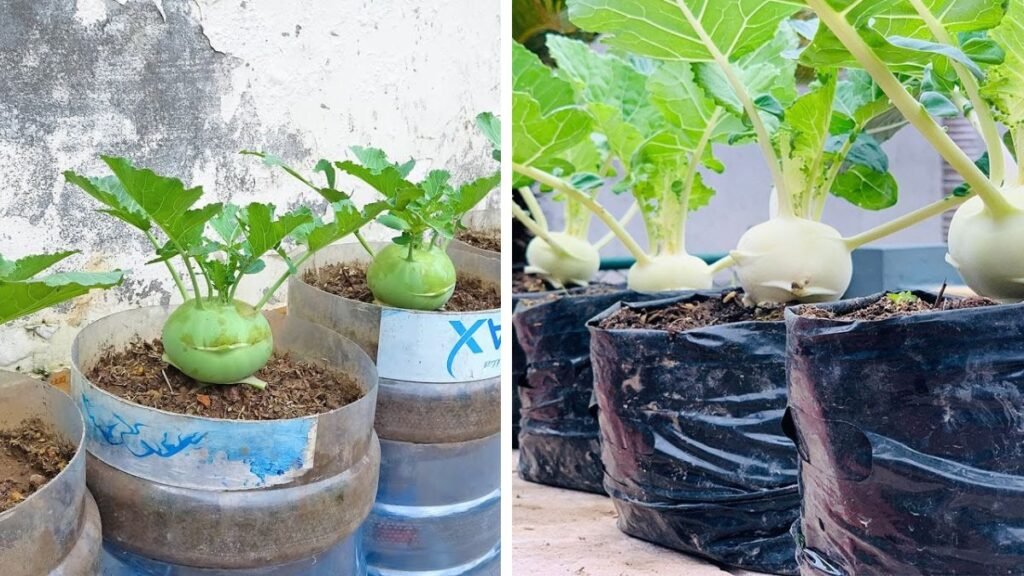
Yield Comparison Table
| Growing Method | Space Used | Bulb Quality | Pest Issues |
|---|---|---|---|
| Ground bed | High | Good | Moderate |
| Wall garden | Very low | Excellent | Low |
Benefits of Wall Gardening
Saves ground space. Improves airflow. Easy maintenance. Cleaner produce. Visually attractive. Ideal for urban homes.
Cost Effectiveness
Uses recycled containers. Minimal soil required. Low water consumption. Affordable setup. Long-term savings.
Ideal for Apartments
No backyard needed. Uses empty walls. Balcony friendly. Clean and organized gardening.
Scalability of the System
More containers can be added easily. Vertical expansion increases yield. Suitable for families. Flexible design.
Environmental Impact
Encourages local food production. Reduces food miles. Saves water. Promotes sustainable living.
Common Mistakes to Avoid
Overwatering causes rot. Overgrown bulbs lose quality. Poor sunlight reduces size. Avoid overcrowding.
Final Conclusion
Growing kohlrabi on a wall is an unbelievable yet highly effective gardening method. It proves that vertical space can produce nutritious vegetables. With proper care, anyone can harvest fresh kohlrabi from their walls. This method is efficient, eco-friendly, and perfect for modern homes.