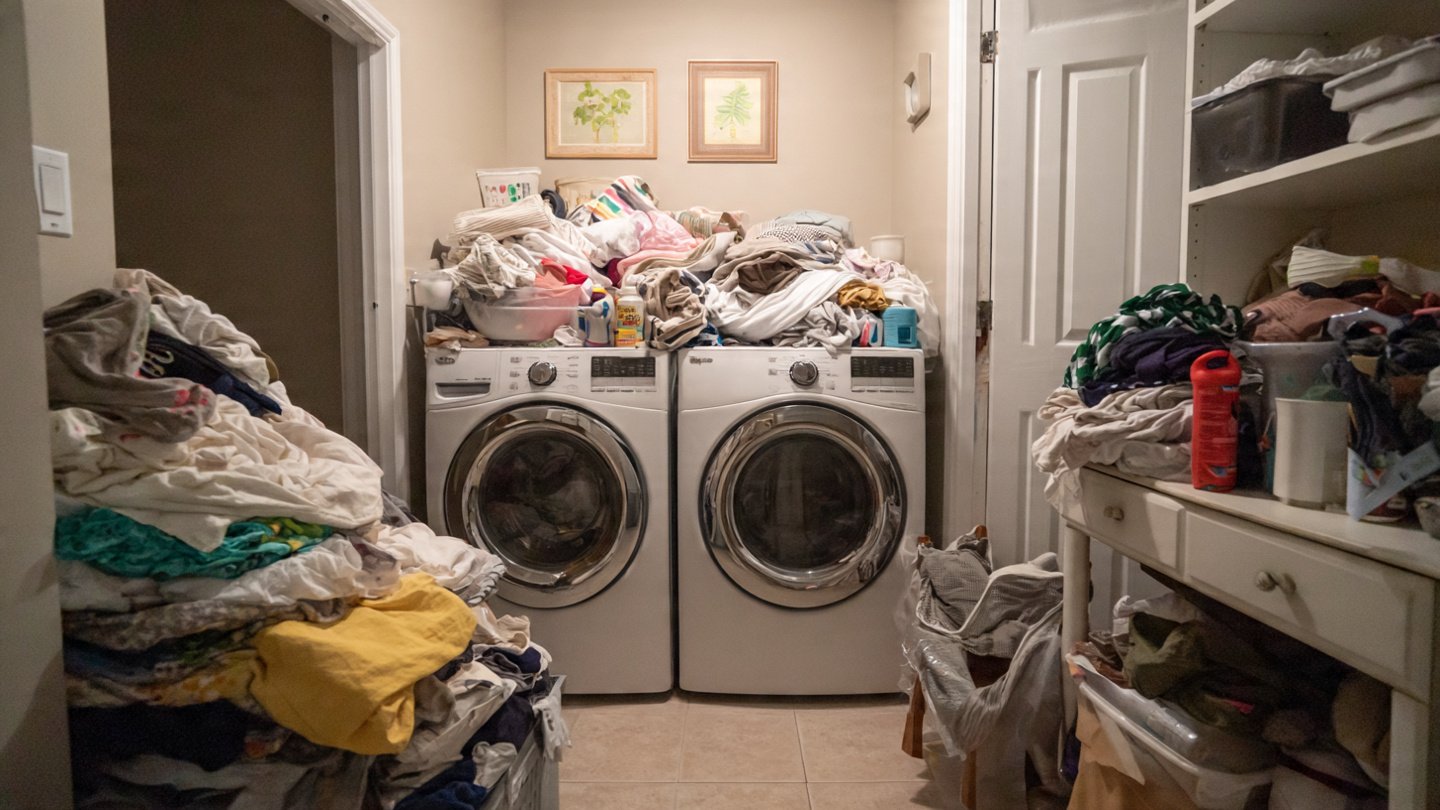
The sight of overflowing laundry baskets is a common occurrence in many households. Despite our best efforts to keep things organized, laundry tends to accumulate at a rapid pace. This phenomenon can be both baffling and frustrating, especially for busy families juggling work, school, and social activities. Understanding the reasons behind the rapid build-up of laundry can provide insights into effective management strategies.
Factors Contributing to Laundry Accumulation
1. Increased Wear and Tear on Clothing
With modern fashion trends encouraging the purchase of more clothing, many households engage in frequent outfit changes. This can lead to more laundry than ever before. Clothing is designed to be worn for various occasions, often resulting in a higher volume of soiled garments. The more clothes one owns, the more laundry there is to do.
2. Busy Lifestyles
In today’s fast-paced world, the average family often finds themselves juggling multiple tasks each day. Work obligations, school events, and extracurricular activities leave little time for household chores. As a result, laundry can quickly pile up, aggravating the feeling of chaos and disorganization in home life.
3. Psychological Factors
The mindsets we adopt regarding laundry can also impact accumulation levels. Some individuals may find the chore overwhelming, leading them to procrastinate. This avoidance can create a snowball effect, with laundry piling up to a point where it feels insurmountable. Establishing a positive attitude towards laundry is essential in managing its accumulation.
4. Lack of a Defined Routine
Without a regular laundry schedule, it becomes easy to fall behind. Setting aside specific days to do laundry can help combat the build-up. A defined routine not only makes the task seem less daunting but also instills a sense of discipline, making it easier to keep up with the workload.
5. The Impact of Seasonal Changes
Seasonal changes often bring alterations in wardrobe requirements, which can contribute to laundry accumulation. For instance, transitioning from winter to spring may require the washing of heavier garments and bedding. Additionally, holidays and special occasions can lead to increased clothing usage, further compounding laundry demands.
Strategies for Managing Laundry Volume
1. Implementing a Laundry Schedule
Creating a specific schedule for laundry can help maintain a manageable volume of clothes. Whether it’s designating a day for whites, colors, and delicates, a consistent routine allows individuals to divide chores into smaller, more manageable tasks. This can prevent the feeling of becoming overwhelmed.
2. Encouraging Family Participation
Getting the whole family involved can make laundry less of a burden. Assigning responsibilities based on age and capability can instill a sense of ownership and teamwork. For instance, children can help sort clothes or fold laundry, while older family members can manage washing and drying. This not only lightens the load but also teaches valuable life skills.
3. Optimizing Laundry Loads
It’s crucial to maximize the efficiency of each laundry load. Avoid half-loads, as this wastes energy and water. Instead, wait until there’s enough clothing to fill the drum appropriately. This can also reduce the number of trips to the laundry area and minimize the time spent on the chore overall.
4. Streamlining Wardrobe Choices
Consider simplifying your wardrobe by utilizing a capsule wardrobe approach. Fewer clothing items encourage more thoughtful choices about what to wear while reducing laundry demands. Aim to keep versatile pieces that can be mixed and matched. This not only helps keep laundry at bay but also reduces decision fatigue regarding outfit selection.
5. Adopting a Minimalist Lifestyle
Adopting a more minimalist lifestyle can also alleviate laundry accumulation. By decluttering clothing and other possessions, individuals can decrease the overall volume of laundry produced. Regularly inspecting and purging unused items can prevent laundry from getting out of hand and can promote mindfulness in consumption.
Incorporating Smart Home Technology
Technology has made strides in simplifying many household tasks, including laundry. Smart washing machines equipped with Wi-Fi connectivity can alert users when a load is done or even allow for remote operation. Utilizing such devices can streamline laundry processes, making them more efficient and less time-consuming.
Conclusion
The accumulation of laundry in homes is an inherent part of modern living. Factors such as busy lifestyles, increased clothing selections, and psychological challenges all contribute to the rapid build-up we see in our homes. However, by implementing structured routines, involving family members, and embracing simplicity in our wardrobes, managing laundry can become a less daunting task. As we adapt our lifestyles to better cope with modern challenges, it’s vital to remember that laundry is a shared responsibility, and developing efficient strategies can lead to a more harmonious home environment.
Frequently Asked Questions (FAQs)
1. Why does laundry accumulate so quickly in homes?
Many factors contribute to the rapid accumulation of laundry, including busy schedules, increased clothing purchases, and a lack of organizational routines. These elements can lead to a feeling of being overwhelmed by the volume of laundry needing attention.
2. How often should I do laundry to prevent accumulation?
It depends on your household size and lifestyle, but a good rule of thumb is to establish a regular schedule based on your family’s unique needs. For smaller households, doing laundry once a week may suffice, while larger families may find it beneficial to do laundry several times a week.
3. What can I do if I feel overwhelmed by my laundry?
Breaking the task into smaller segments can help you manage any feelings of overwhelm. Start with a single load, create a schedule, involve family members, and gradually work towards a manageable routine.
4. Is it better to do smaller loads of laundry?
While smaller loads can help prevent overloading the machine, doing laundry more frequently may lead to wasting water and energy. Aim to balance efficiency with convenience by waiting until there’s a full load for better resource management.
5. How can technology help with laundry management?
Smart appliances can offer features like cycle alerts, remote operation, and energy efficiency settings, streamlining the laundry process. Check for machines that integrate with home automation systems to help simplify your laundry day.