Introduction
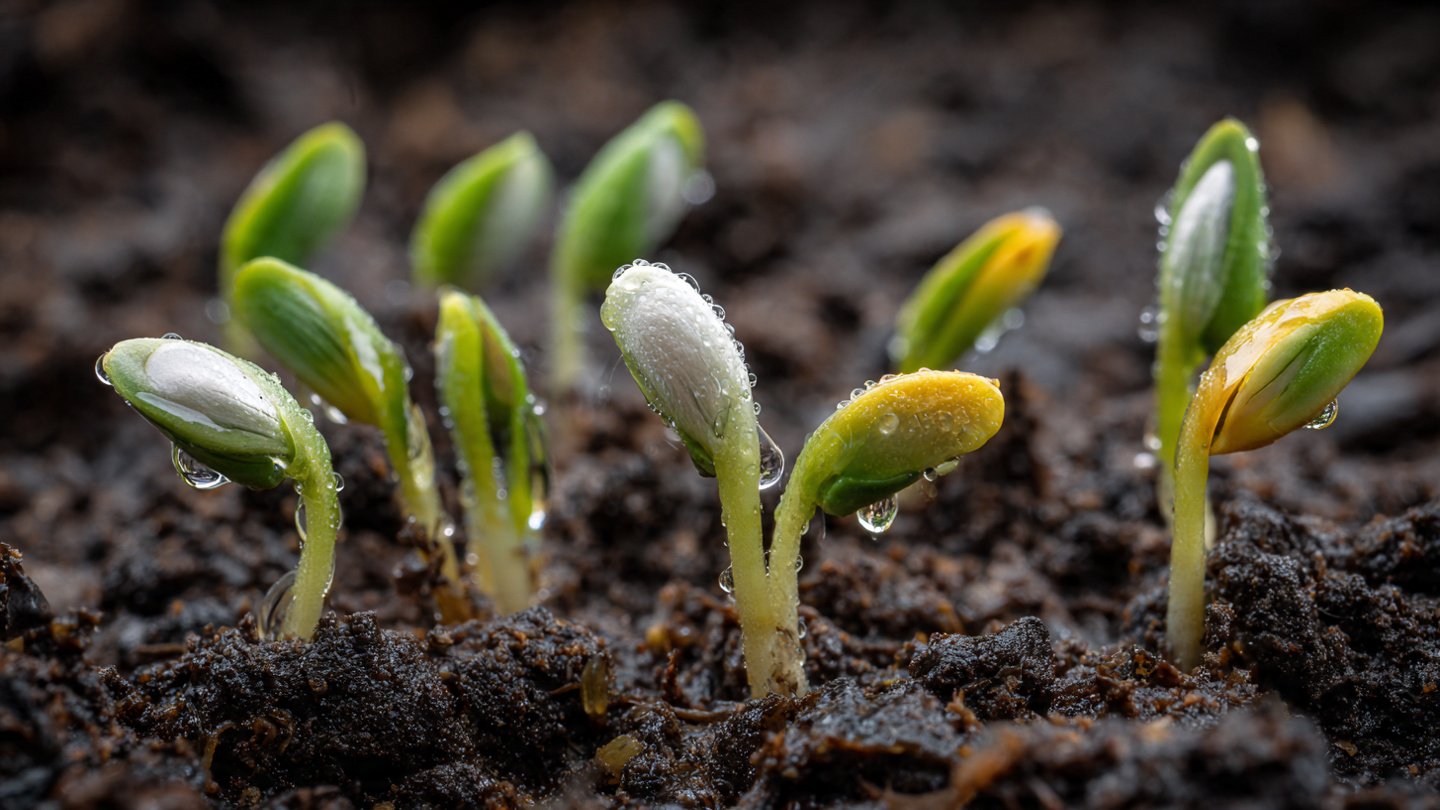
Seed placement is a critical factor in the successful germination and establishment of plants. An incorrect sowing depth or spacing can create significant discrepancies in germination times. As gardeners, farmers, or horticulturalists, understanding these nuances can vastly improve the efficiency of crop production and the overall health of plants. This article explores how seed placement errors affect germination times, offering insights into best practices for optimizing plant growth.
Understanding Seed Germination
Before delving into placement errors, it’s essential to understand the seed germination process itself. Germination is the emergence of a seed from dormancy and its transition into a seedling. This process requires specific conditions, including moisture, temperature, and oxygen. Seeds absorb water, swell, and break through their outer coating, a process that can take a few days to several weeks, depending on the plant species and environmental conditions.
Factors Impacting Germination
Germination is influenced by various factors, including:
- Moisture: Adequate water is necessary for the seed to activate germination enzymes.
- Temperature: Different seeds have specific temperature preferences to trigger germination.
- Soil Quality: Nutrient-rich soil promotes healthy growth post-germination.
- Light: Some seeds require light to germinate, while others prefer darkness.
Among these factors, the placement of seeds regarding depth and spacing can significantly influence how these elements interact with the seeds.
Types of Seed Placement Errors
Seed placement errors can generally be categorized into two types: depth errors and spacing errors.
1. Depth Errors
Planting seeds too deep or too shallow can lead to significant germination issues. Each seed type has an optimal depth for germination:
- Too Deep: Seeds planted too deep may struggle to break through the soil surface due to insufficient energy reserves, which can delay or even prevent germination.
- Too Shallow: Seeds that are sown too superficially can dry out or be unprotected from environmental stresses such as wind or rain, which can wash them away.
2. Spacing Errors
The proper spacing between seeds is crucial for minimizing competition for resources. Incorrect spacing can lead to:
- Crowding: Seeds positioned too closely may compete for sunlight, water, and nutrients, leading to weaker plants and extended germination times as they struggle for survival.
- Isolation: Seeds spaced too far apart can experience microenvironmental variations, such as differences in moisture or temperature, further affecting their germination rates.
Impact on Germination Times
Seed placement errors can significantly alter germination times. Below are key ways these errors can manifest:
1. Delayed Germination
When seeds encounter incorrect placement, they often experience delayed germination. For instance, seeds that are too deep may take longer to emerge, as they must exert more energy to break through the soil. Research indicates that germination can be delayed by several days or even weeks in cases where seeds are improperly placed.
2. Inconsistent Germination Rates
Seeds that are poorly spaced can lead to inconsistent germination. While some seeds may thrive, others may fail to germinate due to competition or environmental factors affecting only certain areas of the growing medium. This inconsistency results in uneven crop stands and can complicate subsequent cultural practices.
3. Increased Vulnerability
Seeds that are subjected to improper placement may be more susceptible to pests and diseases during the germination period. If seeds are too close together, early emergence of some plants can lead to an increased chance of fungal infections, adversely impacting overall plant health.
Best Practices for Seed Placement
To mitigate the impacts of seed placement errors, the following best practices are recommended:
- Research Optimal Depth and Spacing: Each seed type has specific guidelines for planting depth and spacing. Adhering to these recommendations is crucial.
- Use a Seed Drill or Planter: Utilizing a seed drill can help ensure precise placement and spacing of seeds, minimizing human error.
- Conduct Soil Tests: Understanding soil quality can inform the best planting techniques, including adjustments for optimal seed placement.
- Monitor Environmental Conditions: Keeping track of soil moisture and temperature can help in determining the best time to plant seeds.
Conclusion
Understanding how seed placement errors affect germination times is vital for successful plant cultivation. Whether it involves the depth at which seeds are sown or the spacing between them, even small mistakes can lead to significant consequences. By practicing optimal seed placement and adhering to specific guidelines, gardeners and farmers can enhance germination rates, promote healthy plant growth, and ultimately increase crop yields. Focusing on these finer points ensures that every seed has the best chance for development, allowing for vibrant, thriving gardens and farms.
Frequently Asked Questions (FAQs)
1. What is the best depth for planting seeds?
The optimal depth varies by seed type but generally falls between 1 to 2 times the diameter of the seed. Always refer to specific guidelines for each plant species.
2. Can I plant seeds closer together if I plan to thin them later?
While some gardeners choose to plant seeds closer together initially, this may stress the plants and result in inconsistent germination. It’s better to follow recommended spacing guidelines from the outset.
3. How can I tell if seeds are planted too deep?
If you observe that seeds have not germinated within their typical time frame, it may indicate they were planted too deep. Check soil depth and adjust as needed next planting season.
4. What environmental factors should I monitor when planting?
Important factors include soil moisture, temperature, and light conditions. Keeping an eye on these elements will support optimal germination and plant growth.
5. Are there any tools to assist in proper seed placement?
Yes, seed drills, planting trays, and adjustable seeders can help maintain the correct depth and spacing, minimizing errors during the planting process.