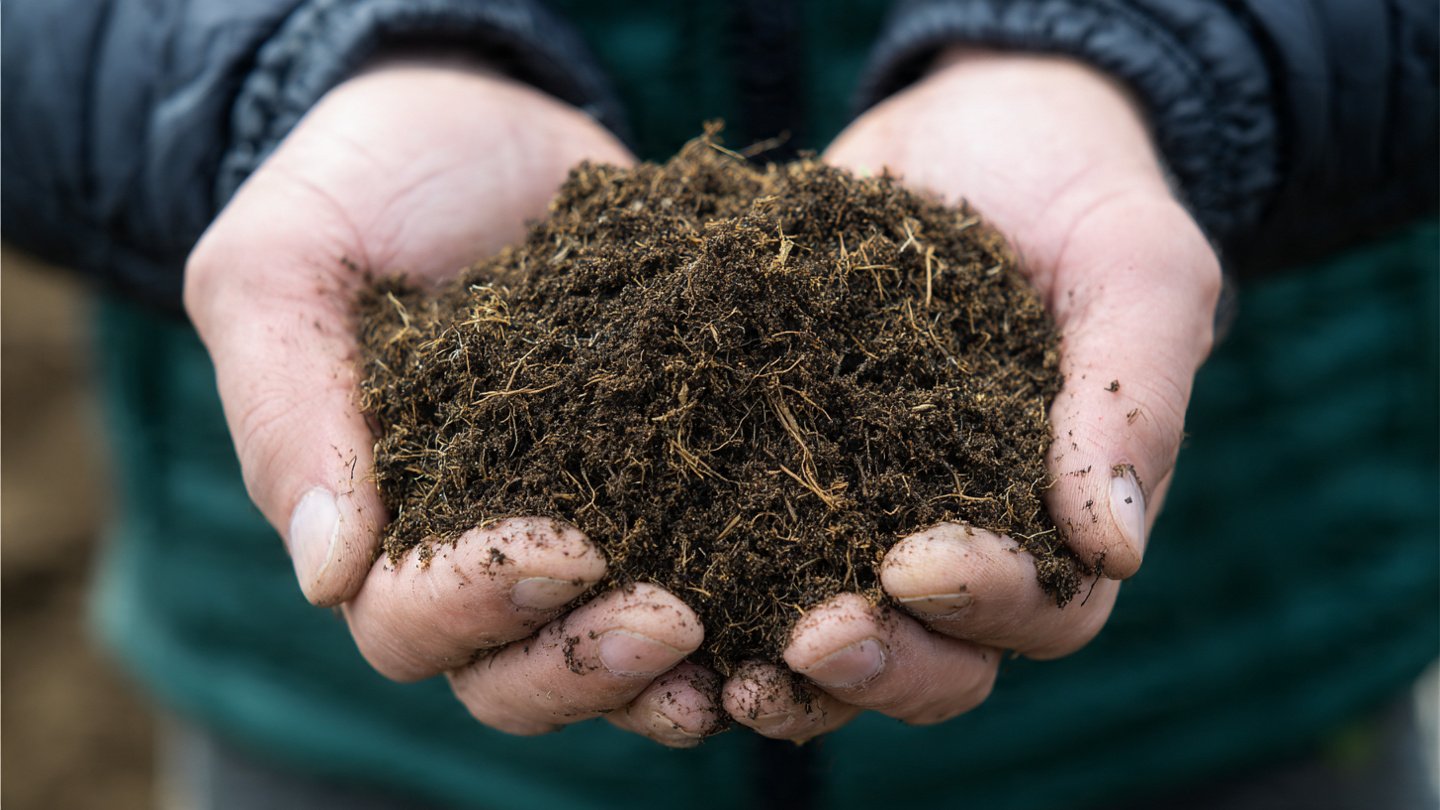
Compost is often hailed as “black gold” in the world of gardening and agriculture due to its numerous benefits for soil health. It enriches the soil with organic matter, improves nutrient availability, enhances soil structure, and fosters a thriving ecosystem of microorganisms. However, when compost dries out completely, its beneficial effects can diminish significantly. This article explores the various implications of completely dried out compost on soil health, the underlying biological and chemical processes involved, and practical strategies for mitigation.
Understanding Compost and Its Role in Soil Health
Compost is the product of decomposed organic matter, a result of the combined action of microorganisms, moisture, temperature, and aeration. The primary components of compost include green materials (nitrogen-rich) and brown materials (carbon-rich), such as leaves, kitchen scraps, and yard waste. The decomposition process transforms these organic materials into a stable product rich in nutrients, beneficial microorganisms, and humus.
Key Benefits of Compost:
- Nutrient Supply: Compost is a source of essential nutrients for plants—nitrogen, phosphorus, potassium, calcium, magnesium, and sulfur.
- Soil Structure Improvement: The addition of compost helps improve soil structure, leading to better aeration and water retention.
- Microbial Activity Boost: Compost serves as a habitat for beneficial microorganisms that aid in nutrient cycling and disease suppression.
- pH Buffering: Compost can help stabilize soil pH, contributing to a more balanced soil environment.
- Organic Matter Enhancement: Compost increases organic matter content in soil, improving its overall health and resilience.
What Happens When Compost Dries Out?
When compost dries out completely, it undergoes several transformations that can adversely affect its functionality in the soil. Understanding these implications involves examining the physical, chemical, and biological dimensions of soil health.
1. Loss of Microbial Activity
One of the most severe consequences of completely dried out compost is the reduction of microbial activity. Moisture is crucial for microorganisms that play vital roles in decomposition and nutrient cycling. When compost dries out, microorganisms, including bacteria, fungi, and protozoa, enter a dormant or inactive state:
- Dormancy: Drought conditions reduce the metabolic activity of microbes, limiting their ability to break down organic material and release nutrients.
- Diversity Loss: A reduction in moisture can lead to a decrease in microbial diversity, as more specialized species perish or enter dormancy.
2. Nutrient Lock-Up
Dried out compost might result in nutrient “lock-up.” Nutrient lock-up refers to a situation where essential nutrients become unavailable to plants despite their presence in the soil.
- Phosphorus Availability: For instance, the drying and rewetting cycle can cause phosphorus to bind tightly to soil particles or organic matter, rendering it less accessible to plants.
- Nitrogen Loss: Additionally, nitrogen in a dried-out compost can volatilize as ammonia gas, especially if the compost is rich in nitrogen but low in carbon.
3. Soil Structure Compromise
Compost enhances soil structure by promoting aggregation and improving porosity. However, completely dried out compost can compact and become water-repellent, undermining these benefits:
- Compaction: The absence of moisture leads to compaction, eliminating air pockets in the soil that are crucial for root growth and microbial activity.
- Water Repellency: Dried compost may create a barrier that prevents water infiltration. This results in surface runoff rather than absorption, leading to erosion and nutrient loss.
4. Reducing Organic Matter Benefits
Organic matter is essential for various soil functions, such as moisture retention, nutrient holding capacity, and microbial habitat. When compost is entirely dried out, its organic matter composition changes:
- Decomposition of Organic Material: The organic matter in dried compost can oxidize, losing its biological vitality and oxygen-rich structure.
- Absence of Humus Formation: The dried-out compost’s ability to form humus diminishes. Humus is a stable form of organic matter that enriches soil over time.
5. Alteration of Soil pH
Completely dried compost may impact soil pH levels. While well-managed compost maintains a balanced pH, completely desiccated compost can lead to alterations:
- Increased Acidity: If compost contains high levels of acidic materials and dries out, it may release organic acids, bringing about localized soil acidification.
- Imbalanced Nutrients: Changes in pH can affect nutrient solubility and the overall availability of micronutrients, essential for plant health.
Practical Strategies for Mitigating Dried-Out Compost Effects
To ensure compost retains its benefits for soil health, gardeners and farmers must adopt effective practices:
1. Maintaining Adequate Moisture
Moisture content is crucial for keeping compost functioning effectively:
- Monitoring Moisture: Regularly check compost moisture levels. The ideal moisture content is roughly 40-60%. A good test is to squeeze a handful; it should feel moist but not drip water.
- Watering Techniques: If compost becomes too dry, gently water it to restore moisture without saturating it. Ensure that moisture reaches the core of the compost pile.
2. Utilizing Compost Covers
Covering compost piles with tarps, straw, or other materials can shield them from drying out:
- Shade Protection: Shade helps maintain moisture and cools the compost pile during hot weather.
- Water Retention: Covers can reduce evaporation and retain moisture, crucial during dry periods.
3. Incorporating Wet Ingredients
When preparing compost, it’s essential to balance green and brown materials:
- Adding Wet Materials: Incorporating wet kitchen scraps, such as vegetable peels, can help maintain moisture levels.
- Balancing Carbon to Nitrogen Ratio: Aim for a carbon-to-nitrogen (C:N) ratio of 25-30:1 to optimize microbial activity and moisture retention.
4. Regular Turning
Regularly turning compost aids in aeration and moisture distribution:
- Aeration Benefits: Turning frequently allows for even moisture mixing and oxygenation, preventing dry spots.
- Temperature Regulation: Turning helps maintain an optimal temperature for microbial activity, improving decomposition rates.
5. Compost Preservation Techniques
To further reduce the risk of drying out compost, consider preserving techniques:
- Compost Tea: Use compost tea, a liquid fertilizer made by steeping compost in water, to nourish plants while preserving some nutrients.
- Layering: When applying compost to soil, layering it with mulch can protect against moisture loss and improve soil microhabitats.
Conclusion
The role of compost in maintaining soil health is paramount. Completely dried out compost can have detrimental effects on microbial activity, nutrient availability, soil structure, and organic matter benefits. By understanding and addressing these issues, gardeners and farmers can ensure their compost remains a valuable asset to soil health. Through effective moisture management, layering, monitoring, and preservation techniques, the beneficial qualities of compost can be maximized, fostering resilient and productive soil ecosystems. Thus, striking the right balance between compost application and environmental conditions is crucial for nurturing healthy soils, promoting sustainability, and equipping plants to thrive in their habitats.