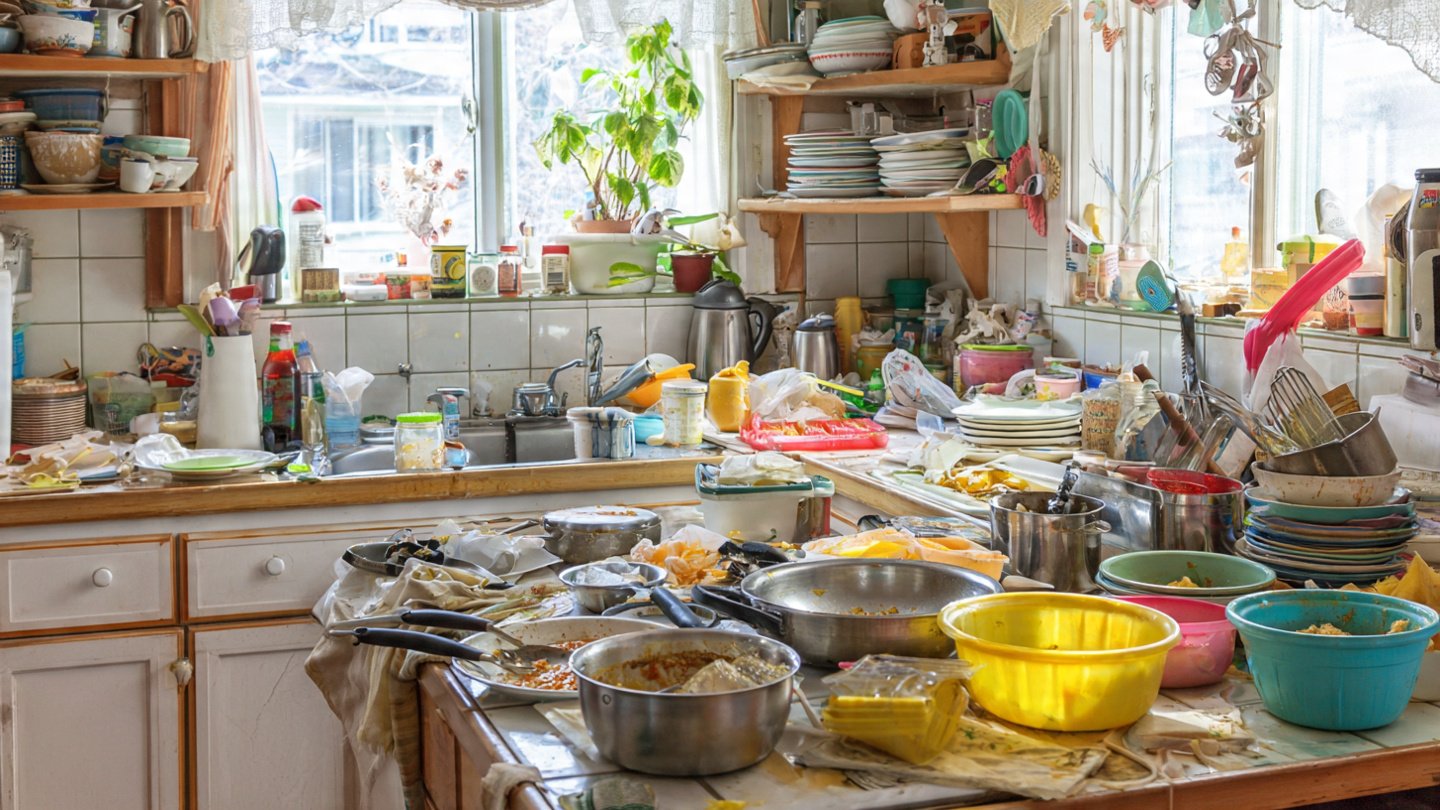
Cooking is an art, a science, and a way to express love for friends and family. However, for many people, the joy of cooking is often overshadowed by a sense of clutter and chaos in the kitchen. If you’ve ever felt overwhelmed or frustrated while preparing a meal, you’re not alone. Understanding why your kitchen feels cluttered when cooking is the first step in creating a more organized and enjoyable cooking space.
The Psychological Impact of Clutter
1. The Visual Overload
A cluttered kitchen presents a visual overload that can be distracting. When you walk into a disorganized space, your brain struggles to focus on the task at hand. Studies suggest that an untidy environment can lead to decreased productivity and increased stress levels. When cooking, your mind should be on ingredient preparation, cooking times, and flavors, not on the stack of dishes piling up in the sink or the disarray of pots and utensils nearby.
2. Cognitive Load
Cognitive load refers to the amount of working memory being used in the brain. A cluttered kitchen increases this load, making it harder to think clearly. When surrounded by numerous items, you may find it difficult to locate essential tools and ingredients, leading to frustration and diminished enthusiasm for cooking. A streamlined environment can help reduce cognitive load, allowing you to concentrate better on your culinary creations.
3. Emotional Responses to Clutter
Many people have emotional connections to their kitchens; it’s often a space filled with memories of family dinners and gatherings. If this space is cluttered, it might evoke negative feelings, such as anxiety or guilt. You might feel like you’re not meeting societal expectations of what a “good” kitchen should look like, leading to stress rather than relaxation and creativity.
Understanding the Sources of Clutter
1. Insufficient Storage Solutions
One of the primary reasons a kitchen feels cluttered is the lack of sufficient storage solutions. When cabinets are full or inadequate, it becomes challenging to find space for new items. Each time you open a cabinet, cascading items may fall out, resulting in an overwhelming mess that feels impossible to manage.
2. Overabundance of Tools and Appliances
Kitchens often attract a variety of tools, gadgets, and appliances that promise to make cooking easier. However, over time, these items can accumulate without being used. A blender that hasn’t seen the light of day in years or a pan that doesn’t suit your cooking style can contribute to the clutter. As a result, these unused items take up valuable space and create an unsettling environment.
3. Poor Organization
Even a well-stocked kitchen can feel cluttered if items are poorly organized. Having pots and pans scattered across different shelves or ingredients stored haphazardly can inhibit your ability to find what you need quickly. It’s not just about having the right tools but also knowing where and how to access them efficiently.
Strategies to Combat Kitchen Clutter
Understanding why your kitchen feels cluttered is a great first step, but tackling the problem requires actionable strategies. Here are several ways to reclaim order in your cooking space:
1. Evaluate Your Kitchen Layout
Assessing the layout of your kitchen can help identify areas that contribute to clutter. Ensure that frequently used items are within easy reach. For instance, pots and pans should be stored near the stove, while prep surfaces should be clear of unnecessary tools.
2. Declutter Regularly
Set aside time to declutter your kitchen periodically. Consider adopting the “one in, one out” rule: for every new item brought into the kitchen, an old one should be removed. When organizing, sort items into categories: keep, donate, or discard. This approach helps clear out items that no longer serve a purpose in your cooking routine.
3. Invest in Smart Storage Solutions
Utilize creative storage solutions to maximize space. Consider drawer dividers for utensils, magnetic strips for knives, or tiered shelving for spices. Use clear containers for pantry items to make them easily visible and accessible. Investing in a pot rack can also lend more space to cupboards while making pots visually appealing.
4. Organize Your Work Surfaces
A clear countertop is essential. Dedicate one area for food preparation and keep it free from miscellaneous items. Consider using hooks or wall-mounted shelves to store tools and gadgets, allowing you to access them without cluttering your work surface.
5. Create a Cleaning Routine
Establish a cleaning routine that involves tidying up as you cook. This practice not only prevents mess accumulation during meal prep but also makes the post-cooking clean-up less daunting. Wipe surfaces, wash dishes, and put items away as you go.
The Benefits of a Clear Kitchen
Having a clutter-free kitchen extends beyond aesthetics; it can enhance your cooking experience and elevate your overall well-being.
1. Increased Productivity
A well-organized kitchen promotes efficiency. When you can easily locate tools and ingredients, you save time during meal preparation. This newfound efficiency can make cooking less of a chore and more of a pleasure.
2. Enhanced Creativity
A clutter-free environment fosters creativity. Without the distraction of excess clutter, you might find it easier to experiment with new recipes and flavors. Increased mental clarity allows your culinary spirit to flourish.
3. Stress Reduction
Cooking should be a soothing and enjoyable experience. A tidy environment can help reduce stress, allowing you to enjoy the process rather than feel overwhelmed.
4. Healthier Eating Habits
A clean and organized kitchen encourages healthier eating habits. When you have everything at hand, you’re more likely to cook fresh meals rather than opt for takeout or processed foods.
5. Improved Family Interaction
An organized kitchen can also promote quality family time. When the cooking space is inviting and clutter-free, it becomes a gathering place for family members to interact, cook, and bond.
Final Thoughts
Understanding why your kitchen feels cluttered when cooking is essential for transforming it into a space of culinary creativity and enjoyment. By addressing the psychological impacts of clutter, identifying its sources, and implementing practical strategies, you can reclaim your kitchen and turn it into an organized haven.
Embrace the process—decluttering is a journey, not a destination. Celebrate the small victories along the way, and soon your kitchen will feel less like a chaotic battlefield and more like the heart of your home. Cooking can once again become a joyful experience, filled with love, creativity, and delicious results.