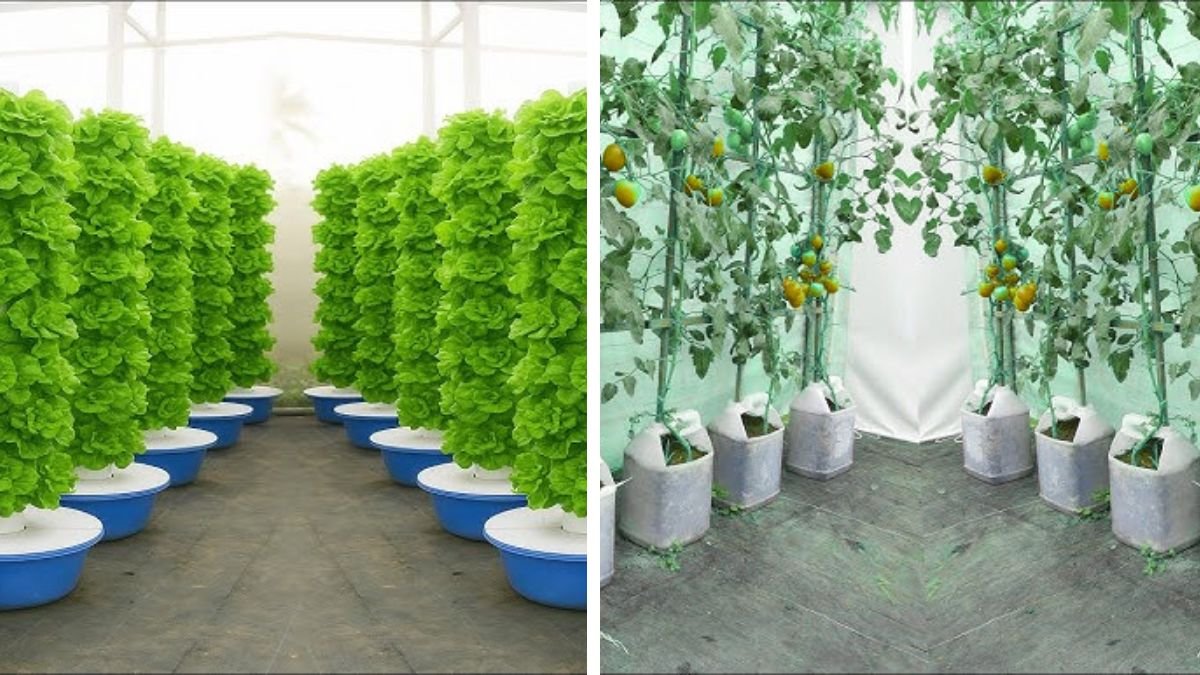
Introduction to Soil-Free Vegetable Growing
Growing vegetables without soil may sound impossible, but modern home gardening has proven otherwise. Recycling cake boxes as growing containers opens a new world of eco-friendly gardening. This method is perfect for people living in flats, hostels, or rented homes. Cake boxes are lightweight, easy to find, and reusable. They help reduce plastic waste while growing fresh food. This soil-free technique uses water and nutrients efficiently. Anyone can start without prior experience. It is an excellent solution for urban gardeners.
Why Cake Boxes Are Perfect for Gardening
Cake boxes are made of sturdy plastic or cardboard-coated material. They retain moisture well and are easy to handle. Their shape allows easy root spread. Transparent lids help monitor plant growth. Drainage holes can be added easily. Cake boxes are portable and stackable. This makes them ideal for small spaces. Recycling them reduces environmental pollution.
Understanding Soil-Free Growing Methods
Soil-free growing relies on water, nutrients, and air. Plants absorb nutrients directly from water. This improves growth speed and efficiency. Roots receive more oxygen. Diseases from soil are eliminated. Growth becomes cleaner and healthier. This method is beginner-friendly. Maintenance is easier than traditional gardening.
Materials Required for Cake Box Gardening
Used cake boxes are the main container. Cocopeat or sponge replaces soil. Liquid organic nutrients feed plants. Net cups support roots. Cotton cloth helps water absorption. A small cutter makes holes. These simple materials are affordable. Most items are easily available at home.
Preparing Cake Boxes for Planting
Clean cake boxes thoroughly. Make small drainage holes at the bottom. Cut holes on the lid for plant placement. Place a cotton strip through holes. Fill the box with water and nutrients. This setup ensures constant moisture. Proper preparation prevents root rot.
Choosing Vegetables for Soil-Free Growth
Leafy vegetables grow best. Spinach grows fast and healthy. Lettuce performs exceptionally well. Fenugreek thrives without soil. Basil and mint grow beautifully. Avoid root vegetables initially. Choose fast-growing varieties. This ensures early success.
Planting Seeds Without Soil
Seeds are placed in cocopeat or sponge. Keep them moist but not soaked. Germination occurs quickly. Roots grow downward toward water. Leaves grow upward toward light. This method speeds up growth. Proper spacing prevents overcrowding.
Water and Nutrient Management
Water is the lifeline of soil-free gardening. Nutrient solution must be balanced. Change water every seven days. Avoid stagnant water. Use organic liquid fertilizer. Correct nutrition boosts leaf growth. Healthy feeding prevents yellowing.
Sunlight Requirements
Plants need four to six hours of sunlight. Place boxes near windows or balconies. Avoid harsh afternoon sun. Rotate boxes for even exposure. Light improves leaf color. Insufficient light causes weak plants.
Maintaining Oxygen for Roots
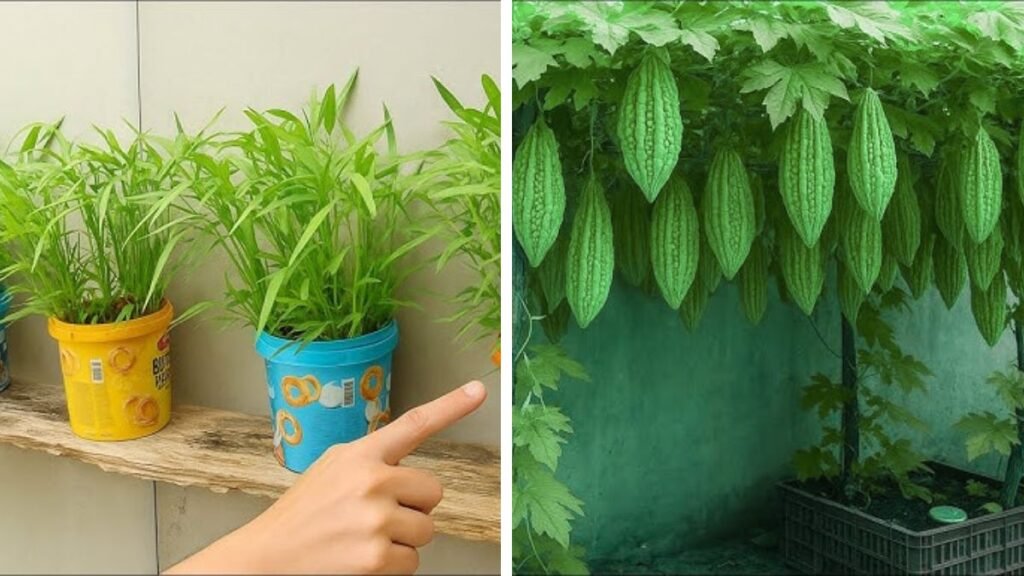
Roots need oxygen to breathe. Do not overfill water. Leave air space inside the box. Change water regularly. Oxygen improves nutrient absorption. Healthy roots ensure fast growth.
Pest-Free Gardening Advantage
Soil-free gardening avoids soil pests. Fungal diseases are reduced. Insects are minimal. Clean containers discourage pests. Healthy plants resist diseases naturally.
Harvesting Vegetables
Leafy vegetables can be harvested early. Cut outer leaves first. This promotes regrowth. Regular harvesting increases yield. Fresh harvest tastes better. Homegrown greens are chemical-free.
Common Mistakes to Avoid
Overfeeding nutrients damages roots. Poor sunlight slows growth. Dirty containers cause disease. Overcrowding reduces airflow. Avoid these for success.
Growth Comparison Table
| Aspect | Soil Gardening | Cake Box Method |
|---|---|---|
| Space | Large area needed | Minimal space |
| Water use | High | Low |
| Pest issues | Common | Rare |
| Growth speed | Moderate | Fast |
Environmental Benefits
Reuses waste materials. Reduces plastic pollution. Saves water. Encourages sustainable living. Promotes eco-friendly habits.
Cost Effectiveness
Minimal investment required. No soil purchase needed. Recycled boxes reduce cost. Ideal for beginners. Affordable gardening method.
Ideal for Urban Homes
Perfect for apartments. Fits balconies and windowsills. No mess or mud. Clean and organized gardening solution.
Scalability of the Method
Multiple boxes can be stacked. Vertical arrangement increases yield. Easy to expand. Suitable for family needs.
Long-Term Sustainability
Low maintenance required. Easy nutrient management. Reusable containers. Long-term productivity ensured.
Final Conclusion
Recycling cake boxes for soil-free vegetable gardening is a smart, eco-friendly idea. It saves space, reduces waste, and produces fresh food. Anyone can start easily at home. This innovative method proves gardening is possible anywhere.