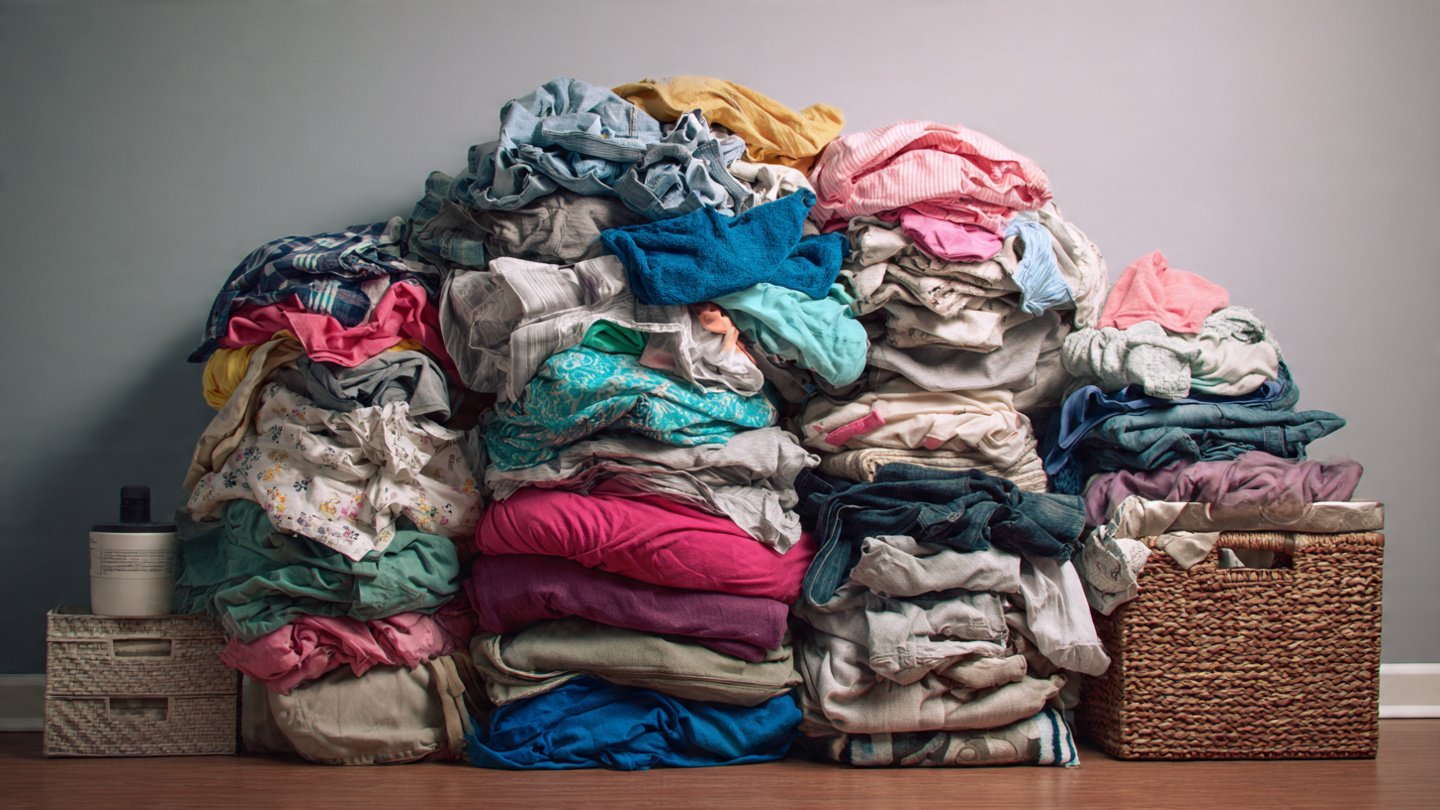
Many of us have experienced the overwhelming sight of unexpected laundry piles forming in our homes. These laundry mountains can appear seemingly out of nowhere, creating a sense of chaos amid our daily lives. But have you ever considered the surprising reasons behind these burgeoning textile towers? This article delves into unexpected causes of laundry piles, dissecting the routines, habits, and even psychological factors that contribute to this universal issue.
1. The Invisible Laundry Cycle
Most households follow a laundry routine: wash, dry, fold, and store. However, the cycle often feels more like a loop thanks to the invisible laundry that accumulates over time. This cycle may go unnoticed when clothes are worn, used in other activities, or just placed in convenient spots instead of being returned to their proper places.
- Workout Clothes: Many people exercise regularly, yet they forget to wash their workout gear until it forms a separate pile.
- Seasonal Clothing: As seasons change, we tend to stuff away winter clothes in favor of summer attire. This can often lead to a forgotten stash of garments that require laundering.
- Children’s Clothing: Kids can be notorious for changing outfits multiple times a day, leading to an unexpected accumulation of their clothes.
2. Busy Lifestyles
In our fast-paced world, lives are often crammed with activities like work, social events, and family responsibilities. This hectic lifestyle can lead to a decrease in time dedicated to laundry, causing piles to build up. Here are examples of how busy schedules contribute:
- Multitasking: Trying to juggle various tasks at once often leads us to neglect laundry until it becomes an insurmountable task.
- Neglect: Individuals may prioritize other responsibilities over household chores, allowing laundry to pile up if it goes unnoticed.
- Lack of Awareness: When we’re overloaded, we might genuinely forget to check laundry hampers until it’s overflowing.
3. Procrastination
Procrastination is one of the most common reasons laundry piles up unexpectedly. It can creep in for various reasons, such as:
- Overwhelm: The sheer size of laundry piles can be intimidating, causing us to put off the task.
- Perceived Difficulty: Believing laundry is more difficult than it is can deter individuals from tackling the task promptly.
- Attention to Detail: Some may wait until they have a full load to wash, which can delay the laundry process, or they may feel overwhelmed by the thought of sorting and folding.
4. Changes in Family Dynamics
When families grow or evolve—due to new additions, kids growing up, or even relocating—laundry habits often shift without notice. Changes may include:
- New Family Members: Additional individuals in the household mean more clothes to wash, leading to unexpected piles.
- Growing Children: Older children tend to wear multiple outfits and require different clothes for various activities, adding to chaos.
- New Jobs or Hobbies: Starting a new job or hobby may require specialized clothing, which can increase laundry volume dramatically.
5. Household Management Styles
The way a household functions can impact laundry accumulation. Factors affecting this include:
- Inconsistent Routines: If everyone in the family follows different laundry routines or schedules, this inconsistency can lead to heaps of laundry.
- Lack of Organization: Having no designated spaces for dirty clothes can lead to them piling up in random locations around the house.
- Collaborative Challenges: Often, disagreements on laundry responsibilities can lead to unfinished tasks and growing piles.
6. Psychological Factors
Surprisingly, emotional and psychological factors can contribute to unexpected laundry piles. Some possibilities include:
- Stress: Increased stress levels can decrease motivation, making it hard to complete even simple household chores like laundry.
- Sentimental Value: Certain clothing items may evoke memories, making individuals reluctant to part with them, even when they remain unworn.
- Avoidance: For some, chores can be a reminder of other responsibilities or stressors, leading them to subconsciously avoid doing laundry altogether.
Conclusion
In conclusion, unexpected laundry piles can accumulate for a variety of surprising reasons. From the invisible laundry cycle and busy lifestyles to procrastination and changes in family dynamics, understanding these factors can empower individuals to tackle their laundry dilemmas more effectively. By gaining insight into the causes of laundry accumulation, we can develop strategies and routines to maintain our household balance, minimize stress, and keep those laundry piles at bay. Cleaning doesn’t have to be overwhelming; by breaking it down and addressing it piece by piece, we can reclaim our living spaces and focus on what truly matters in our busy lives.
FAQs
1. How can I better manage my laundry to prevent piles?
Consider establishing a consistent laundry schedule. Set aside certain days for specific tasks, such as washing, folding, and putting away clean clothes. Having designated hampers for different types of laundry can also make the process easier.
2. What if my family members don’t help with laundry?
Open communication is key. Make sure everyone understands their responsibilities and the importance of contributing to household chores. You might even create a chore chart to involve everyone.
3. How can I make laundry less overwhelming?
Breaking laundry into smaller, more manageable tasks can make it feel less daunting. For example, instead of waiting until you have a full load to wash, consider washing smaller loads regularly. Additionally, folding clothes immediately after drying can simplify the process.
4. Are there any strategies for dealing with kids’ laundry?
Involve children in their laundry responsibilities from a young age. Teach them how to sort their clothes and incorporate laundry into their routines. Setting up a rewards system can also motivate them to help.
5. What should I do if I have emotional attachments to certain clothes?
It’s important to acknowledge your feelings. Consider keeping a few sentimental items while donating or recycling the rest. Establishing boundaries, like a “memory box,” for special items can help manage both emotions and physical space.